
What the day feels like
Dawn doesn’t so much arrive in Nairobi as it slides in, soft and certain. The city stirs—buses breathe, matatus chatter—and then, within minutes, the skyline drops in the rearview mirror and grasslands take the lead. At the gate of Nairobi National Park, acacias stand like sentries, their umbrellas catching first light. The savanna exhales cool air that smells faintly of dust and morning. Somewhere in the distance, a lion issues a low, unhurried statement, as if reminding the day who’s in charge.
This is the paradox that makes Nairobi National Park so compelling: one of Africa’s most accessible wildlife sanctuaries—117 square kilometers of open plains, rolling bush, and pocket woodlands—set against the outline of a capital city. It’s the rare place where giraffes stride with high-rise silhouettes hovering behind them, and where a black rhino may emerge from the fever trees while planes climb overhead from Jomo Kenyatta International. Nature doesn’t seem to mind the juxtaposition; it keeps moving, keeps hunting, keeps grazing, asking you to sync your pace with its own.
The backstory reads like a conservation origin story. Established in 1946, Nairobi National Park was Kenya’s first national park, an early acknowledgment that wild spaces needed protection even as the city grew. Its southern boundary still opens toward the Athi-Kapiti plains—an unfenced migration corridor animals use seasonally—while other sides meet the city’s edge. That tension birthed a uniquely urban wilderness. The park’s most famous landmark, the Ivory Burning Site, is a solemn monument to Kenya’s 1989 torching of seized ivory, a symbolic act that helped shift global sentiment against poaching. Today, Kenya’s wildlife rangers patrol these roads with equal parts resolve and hospitality, and you feel their presence in the tidy tracks and posted reminders: stay on roads, let animals lead.
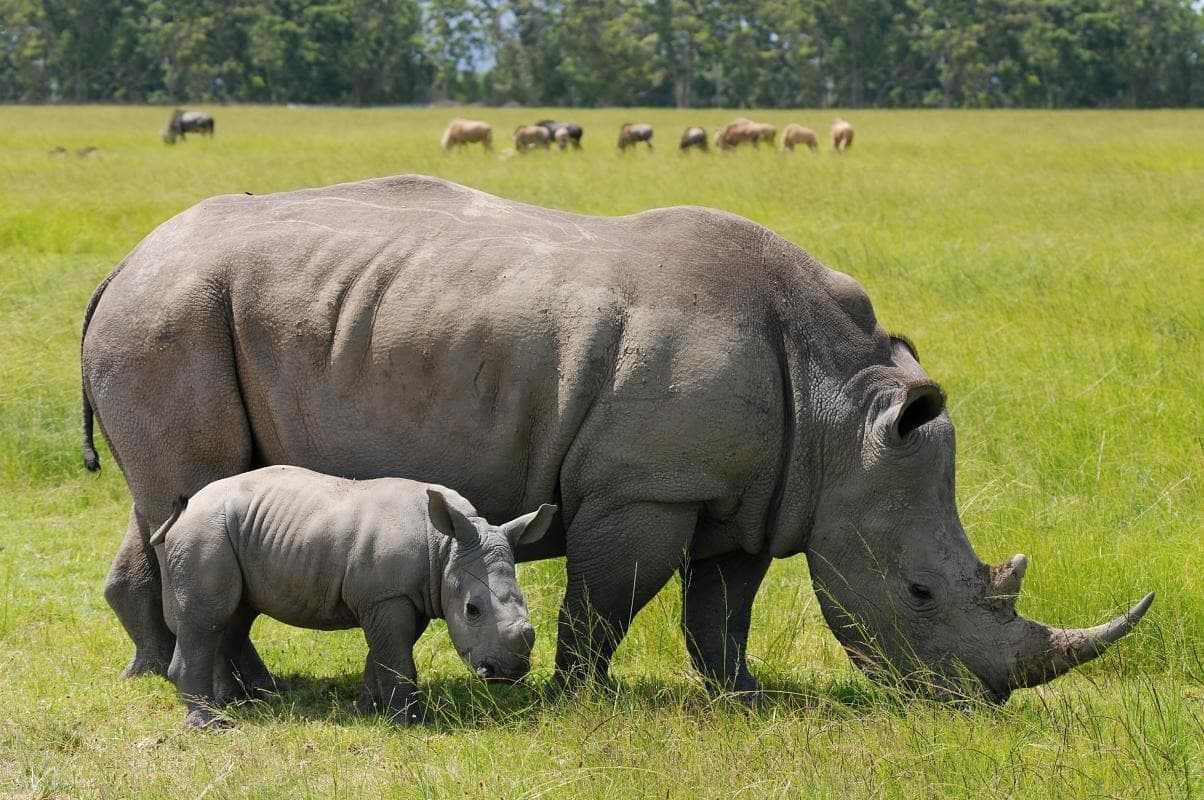
Geology and ecology here are deceptively simple—open grassland, acacia bush, riverine thickets along the Mbagathi River—yet the variety pulls a remarkable cast of animals. The park is known for its healthy black rhino population, as well as lions, buffalo, Masai giraffe, zebras in crisp stripes, and the elegant cheetah that prefers the park’s quieter stretches. Birders can count more than 400 species, from secretary birds striding like stern schoolmasters to glossy starlings that seem to pocket sunlight. It’s a place that moves on rhythms: late dry-season grazers fanning out across golden plains; wet-season bursts when the grass rises and the wind tugs at it like a playful sibling.
A game drive here is not a long-haul expedition; it’s neatly efficient—three to five hours can deliver a day’s worth of sightings. Start at first light. The cool air keeps predators active, and the grasslands whisper possibilities. Antelope tighten their herds with that subtle, nervous choreography prey know by heart. Hyrax on outcrops hold court. The Mbagathi River rudely insists on being noticed, its muddy bends hiding crocodiles and, often, a sullen hippo that appears only when it decides you’ve been patient enough. The park’s roads, mostly dirt and gravel, form a loose grid—Langata side to the east gate, Hippo Pools in the south, and the sweeping central plains where the city’s skyline performs its strange duet with the wild.
Guides read this landscape like a book with dog-eared pages. They’ll point out the tufted grass where a cheetah’s tail just flicked, or the fresh lion tracks crossing a damp patch after a night shuffle. Even when sightings are quiet, the park keeps you guessing. The wind plays favorites, bowing the red oat grass, hurrying birds, pushing you forward. And then something sudden: giraffes in a slow-motion parade; a jackal skittering across the road; a rhino asserting its width with stubborn certainty.
Culturally, the park threads into Nairobi life. You can spend a morning in the wild and be at a café in Karen by lunchtime. Weekend families come for short drives, seasoned photographers line up silhouettes against the skyline, and travelers with tight itineraries get a fully fledged safari without leaving the city. That accessibility also demands care. The park’s wildlife corridor southward is vital—zebra and wildebeest follow seasons here—and respecting that pathway means staying on designated tracks, keeping noise down, and letting the ecosystem breathe at its own pace.
Planning is straightforward. Gates typically open around 6 a.m. and close at dusk, with no night drives permitted. Purchase your Kenya Wildlife Service (KWS) entry in advance via the government eCitizen platform. A 4x4 is best in the rainy months when tracks soften, though in dry periods a sturdy 2WD can manage main roads. Bring binoculars, not bravado; animals have the right of way. Dress in neutral tones to blend in with the landscape, and carry water—sun and wind conspire to steal it from you. Most of all, be patient. In a place this close to the city, the bush still keeps its own schedule, and when it decides to show itself, it does so with authority.
If you have time, loop to the Hippo Pools for a short, supervised riverside walk when water levels allow. The Ivory Burning Site offers a sobering pause for reflection. And don’t overlook the park’s birdlife; even on a “quiet” big-game day, the air hums with lilac-breasted rollers, weavers, and raptors using thermals that rise like invisible staircases. The city may be a constant horizon reference, but inside the park the savanna writes the rules, urging you to slow down and listen to the grass.
When the sun edges higher and the heat takes command, the animals retreat to shade and you roll back toward the gate. Behind you, the plains resume their business. Ahead, Nairobi reappears—cafés, markets, the bright talk of a city in motion. The contrast is the point. Nairobi National Park is where wild and urban shake hands every day, a reminder that conservation doesn’t only happen far away; it thrives in the space between office towers and acacia trees, where lions still voice their morning opinions and the wind decides when it’s time to move on.
Trail wisdom
Small choices, better day.
Go at First Light
Arrive at the gate before sunrise for the best predator activity and cooler temperatures.
Bring Binoculars
A compact 8x–10x pair helps spot cats in grass and birds on distant perches.
Stay on Tracks
Driving off-road damages habitat and carries fines; animals will often come to you if you wait quietly.
Dress Neutral, Pack Light
Earth-tone clothing reduces disturbance; a hat and light long sleeves beat the equatorial sun.
Local knowledge
Read the place, not just the route.
Watch for native species including Black rhino, Masai giraffe.
Keep an eye out for wildlife during the transition between areas and habitats. Respect distance guidelines.
The park’s open southern boundary links to the Athi-Kapiti plains; staying on designated roads and minimizing noise helps protect migration routes and sensitive habitats.
Follow the guide's instructions on size limits, ethical handling, and leave-no-trace practices.
Ivory Burning Site Monument near the central plains. Hippo Pools walking area along the Mbagathi River (when conditions allow)
Locally recommended viewpoints and quiet spots known best to local operators.
Founded in 1946, Nairobi National Park is Kenya’s first national park and a pioneering urban-adjacent conservation area.
Maritime roots and regional tradition shape the waterways and working coasts.
Seasonal guide
Four versions of the same landscape.
Spring
Best forLush landscapes · Birdwatching
ChallengesLong rains (Mar–May) · Muddy tracks
The long rains green the plains and bring exceptional birdlife, though some roads can be slick and sightings more concealed by tall grass.
Summer
Best forDry-season game viewing · Cool mornings
ChallengesDust on tracks · Cool, windy dawns
June–August is dry and cool, concentrating wildlife near water and making sightings frequent and clear.
Fall
Best forShoulder-season serenity · Short-rains drama (Oct–Nov)
ChallengesIntermittent showers · Greening grass hides wildlife
Early fall is dry and productive; the short rains revive the park’s color and bring dynamic skies for photography.
Winter
Best forCrisp light · Excellent predator activity
ChallengesMidday heat (Dec–Feb) · Glare and heat haze
Hot, dry conditions favor morning and late-afternoon drives; plan around the midday lull and shimmering heat.
Pack with intention
What to bring.
Good to know
Common questions.
The main gates are about 7–10 miles (12–16 km) from the CBD—typically a 20–40 minute drive depending on traffic.
Plan the edges
The details that make the day easier.
Opened in 1946, Nairobi National Park is often cited as the only national park bordering a capital city, with black rhinos, lions, and over 400 bird species living within sight of Nairobi’s skyline.
Post-safari, head to The Carnivore on Langata Road for iconic Nairobi barbecue, or reserve a table at The Talisman in Karen for farm-to-fork East African fusion. Coffee lovers should try a flat white at Nairobi’s Artcaffé or spring for single-origin Kenyan pour-overs at Spring Valley Coffee. If time allows, pair your park visit with the nearby Giraffe Centre or the Karen Blixen Museum for a broader slice of Nairobi culture.
- Closest airport
- Jomo Kenyatta International (NBO). Main gate via Langata Road; 20–40 minutes from Nairobi CBD depending on traffic. Cell service: generally good near the city, patchy in southern sections. Permits: Kenya Wildlife Service entry via eCitizen; no night drives; park hours roughly 6 a.m.–6
Nairobi National Park anchors a critical wildlife corridor. Stay on marked roads, keep voices low, pack out all waste, and bring a reusable water bottle—Kenya bans single-use plastics in protected areas.
Explore by topic
Follow the threads.
Keep exploring
Make the story part of the trip.
Set out from Bass Harbor for a private, customizable day on Blue Hill Bay — lighthouses, puffins, seals, and the chance to feel Acadia from the water. Small groups, local captains, unforgettable views.
In four hours you can move from shaded canyon ferns to wind-scoured coastal ridgelines, guided by someone who knows where the light—and the hidden views—live. This private half-day hike on the Monterey Peninsula or Big Sur is compact, curated, and perfect for travelers who want depth without a multiday commitment.
 Related story
Beneath a sky of shifting light, Skaftafell’s ice reads like a map of time. This three-hour guided glacier hike mixes technical instruction with geology and culture: compact, safe, and unforgettable.