
What the day feels like
The ferry slips away from Central like a patient exhale, Hong Kong’s skyline shrinking until the city is only a memory of reflective glass and traffic noise. Ahead, Cheung Chau’s low silhouette—clustered roofs and a few green knolls—holds a different promise: a day that moves by foot, by bike, by tide. You step off the ferry into a web of alleys where laundry flaps over noodle shops and dingy fishing boats bob stern to pier. No cars here, only bikes, market chatter and the lapping of water, and that immediacy of island life makes Cheung Chau feel less like an attraction and more like a neighborhood you somehow always wanted to visit.
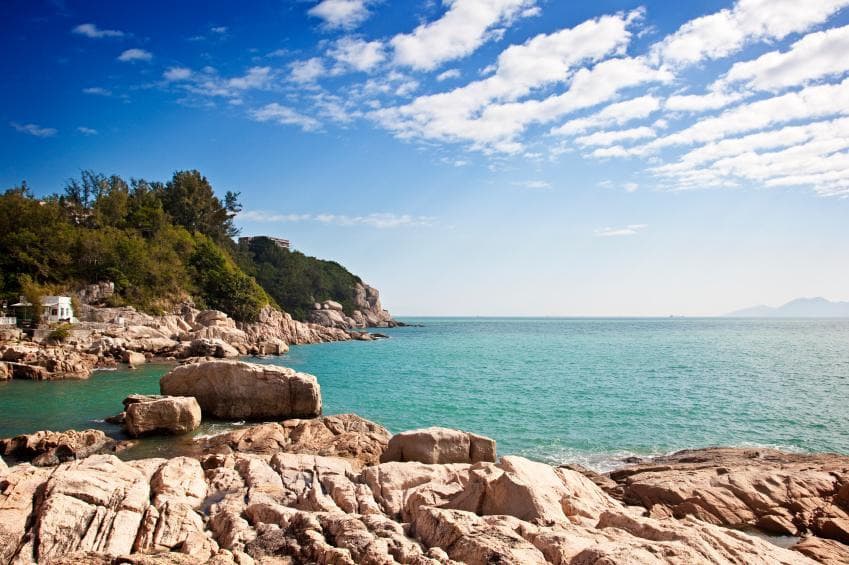
Walk a few minutes and you’re facing the island’s two moods: the compact village of Tung Wan Beach with its soft sand and swimmers, and the quieter, rockier west coast where jagged cliffs frame tide pools and the famous Cheung Po Tsai Cave—legendary lair of a 19th-century pirate—tugs at the imagination. Paths cut through low hills and orchards where banyan and pandanus shade the trail. The air smells of soy sauce and sea salt: dinner is never far from the day’s hiking plans.
History and culture here arrive without fanfare. Cheung Chau was a working fishing settlement long before it became a weekend escape for Hong Kong’s city-bound—its harbor still full of family-run boats that sell the day’s catch. The island’s most dramatic cultural event is the Cheung Chau Bun Festival, a raucous spring tradition centered on the Pak Tai Temple and a towering bun-covered tower that draws residents and visitors alike. The festival is a reminder that this place keeps its rituals close: community first, spectacle second.
Geology is subtle but present. The island is formed of volcanic rocks—coarse, dark lavas that become tide-sculpted platforms and sea cliffs along the west. Where the rocks meet the sea you’ll find pools that hold delicate marine life if you kneel and peer in. Trails are short and compact, marked by stone steps and switchbacks that rise only a few dozen meters before easing down to a headland. That compressed verticality makes Cheung Chau perfect for quick hikes with frequent rewards—views that frame Lantau and the faint silhouette of Hong Kong Island across the harbor.
For an active day, start with a morning ferry from Central (regular and fast ferries run frequently; the ordinary ferry takes roughly 55 minutes, the fast service about 35–40 minutes). Rent a bicycle near the pier to circulate through the narrow lanes, then park it before you take the Family Trail. The Family Trail is short—expect a few kilometers of stepped paths and low hills with viewpoints that look back to Victoria Harbour and out over the South China Sea. If you like shoreline scrambling, continue to the west coast for the Cheung Po Tsai Cave and jagged coves where tidepools tempt exploration and photographers. Water lovers can swim at Tung Wan or Kwun Yam Beaches, and paddleboard or kayak along the calmer eastern waters if conditions allow.
Eating is part of the island’s pleasure: seafood restaurants near the waterfront serve live fish and steamed clams; hidden takeaway stalls sell pineapple buns and egg waffles—Cheung Chau does food without pretension. Practicalities are straightforward but specific: bring cash for smaller stalls, pack water for mid-hike stretches, and pick up sunscreen and a hat in town because there’s little shade on the exposed ridgelines. The island’s compactness means you can plan a full, satisfying day trip or an unhurried overnight if you want to watch the harbor lights after a seafood dinner.
Why come now? Cheung Chau is an island that asks little of you—just that you slow down and notice textures: the grain of cut rock, the way a fishing net throws a shadow across a pier, the scent of wok oil when a restaurant opens. It’s an ideal counterpoint to Hong Kong’s high-rise urgency: accessible, human-scale and, if you arrive hungry for both exercise and culture, perfectly proportioned.
Practical edge: bring footwear that grips wet rock if you plan on tidepooling, and check ferry schedules ahead of time—services increase on festival days and weekends, but the weekday pace gives you more elbowroom. For families and casual hikers, the island’s short trails and calm beaches are forgiving; for photographers and swimmers, the western coves provide unexpectedly cinematic light and marine life. Whether you’re chasing festival color, a morning run along the promenade, or the simple satisfaction of an island roast fish with a sea view, Cheung Chau makes a compelling daylong promise: what you see and taste here is authentic, local, and easy to reach.
Trail wisdom
Small choices, better day.
Early ferry for quieter lanes
Catch an early morning ferry to beat weekend crowds and secure a table at popular seafood restaurants.
Pack reef shoes
Bring shoes with grip for rocky headlands and tidepool exploration—the rocks can be sharp and slippery.
Carry cash for stalls
Many small vendors and local eateries prefer cash—keep small bills for convenience.
Respect low tides
Plan shoreline exploration around tide charts; some caves and pools are accessible only at low tide.
Local knowledge
Read the place, not just the route.
Watch for native species including intertidal crabs and nudibranchs in tidepools, wading shorebirds like herons and egrets.
Keep an eye out for wildlife during the transition between areas and habitats. Respect distance guidelines.
The island relies on local stewardship—avoid collecting shells, respect tidepool life, and support small restaurants to keep tourism sustainable.
Follow the guide's instructions on size limits, ethical handling, and leave-no-trace practices.
Kwun Yam Wan shoreline pools for tidepooling. Small family-run seafood stalls down the north pier
Locally recommended viewpoints and quiet spots known best to local operators.
Cheung Chau has been a fishing and trading community for centuries; its Bun Festival dates to local efforts to ward off calamity and honor Pak Tai.
Maritime roots and regional tradition shape the waterways and working coasts.
Seasonal guide
Four versions of the same landscape.
Spring
Best forCheung Chau Bun Festival · mild hiking weather · blossom-lined lanes
Challengesfestival crowds · intermittent rain showers
Spring is festival season—experience the Bun Festival if you can, but expect crowds and book ferries early.
Summer
Best forbeach swimming · paddleboarding · evening seafood dinners
Challengeshigh humidity · typhoon risk
Summer is for the beaches and water sports, but be prepared for heat, sudden storms and hot, humid afternoons.
Fall
Best forclear views · comfortable hiking · less rain
Challengescooler evenings · occasionally choppy seas
Fall offers the most comfortable weather for trails and shoreline walks with clearer visibility across the harbor.
Winter
Best forcalm hiking · sea-views · local quiet
Challengescooler temperatures · shorter daylight
Winters are mild and quieter—good for folks who prefer a slower island pace, though water activities will be brisk.
Pack with intention
What to bring.
Good to know
Common questions.
Ferries depart Central Pier for Cheung Chau regularly; fast ferries take about 35–40 minutes, ordinary ferries around 50–60 minutes—check schedules on the day of travel.
Plan the edges
The details that make the day easier.
Cheung Chau’s famous Bun Festival, held each year in spring, originated from rituals to appease spirits and has evolved into a major cultural celebration with bamboo towers and parades.
Seafood dominates the menu—family-run restaurants serve steamed fish, clams and salt-baked dishes. The island’s community is tight-knit: locals still practice festivals and temple rituals that tie food, faith and fishing together.
- Getting there
- Ferry from Central. Cost: modest ferry fare; cash handy for food. Mobility: pedestrian-first island—bring walking shoes. Safety: watch tides and wear reef shoes on rocks.
Support local businesses, avoid single-use plastics, and stay on marked paths to protect shoreline ecosystems and the island’s working-fishing-village character.
Explore by topic
Follow the threads.
Keep exploring
Make the story part of the trip.
 Related story
Less than two hours from Nairobi, Kereita Forest pairs hands-on canopy adventure with quiet montane trails and a sobering colonial history—perfect for families, teams, and curious travelers seeking a full-day pulse of nature.
Set out from Bass Harbor for a private, customizable day on Blue Hill Bay — lighthouses, puffins, seals, and the chance to feel Acadia from the water. Small groups, local captains, unforgettable views.
In four hours you can move from shaded canyon ferns to wind-scoured coastal ridgelines, guided by someone who knows where the light—and the hidden views—live. This private half-day hike on the Monterey Peninsula or Big Sur is compact, curated, and perfect for travelers who want depth without a multiday commitment.