
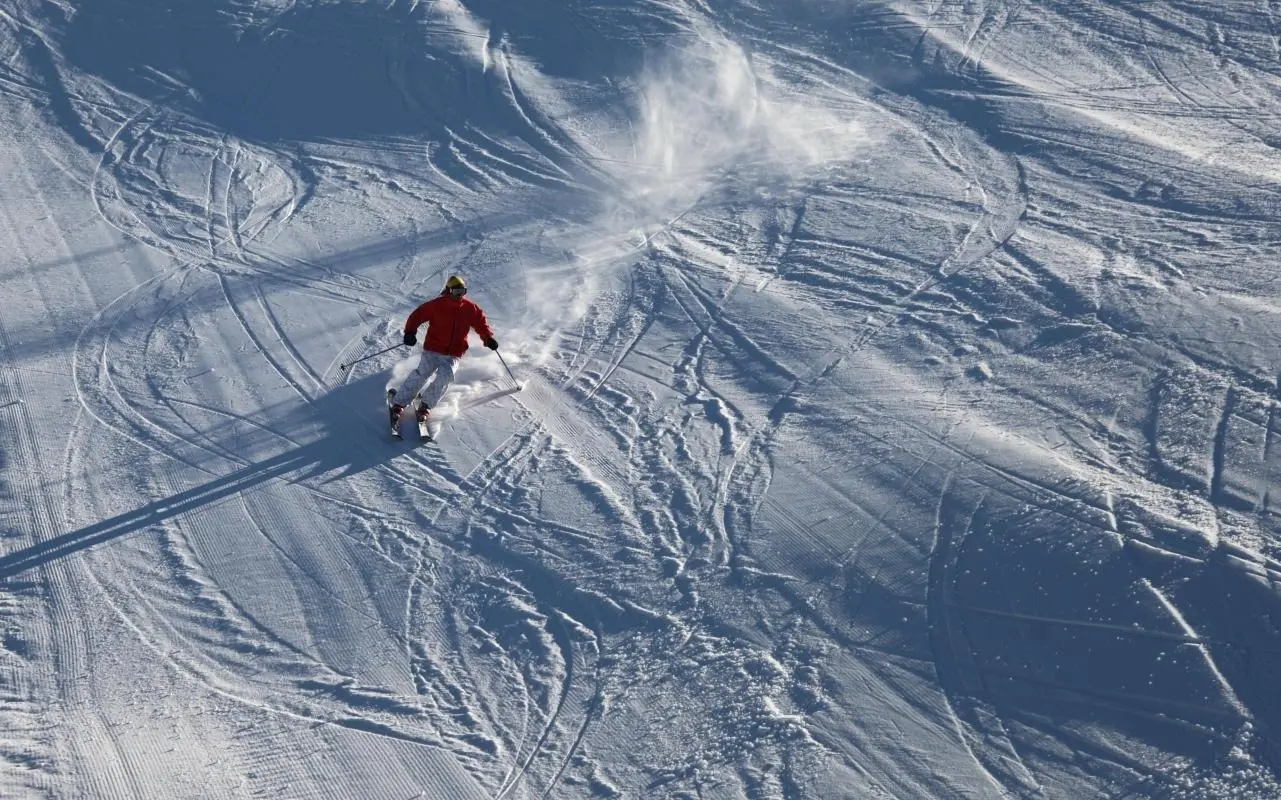
What the day feels like
Morning comes quickly to the high country. Lake Jindabyne lies polished and still, a sheet of pewter catching the first blush as the Snowy Mountains lift their cool shoulders into the day. Gums whisper along the shoreline, and a breeze pads in like a curious dingo. By the time the road begins to climb past Thredbo, the valley has shrugged off sleep, the granite rising in soft humps and the air sharpening, clean and alpine. This is Snowy Valley—your doorstep to Kosciuszko’s big sky and bigger spaces—reachable in a couple of unrushed hours from Canberra, and designed by nature to reset your sense of scale.
It’s the way the landscape keeps changing that stays with you. Here, snow gums twist like dancers, their watercolor bark peeling in quiet gestures. Above them, the Main Range rolls out in a rhythm of tors and tarns, the famous summit of Mount Kosciuszko a gentle monarch at 2,228 meters. Lakes—Blue, Albina, and Cootapatamba—sit in glacial bowls, reminders of the ice that combed this country into curves. The Snowy River pushes forward year-round, shouldering boulders and daring you to match its tempo.
Adventure is baked into the bones of this valley. In summer, the boardwalks that cross alpine bogs lead you toward wildflower meadows and views that seem to expand with each step. The Mount Kosciuszko Summit Walk from Thredbo (around 13 km return if you start with the chairlift) is the accessible signature: a well-formed track, gradual climbing, and horizon-wide views that open like a window every few minutes. For a fuller day, the Main Range Track from Charlotte Pass (roughly 22 km loop) strings together summits, glacial lakes, and airy ridgelines. The terrain is exposed and honest—no tricks, just weather you must respect and a track that asks for steady footing and attention.
If you prefer wheels, the Thredbo Valley Track threads along the river in gentle undulations. It’s a ride with pulse: suspension bridges bounce, river riffles hum, and the forest edges move with you. In spring, when meltwater rushes in, the Snowy speaks up. Kayakers watch the flows; anglers follow trout into shaded pools near dawn and dusk. In winter, everything changes. Snow rounds off the mountains and turns the valleys into long white corridors. Resorts in Thredbo and Perisher take center stage, but wander a little further into the backcountry and the hush grows thick. On powder days, the wind is a busy sculptor, carving cornices and pushing snow into new lines. On bluebird mornings, the range feels endless and clean.
No place in Australia holds quite the same blend of natural spectacle and human story. This is Ngarigo Country; the people who have read these hills for thousands of years still teach that the mountains are living and listening. Later, graziers pushed their cattle along alpine trails—the huts they built still stand like stitched memories on the landscape. And then came the Snowy Hydro Scheme (1949–1974), a nation-defining feat of engineering that piped rivers through rock, carved tunnels across divides, and attracted workers from more than 30 countries. Today, those histories mix with the rhythm of ski seasons, summer festivals, and a wave of small, proud mountain businesses.
The truth of Snowy Valley is that you can keep it simple and still feel like an explorer. Start early. Drink the cold air. Pick a route that fits both weather and ambition. The summit walk is a sound first alpine hike—exposed, yes, but steady underfoot, and generous in payoff. The Main Range loop is a deeper cut, with long hours on high spurs and short detours to blue-water lookouts. Short hikes like Porcupine Rocks and Rainbow Lake deliver outsized views for minimal effort. Between them, swing by the Illawong Suspension Bridge near Guthega and let the Snowy rush under your boots while currawongs broadcast the day.
Practical matters matter here. Weather turns quickly at altitude. UV is fierce even when the wind bites. Carry more water than you think you’ll need, and layer up—light shell, warm midlayer, sun protection—and expect the plan to flex if clouds build. In winter, bring chains for 2WD vehicles, pay close attention to resort and park advisories, and if you step beyond the ropes, pack a map, beacon, and the knowledge to use them. Even in high summer, temperatures can slip below freezing at night. The park asks you to stay on formed tracks to protect fragile alpine bogs. Do it. Those mossy sponges hold the headwaters that feed the Snowy and its tributaries.
When the day is done, the valley softens. Jindabyne settles into a warm glow and a cold drink tastes like it’s earned its place. Trout on the menu makes sense here. So does hearty alpine fare—stews, schnitzel, anything that warms you from the inside out. The community itself is part mountain town, part crossroads; skiers and hikers inside the same bakery at first light, tradies fueling up, backpacks and tool belts elbow to elbow.
The payoff of Snowy Valley isn’t a single viewpoint or summit sign. It’s the way the range keeps drawing you forward—another switchback, another ridge, another ripple of blue mountains beyond the last. It’s a place that teaches you to move at the pace of weather and granite, to read the signs the land is leaving for you, and to go home with legs pleasantly used and mind reset. The mountains, busy as they are, will be here when you come back—and they’ll be in no hurry at all.
Trail wisdom
Small choices, better day.
Start with sunrise
Begin hikes early to beat wind and UV. Morning light on the Main Range is cleaner and conditions are typically more stable.
Respect alpine weather
Even in summer, carry a shell and warm midlayer; storms build fast above the tree line and temperatures drop quickly.
Know your water plan
Carry at least 2 liters and treat stream water—alpine creeks can carry pathogens despite their clarity.
Mind the exposure
Tracks are generally well formed but exposed. Hat, sunscreen, and sunglasses are essential for this high-UV environment.
Local knowledge
Read the place, not just the route.
Watch for native species including Wombats along river flats at dusk, Crimson rosellas flashing through snow gums.
Keep an eye out for wildlife during the transition between areas and habitats. Respect distance guidelines.
Alpine bogs are fragile—stay on boardwalks and formed tracks. Pack out all waste and help reduce the spread of weeds by cleaning boots and bike tires before and after trips.
Follow the guide's instructions on size limits, ethical handling, and leave-no-trace practices.
Illawong Suspension Bridge near Guthega for a quick taste of the Snowy River’s energy. Porcupine Rocks lookout for sunset views with minimal effort
Locally recommended viewpoints and quiet spots known best to local operators.
This is Ngarigo Country, long used for seasonal gatherings; much later the Snowy Hydro Scheme (1949–1974) reshaped the region and drew a diverse workforce that still influences local culture.
Maritime roots and regional tradition shape the waterways and working coasts.
Seasonal guide
Four versions of the same landscape.
Spring
Best forWildflowers on the Main Range · High-country cycling on the Thredbo Valley Track
ChallengesSnow patches linger on high trails · Fast river levels and changeable weather
As the meltwater runs, meadows bloom and trails reopen, but expect lingering snow on shaded aspects and swift creeks.
Summer
Best forMount Kosciuszko summit hikes · Alpine lakes and long ridge walks
ChallengesIntense UV exposure · Afternoon storms and gusty winds
Long daylight and open access make this prime hiking season—start early, watch the forecast, and protect from the sun.
Fall
Best forCrisp, stable hiking days · Photography with clear air and long shadows
ChallengesCold nights and sudden cold fronts · Shortening daylight
Cool, settled weather often brings the year’s clearest views; layer up and plan for earlier turnarounds.
Winter
Best forResort skiing at Thredbo and Perisher · Backcountry ski tours in settled snow
ChallengesIcy roads and chain requirements · Whiteouts and severe wind on the range
Snow transforms the valley—stick to resorts unless you’re equipped and skilled for alpine travel beyond the boundaries.
Pack with intention
What to bring.
Good to know
Common questions.
Yes. Park use fees apply year-round and are higher in winter. Buy online via NSW National Parks or at entry stations.
Plan the edges
The details that make the day easier.
The Snowy Hydro Scheme, built between 1949 and 1974, diverts water between the Snowy, Murray, and Murrumbidgee rivers through 16 major dams and 145 km of tunnels, and it remains one of Australia’s largest engineering projects.
Mountain towns here blend ski-culture comfort food with local produce: think smoked trout, hearty schnitzel, and craft beer brewed lakeside. Keep an eye out for seasonal markets and small roasters—ideal for pre-dawn starts and post-hike debriefs.
- Base
- Jindabyne. Access: ~2–2.5 hrs from Canberra via Monaro Hwy. Park fees: required year-round (higher in winter). Altitude: 1,000–2,228 m. Road: chains required for 2WD in snow season. Coverage: patchy—carry offline maps
- PLB. Water
- treat stream water.
Stay on formed tracks to protect alpine moss beds and bogs. Leave no trace, avoid cutting switchbacks, and clean gear to prevent weed spread—small actions with big impact in a sensitive high-country ecosystem.
Explore by topic
Follow the threads.
Keep exploring
Make the story part of the trip.
 Related story
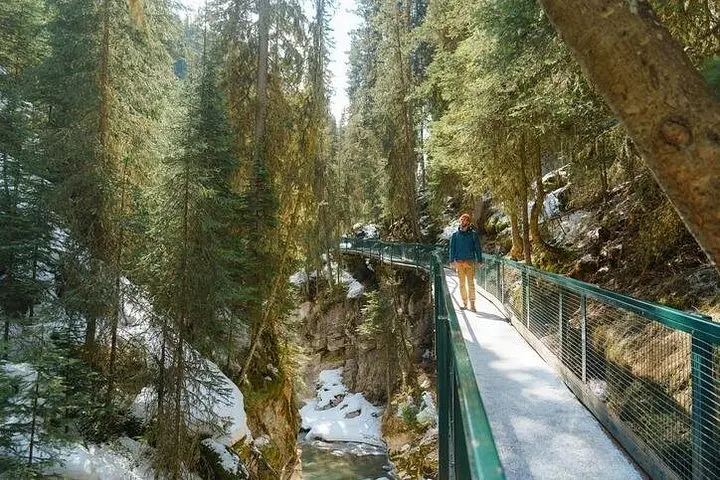
In eight efficient hours, experience the turquoise drama of Lake Louise and the cathedral-like icefalls of Johnston Canyon. This guided shuttle day trip from Banff/Canmore combines easy access, crisp winter scenery, and practical guidance for a high-reward Rockies outing.
 Related story
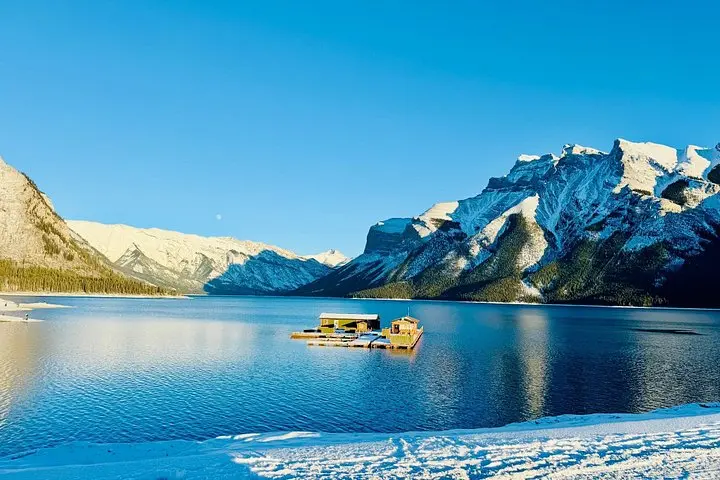
See Banff’s signature overlooks and hidden lakes in one compact, expertly guided 2.5-hour loop. Perfect for short-stay travelers who want big scenery without the driving.
 Related story
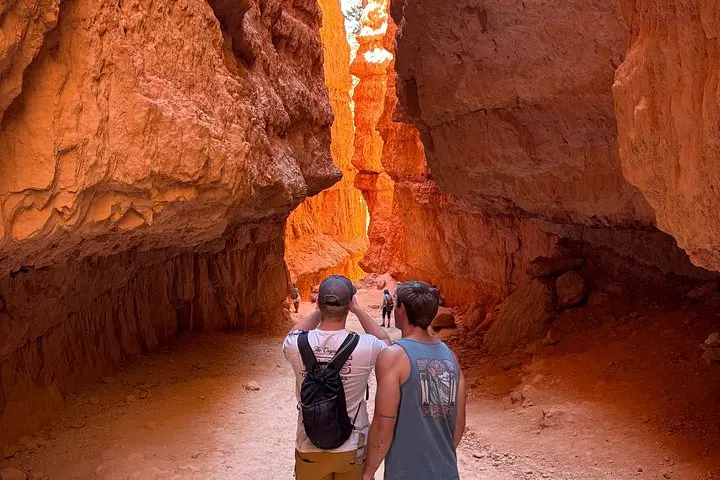
A guided sunrise hike down the Navajo Loop turns Bryce Canyon’s hoodoos from postcard scenery into an intimate geology lesson. Three miles, expert narration, and unforgettable light—this tour is the quickest way to understand how ice, time, and wind carved a city of stone.