
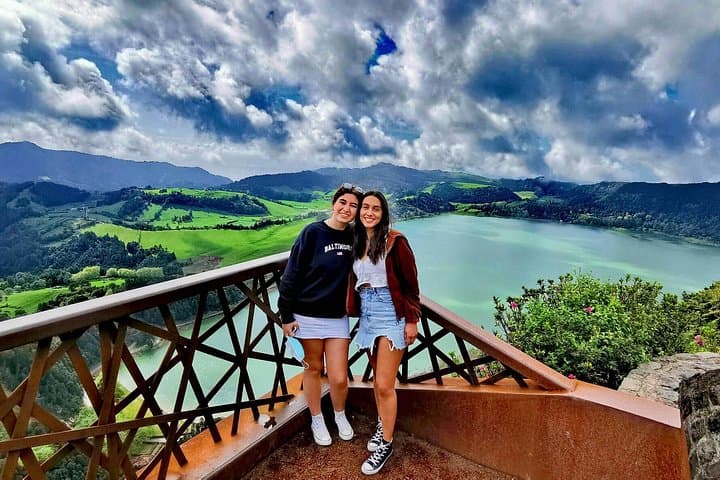
What the day feels like
The steam rises in thin, ghostly ribbons from the valley, smelling faintly of sulfur and warm earth. A stone pot, half-buried, hisses as a caretaker lifts a lid and releases a plume of fragrant vapor—a slow-brewed stew that has been cooking underground for hours. On the opposite side of the island, cliffs bloom with a riot of wildflowers, ocean spray carving the coastline into toothy viewpoints. This is São Miguel in microcosm: the gentle and the fierce sharing a single horizon.
You meet your guide in Ponta Delgada and drive east, the car winding past patchwork fields, pineapple greenhouses, and the patchy tea terraces of Gorreana. The first stop is Furnas, a valley that feels less like a place and more like an ongoing geological experiment. Here, steam vents and bubbling fumaroles are not curiosities—they are the mechanisms of daily life. Locals still use geothermal heat to cook the famed cozido: cast-iron pots of pork, sausage, and root vegetables lowered into the earth and retrieved hours later—an earthy, elemental form of slow food. If you want the full context, book the <a href="https://app.advcollective.com/local-experts/sao-miguel-furnas-nordeste-volcano-tour-with-traditional-cozido-lunch">Furnas volcano tour with traditional cozido lunch</a> and watch the process from valve to table.
This route reads like an abridged geology primer. São Miguel is the largest island in the Azores, born of repeated volcanic eruptions over 100,000 years. Furnas is a caldera—an old collapsed volcano—recalled in the soft amphitheater of the valley, in the thermal springs that feed manicured botanical gardens and the hot lagoons where locals and visitors linger. Nordeste, farther north and east, is the island’s floral theater: cliffs, terraces, and belvederes planted with hydrangeas, azaleas, and an unexpected profusion of native laurel forest. The drive between these two points is a contrast of textures—mud and steam against basalt and ocean spray.
Culture here is shaped by geology. The cozido is not just a meal; it’s a ceremony—a quiet conversation between human tradition and natural force. Tea growers in Gorreana tend rows of tea bushes in a landscape that looks more Welsh than Mediterranean, a reminder that the Azores’ climatic quirks produce crops you won’t expect: black tea and greenhouse pineapples thrive because of volcanic soil and a mild, humid climate.
Practicalities matter. Expect a full-day outing of roughly 8–9 hours, with a mix of short walks (a few paved paths and boardwalks) and time spent standing at viewpoints or moving between sites. Terrain is mostly easy, but wet ground around fumaroles and cliff edges demands good footwear. Weather can flip—mornings are often calm, and coastal mist or sudden showers arrive in the afternoon—so layers are your friend.
Why do the trip? You get three experiences in one: a primer in volcanic behavior, a culinary encounter you can’t replicate elsewhere, and a coastal drive lined with viewpoints that reward a patient eye. Bring a sense of curiosity and a camera with a weather-sealed body, because the light and textures—the steam, the manicured gardens, the Atlantic cliffs—are textbook for dynamic landscape photography.
To make the day smoother: go early (fewer crowds at Furnas and cooler temperatures for the walk), drink water between stops (the geothermal air can dry you), and respect the marked trails—thermal ground conceals fragile crusts. The included lunch is a highlight: sit back and let the steam kitchen tell its story while you taste the result.
For those who want to dig deeper, the tour is also a gateway to the Azores’ broader pattern of sustainable tourism. Small local operators tend to favor low-impact routes and interpretive stops that emphasize stewardship—visits where you learn not just how something is done, but why it matters to protect it. If you’re planning your logistics, book in advance to secure the guided interpretation and the cozido experience; the combination sells out on sunny days.
At day’s end you’ll have the satisfying residue of salt and steam on your jacket and a clearer sense of why this island stitches together geology, agriculture, and tradition. Whether you’re a first-time Azores traveler or someone mapping the archipelago’s deeper corners, the Furnas & Nordeste day tour is a compact, sensory education in how an island can cook its food and sculpt its coastline with the same set of forces.
Trail wisdom
Small choices, better day.
Mind the thermal crusts
Stay on marked paths around fumaroles—ground can be hot and unstable.
Layer for changeable weather
Bring a light waterproof shell and insulating mid-layer; conditions shift quickly between valley and coast.
Hydrate between stops
Geothermal areas and coastal wind can dehydrate—carry at least 1L of water.
Book cozido in advance
The traditional underground-cooked lunch is often timed; reserve your slot with the tour to guarantee the experience.
Local knowledge
Read the place, not just the route.
Watch for native species including Common Tern, Azorean Bullfinch (limited, in protected areas).
Keep an eye out for wildlife during the transition between areas and habitats. Respect distance guidelines.
Visit with a low-impact mindset: stick to marked trails, avoid disturbing thermal areas, and support local guides who contribute to conservation and community livelihoods.
Follow the guide's instructions on size limits, ethical handling, and leave-no-trace practices.
Gorreana Tea Plantation — the oldest working tea plantation in Europe for a quiet tour. Miradouro da Ponta do Sossego — lesser-known coastal viewpoint with dramatic drops and fewer tourists
Locally recommended viewpoints and quiet spots known best to local operators.
São Miguel’s landscape is a record of repeated volcanic activity; Furnas is a caldera formed by eruptions and hydrothermal activity that locals have used for centuries.
Maritime roots and regional tradition shape the waterways and working coasts.
Seasonal guide
Four versions of the same landscape.
Spring
Best forWildflower displays · Cooler hiking · Fewer crowds
ChallengesUnpredictable showers · Mud on trails
Spring brings blooming hydrangeas and azaleas—ideal for photography and mild walks, but pack for wet ground.
Summer
Best forStable weather · Longer daylight · Calmer seas
ChallengesHigher visitor numbers · Warmer valley temperatures
Summer is the easiest season for reliable weather and extended daylight—book early for the best guides and lunch slots.
Fall
Best forDramatic light · Milder crowds · Warm sea temperatures
ChallengesOccasional Atlantic storms · Some services reduce hours
Autumn offers warm tones and good light for cliffs; keep an eye on offshore weather that can bring rain.
Winter
Best forSteam and mist photography · Lower prices · Lush greenery
ChallengesShorter days · Wind and rain
Winter emphasizes the steam and green landscapes but expect cooler, wetter conditions—layers and waterproofs required.
Operator details
What the booking data adds.
Included
- ✓Local guide
- ✓Hotel pickup and drop-off
- ✓Afternoon tea
- ✓Lunch
- ✓Driver/guide
Not included
- —Entrance fees (available in tour options)
- —Gratuities
Good to know
- ✓Specialized infant seats are available
- ✓Infants and small children can ride in a pram or stroller
- ✓Public transportation options are available nearby
- ✓Suitable for all physical fitness levels
- ✓Children must be accompanied by an adult
Pack with intention
What to bring.
Good to know
Common questions.
The tour runs about 8–9 hours (480–540 minutes), covering Furnas, Gorreana, and Nordeste with a traditional lunch included.
Plan the edges
The details that make the day easier.
Furnas’ traditional 'cozido' is cooked using geothermal heat—pots are buried in steaming vents and slow-cooked underground for several hours, a practice dating back to the island’s earliest settlers.
After the hike and steam-kissed lunch, walk the Terra Nostra Gardens and take a dip in its thermal pool. Stop at Gorreana Tea Factory for a cup and a slice of local pineapple tart, and finish in Ponta Delgada with fresh seafood on the marina to round out the island’s flavors.
- Closest airport
- João Paulo II Airport (PDL). Typical drive from Ponta Delgada to Furnas: ~45–60 minutes (45 km). Cell service: reliable near towns, intermittent along Nordeste coast. Permits: none required for typical tour routes; book the guided tour for access to local interpretation and timed lunch.
This area contains sensitive geothermal features and protected laurisilva remnants—stay on trails, pack out trash, avoid disturbing thermal vents, and support local guides and businesses who invest back into conservation.
Explore by topic
Follow the threads.
Keep exploring
Make the story part of the trip.
 Related story
Less than two hours from Nairobi, Kereita Forest pairs hands-on canopy adventure with quiet montane trails and a sobering colonial history—perfect for families, teams, and curious travelers seeking a full-day pulse of nature.
Set out from Bass Harbor for a private, customizable day on Blue Hill Bay — lighthouses, puffins, seals, and the chance to feel Acadia from the water. Small groups, local captains, unforgettable views.
In four hours you can move from shaded canyon ferns to wind-scoured coastal ridgelines, guided by someone who knows where the light—and the hidden views—live. This private half-day hike on the Monterey Peninsula or Big Sur is compact, curated, and perfect for travelers who want depth without a multiday commitment.