
What the day feels like
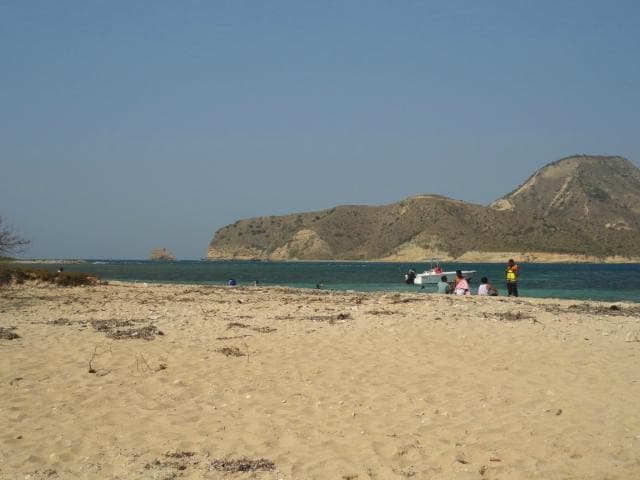
The speedboat slides off the bow like a pen through blue ink. Salt stings the back of your throat, wind combs the hair off your face, and ahead—a low, pale ribbon of sand and coral—Cayo Arena, locally called Isla Bonita, rises from the Caribbean like an invitation. This is the northwestern edge of the Dominican Republic, where Monte Cristi National Park stitches together living coral gardens, tangled mangrove forests, and wind-sculpted limestone that dates back millions of years. It’s a place for clear-water adrenaline—the kind you feel when you first lean over a rail to watch a parrotfish thread between brain coral—and for slow, careful wonder, as you let a guide point out the small, essential life of the mangrove roots.
On the typical full-day excursion from Puerto Plata, Cabarete, or Santo Domingo, the day splits cleanly: a high-speed launch to Cayo Arena for snorkeling and sun, then a quieter return through mangrove channels along Monte Cristi’s coast. It’s an easy itinerary that nevertheless delivers a rich set of ecosystems. The cay is a crescent of powder sand ringed by shallow reef—perfect for snorkeling novices and photogenic for more experienced divers. The reef is alive with small tropical fish, curious schools of snapper, and coral shapes that are as much architecture as ecosystem. On the way back, the boat slips between fingered mangroves; the guide will point out how those roots hold the coastline together and how birds and juvenile fish use them as nurseries.
Geology here is candid and visible. The Monte Cristi shoreline bears the marks of a limestone shelf uplifted and eroded by wind and water—flat, fluted cliffs, salt flats, and exposed coral terraces. Those pale flats are not barren; they host a dry coastal forest adapted to salt and sun. From the sea you’ll see the low profile of the coastline, and inland, the hush of a landscape that was once sparsely settled and fiercely maritime. Monte Cristi town grew around trade and shipping in the 19th century; the area’s natural harbors and offshore cays were important waypoints for vessels crossing the Caribbean.
Culturally, these are working coastal places. Fishing communities dot the shore. Onshore stops offered by full-day tours typically include a simple, home-style lunch—fresh catch, fried plantains, rice, and a salad—served with a view of turquoise water. Guides are often local fishers who know the reef and the tides; when you book a Cayo Arena day trip or the Isla Bonita speed tour, you’re also supporting maritime livelihoods and small-scale tour operators who spend each day reading currents and winds.
There’s a conservation thread under everything here. That delicate coral behind Cayo Arena is vulnerable to boat groundings, sunscreen chemicals, and careless snorkeling. Monte Cristi’s mangroves are what hold the coast together; they filter runoff and host juvenile fish that later populate offshore reefs. Good guides brief visitors on responsible snorkeling (no touching or standing on coral) and on reef-safe sunscreen. If you listen, the guide will tell you where the mangrove seedlings cling, where sea turtles occasionally feed, and where bird roosts pivot with the seasons.
Practically speaking, this is a day-trip destination but it requires a little planning. Tours typically leave early—crucial for calmer seas and better light for snorkeling—and return in time for dinner. Expect 6–9 hours total for a full-day excursion, including land transfer if you’re coming from Santo Domingo. Bring reef-safe sunscreen, a well-fitting snorkel mask (many operators rent gear but fit varies), quick-dry clothing, and cash for small purchases or tips. Sea conditions can be choppy if trade winds are strong; motion-sickness medication for the sensitive is a useful precaution.
For active travelers, Monte Cristi delivers: a mix of adrenaline on the speedboat, peaceful immersion amid coral gardens, and a short, interpretive encounter with mangroves that rewards attention rather than effort. For families and casual travelers, it’s approachable—shallow reef, white sand, and guided snorkeling that structures curiosity into safe access. The best visits balance both: go early for calm water; stay long enough to let the reef reveal its subtleties; listen to the guides who grew up on these shores.
If you go, prioritize operators who emphasize conservation, who use anchors carefully or better yet moor offshore with lines to avoid reef contact, and who include a mangrove visit as part of the itinerary. These trips are not only about a sun-drenched cay; they are an entry point to understanding how Caribbean coastlines function—how reefs, mangroves, and communities depend on one another. Leave with sandy toes, a few good underwater photos, and a sense that you’ve spent a day at the seam of land and sea where nature still does the heavy lifting.
Monte Cristi National Park and its offshore cays aren’t remote in the romantic sense—they’re close enough for a day trip from major tourist hubs—but they remain an ecosystem mosaic worth protecting. Come with curiosity and some common-sense restraint: swim slowly, don’t stand on coral, and bring a refillable bottle. If you do, the day becomes less a checklist and more a conversation with the sea: the reef daring you to look closer, the mangroves offering a place to learn, and the beach giving you a moment to simply be in a Caribbean light that is, for now, still dazzlingly unchanged.
Trail wisdom
Small choices, better day.
Go early for calmer seas
Tours that depart in the morning offer smoother water and clearer snorkeling conditions; sunrise light also improves underwater visibility.
Use reef-safe sunscreen
Choose mineral-based sunscreen and apply at least 20 minutes before entering the water to protect coral and marine life.
Bring a fitted snorkel mask
A mask that seals well keeps salt out and helps you focus on fish and coral; rentals vary in quality so bring your own if you have it.
Protect small electronics
Use a dry bag for phones and cameras—sand and spray are constant on speedboat runs between sites.
Local knowledge
Read the place, not just the route.
Watch for native species including frigatebirds, sea turtles.
Keep an eye out for wildlife during the transition between areas and habitats. Respect distance guidelines.
Mangrove and coral habitats are sensitive; choose operators who use reef-safe practices and who brief guests on no-touch snorkeling.
Follow the guide's instructions on size limits, ethical handling, and leave-no-trace practices.
El Morro and nearby limestone terraces—good photo stops on the coast. Quiet mangrove channels off Monte Cristi where birdlife concentrates in early morning
Locally recommended viewpoints and quiet spots known best to local operators.
Monte Cristi developed as a 19th-century port and trading center; its coastline and offshore cays were essential stopovers for coastal shipping.
Maritime roots and regional tradition shape the waterways and working coasts.
Seasonal guide
Four versions of the same landscape.
Spring
Best forcalm seas · clear water snorkeling · birdwatching
Challengesintermittent rains inland · busy spring-break crowds in some towns
Late winter into spring is part of the dry season—seas are generally calm and visibility is excellent for snorkeling.
Summer
Best forwarm water snorkeling · long daylight hours · fewer crowds on weekdays
Challengesincreased hurricane risk later in season · warmer water can mean algae blooms
Summer brings heat and humidity; early-season summer is fine but be mindful of tropical weather forecasts.
Fall
Best foroff-peak travel deals · migratory bird sightings · less traffic on tours
Challengeshighest hurricane risk (Aug–Oct) · choppier seas during storm windows
Fall can be quieter and wallet-friendly, but monitor storm season alerts and flexible cancellation policies.
Winter
Best fordry weather · excellent underwater visibility · comfortable evenings
Challengeshigher visitor numbers around holidays · cooler trade winds that can create chop
Winter—December through March—offers the most reliably dry and clear conditions for reef and mangrove visits.
Pack with intention
What to bring.
Good to know
Common questions.
Boat time varies by departure point; from Puerto Plata or Cabarete expect roughly 60–90 minutes depending on the route and sea conditions.
Plan the edges
The details that make the day easier.
Cayo Arena (Isla Bonita) is a sandbar with a living coral reef system popular for day trips; Monte Cristi’s mangroves play a crucial role in protecting this coastline and supporting nursery habitat for fish.
Local communities serve freshly caught fish and traditional sides—look for fried fish, tostones (fried plantain) and fresh coconut water; small artisan stalls in Monte Cristi sell woven goods and shells.
- Departure hubs
- Puerto Plata, Cabarete, Sosua or Santo Domingo; Full-day tours include boat transfer, snorkeling, mangrove visit and lunch; bring reef-safe sunscreen and a mask; expect 6–9 hours total.
Choose operators that brief guests on reef etiquette, avoid anchoring on coral, and employ local guides; use reef-safe sunscreen and avoid single-use plastics.
Explore by topic
Follow the threads.
Keep exploring
Make the story part of the trip.
 Related story
Less than two hours from Nairobi, Kereita Forest pairs hands-on canopy adventure with quiet montane trails and a sobering colonial history—perfect for families, teams, and curious travelers seeking a full-day pulse of nature.
Set out from Bass Harbor for a private, customizable day on Blue Hill Bay — lighthouses, puffins, seals, and the chance to feel Acadia from the water. Small groups, local captains, unforgettable views.
In four hours you can move from shaded canyon ferns to wind-scoured coastal ridgelines, guided by someone who knows where the light—and the hidden views—live. This private half-day hike on the Monterey Peninsula or Big Sur is compact, curated, and perfect for travelers who want depth without a multiday commitment.