
What the day feels like
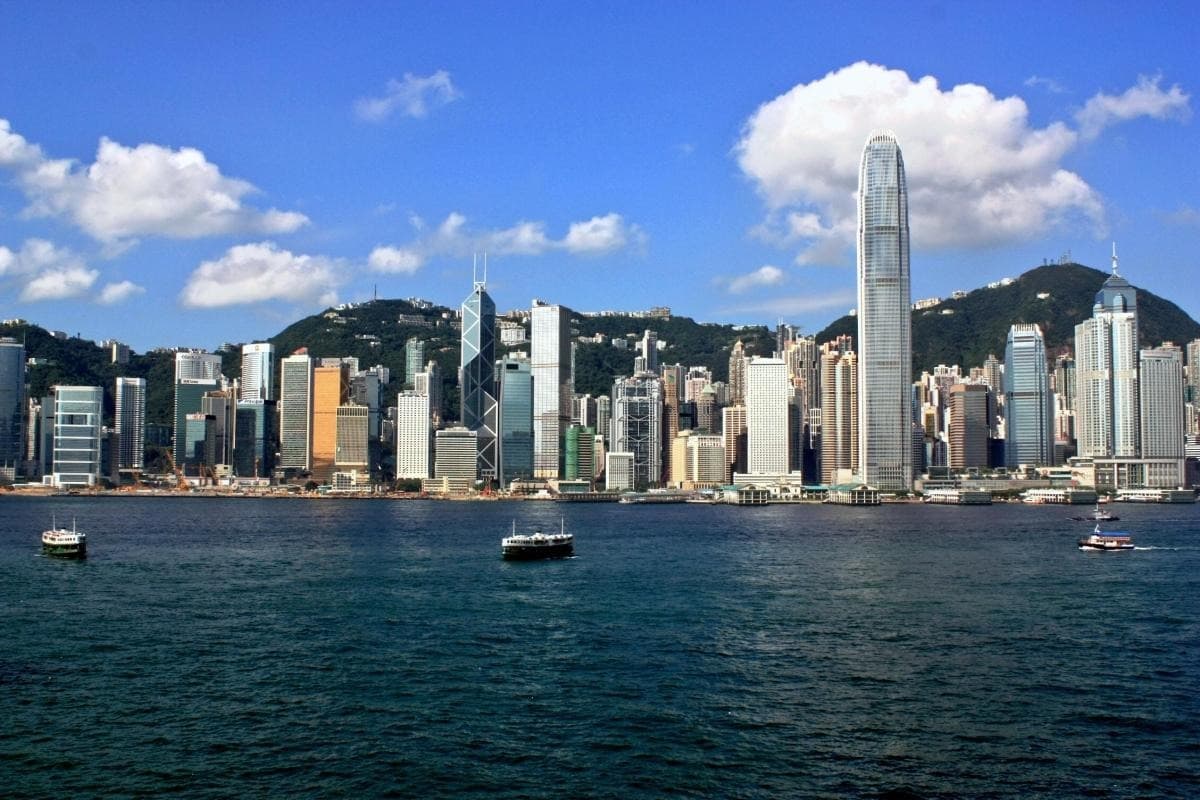
The Peak wakes before the rest of the city. Mist sits in the bowl of Victoria Harbour, gutters of early sun carving glass and steel into direction. From the Peak Tram you glide past stair-stepped tenements and slick office towers, the cars of the Central district shrinking beneath an impossible skyline. On Hong Kong Island, the city is layered: a shoreline where ferries and yachts negotiate the glinting hour, a ribbon of colonial masonry and narrow lanes that keep their old trades, and a green spine of ridgelines and reservoirs that pull you up into a different rhythm entirely.
This is a place that insists on movement—ding ding trams that clatter like a metronome through Sheung Wan, the steady churn of the Star Ferry across Victoria Harbour, and the late-evening seesaw of neon and shadow as the metropolis flips from day to night. It’s also an island where history and geology are in conversation: granite and volcanic outcrops cold-pressed into steep headlands, then softened by the human act of reclamation. British rule since 1841 reshaped the shoreline and the city’s architecture; reclamation projects layered artificial edges onto a naturally indented coast, producing the Victoria Harbour silhouette we now know.
The island’s appeal is dual: cultural interrogation and uncomplicated outdoor work. Walk the Central heritage routes to feel the city’s past underfoot—Victorian facades, preserved buildings with brass plaques, and alleyways where century-old shops keep to old recipes. A heritage walk unfurls stories of colonial commerce and local resistance, of markets that have fed the same neighborhoods for generations. Then shift to the hills: Victoria Peak stands at 552 meters, and the Peak Circle Walk offers approachable panoramas (roughly 3.5 km) with several vantage points that make the skyline read like relief sculpture. For something quieter, head to the Tai Tam Reservoirs' circuit, where reservoirs settle like glass and ashy pines hold the wind.
Hong Kong Island’s evenings belong to water. A private yacht charter along Victoria Harbour provides a surprisingly intimate vantage on the Symphony of Lights—boats, water, and the skyline performing together. The harbour lights are not just spectacle; they’re a way to understand the city’s relationship to the sea. A photography masterclass focused on the harbour and neon streets teaches you how to read the technical details—long exposures for light trails, composition that carves the vertical city into human-scale images.
Those who travel to taste the place will find Hong Kong Island generous. A private food tour threads markets, dai pai dongs, and hidden noodle shops into a single arc of flavor: wonton noodles, roast goose, and street snacks that are the product of decades of technique. Cultural tours that unspool intangible heritage—like the Fire Dragon tradition of Tai Hang—add layers of ritual and continuity to what otherwise could be a purely visual visit.
How to experience it well: start by choosing your pace. A half day can cover a combination of a heritage walk, a tram ride and a rooftop bar sunset; a full day lets you add the Peak walk, a market crawl, and a late-night photography session. Public transit is exemplary: the MTR, buses, trams and ferries are efficient and cheap with an Octopus card. For travelers planning special evenings, reserve a yacht in advance—private charters are popular for small groups and fill on weekends.
Practicalities hold up to adventure: the Peak Circle Walk is largely paved with modest elevation changes, making it suitable for most hikers with steady shoes. Old Peak Road, by contrast, is a more sustained climb—expect several hundred meters of ascent if you hike up from Admiralty. Weather is decisive; summers are hot and humid with sudden storms, so aim for autumn for the clearest light and mild temperatures. Bring a small daypack, water, and a portable charger—the constant photo and navigation makes drains quick work of batteries.
Culturally, show curiosity and respect. Temple etiquette is simple—bow, don’t block worshippers, and ask before photographing people. At markets, allow space and move deliberately; vendors prize efficiency but are usually open to questions about a dish or product.
Logistically, combine modes: the Peak Tram for the novelty and view; ferries for cheap, cinematic crossings; and a walking tour to unlock hidden corners you won’t discover alone. Night tours highlight the transformed city—neon and crowd rhythms ideal for photographers learning long exposures. If you’re pairing activities, a day that threads a heritage walk, food tour, late afternoon Peak hike, and an evening yacht cruise can feel indulgent without being rushed—book time for each and expect to walk a lot.
Finally, leave room for small discoveries: a herbal tea shop whose recipe hasn’t changed in decades, a narrow lane lit by laundry and yellow light, a rock ledge with a view of container ships seeding the horizon. Hong Kong Island is a city of contrasts—where geology and economy, ritual and nightlife, landscape and skyline are in daily conversation. Its adventures are urban and elemental at once: you’ll come for the view but stay for the way the island convinces you that cities, like coastlines, have a wildness to them if you know where to look.
Trail wisdom
Small choices, better day.
Start at sunrise for the Peak
Beat the crowds on the Peak Circle Walk and enjoy cleaner air and softer light for photos; buses and the Peak Tram begin early.
Carry an Octopus card
One card covers MTR, trams, buses and ferry rides—speed up transit and avoid queuing for tickets.
Hydrate and rest in shade
Island climbs are short but steep; pack 1–1.5 L water and take frequent breaks on exposed sections.
Book evening charters early
Private yacht cruises and dinner charters sell out on weekends—reserve 2–3 weeks ahead, more in peak season.
Local knowledge
Read the place, not just the route.
Watch for native species including black kites circling over Victoria Harbour, cormorants and shorebirds along the reclamation edges.
Keep an eye out for wildlife during the transition between areas and habitats. Respect distance guidelines.
Rapid development pressures the island’s coastal and upland habitats; local groups work to protect reservoir catchments and heritage buildings while promoting low-waste tourism.
Follow the guide's instructions on size limits, ethical handling, and leave-no-trace practices.
Tai Tam Reservoir loop—quiet water-side trails and colonial-era dam walls. Wan Chai Blue House cluster and nearby alleyway eateries
Locally recommended viewpoints and quiet spots known best to local operators.
Hong Kong Island was ceded to Britain after the First Opium War (Treaty of Nanking, 1842), launching the colonial era that shaped much of the island’s built environment.
Maritime roots and regional tradition shape the waterways and working coasts.
Seasonal guide
Four versions of the same landscape.
Spring
Best forblossom and mild hikes · street festivals · photography at golden hour
Challengesoccasional rain · variable humidity
Spring brings comfortable temperatures and festivals—expect intermittent showers and clear mornings ideal for walks.
Summer
Best forlate-night dining and nightlife · harbour cruises · early-morning hikes
Challengeshigh heat and humidity · typhoon season and sudden storms
Summer is hot and wet; schedule outdoor activity early and watch forecasts for typhoon alerts.
Fall
Best forclear skyline views · full-day hikes · evening photography
Challengeshigher visitor numbers · brief cool snaps at night
Autumn offers the best visibility and mild temperatures—prime season for sightseeing and photography.
Winter
Best forcrisp skyline photography · cooler city walks · cultural festivals like Lunar New Year (seasonal)
Challengescooler nights · occasional haze reducing long-distance views
Winters are mild and dry—great for urban exploration though early evenings can be cool.
Pack with intention
What to bring.
Good to know
Common questions.
Take the Peak Tram from Central for a scenic ascent, or hike Old Peak Road for a steadier climb—both finish near the Sky Terrace viewpoints.
Plan the edges
The details that make the day easier.
Victoria Peak (Mount Austin) is 552 meters tall and has been a favored vantage point since the colonial era; the Peak Tram has been operating since 1888.
Eat like a local—try wonton noodles, herbal tea shops, and roast goose; watch a local dragon dance if your visit coincides with the Tai Hang festival for a deep cultural touchpoint.
- Getting there
- MTR
- Star Ferry. Costs
- Mid-range to luxury depending on activities. Best time: Oct–Dec. Reservations: Yacht & popular tours required on weekends.
Choose guided tours that support local communities, avoid single-use plastics, and stay on marked trails to protect reservoir catchments and cultural sites.
Explore by topic
Follow the threads.
Keep exploring
Make the story part of the trip.
 Related story
Less than two hours from Nairobi, Kereita Forest pairs hands-on canopy adventure with quiet montane trails and a sobering colonial history—perfect for families, teams, and curious travelers seeking a full-day pulse of nature.
Set out from Bass Harbor for a private, customizable day on Blue Hill Bay — lighthouses, puffins, seals, and the chance to feel Acadia from the water. Small groups, local captains, unforgettable views.
In four hours you can move from shaded canyon ferns to wind-scoured coastal ridgelines, guided by someone who knows where the light—and the hidden views—live. This private half-day hike on the Monterey Peninsula or Big Sur is compact, curated, and perfect for travelers who want depth without a multiday commitment.