
What the day feels like
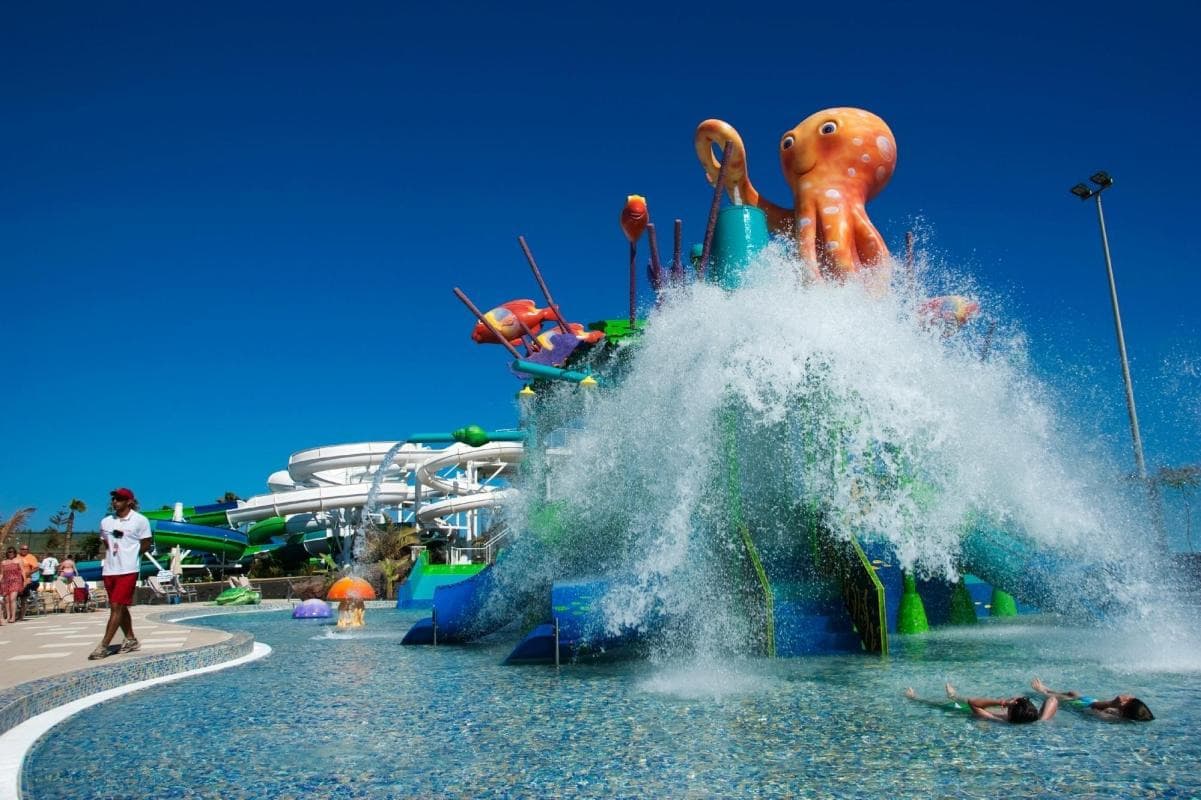
The sun leans low over Playa Blanca and the swim lanes of Aqualava catch it like molten metal. Kids shout, lifeguards whistle, and a spray of salt and chlorine hangs in a glittering veil that matches the island’s volcanic sheen. Aqualava Waterpark Relaxia sits where the Atlantic seems to impatiently lap at Lanzarote’s blackened edges—a modern, sustainable resort of slides, pools and terraces that pays quiet tribute to the island’s geology. This is not a theme park of plastic whimsy; it’s a place designed to sit beside the volcanic landscape and let you play in the water while remembering where you are: on volcanic ground that still tells the story of eruptions and wind.
Lanzarote’s story is geological theater. The eruptions of the 18th century reshaped the island into a field of cooled lava, craters and otherworldly plains. Nearby Timanfaya National Park is mute proof—barren, basaltic and strict—but Aqualava offers a different beat: human-scaled delight threaded through that same volcanic narrative. The waterpark’s architecture and landscaping are modern and, by local accounts, centered on sustainable choices; terraces and pools are framed by native plants and sculpted volcanic stone that echo the island’s signature shades and textures.
Culturally, Lanzarote has always been modest about its riches. César Manrique, the artist-architect who helped define the island’s look, insisted that development should respect the land; today that ethos pervades pockets of Playa Blanca and its quieter resorts. Aqualava’s emphasis on sustainability is less marketing puffery and more a nod to that tradition—energy-efficient systems, water-conscious design and landscaping that tolerates drought. For visitors, the payoff is immediate: a clean, modern facility that doesn’t feel out of place when you step off a slide and see a row of black volcanic ridges on the horizon.
Why come to a waterpark on Lanzarote instead of the beach? Because it changes the rhythm of the trip. Beaches like Papagayo are sublime but exposed—crowds, winds and sun demand attention. Aqualava packages controlled comfort and excitement: sun terraces with loungers, pools warmed by the afternoon, kid-friendly splash zones, and slides that let adrenaline cut through the serene pace of island life. For families it’s a reset: safe lifeguard-covered swimming, shaded rest areas, and the kind of amenities that make an entire afternoon feel effortless. For couples and active travelers, a morning at Timanfaya followed by an afternoon of cooling off in the park supplies a satisfying contrast—raw geology and playful engineering in one day.
Practical notes: arrive early to beat midday queues and secure a sunbed. Bring reef shoes for the boardwalks and terraces if you’re sensitive to hot surfaces. Sun is strong year-round; sunscreen and a brimmed hat are non-negotiable. The park’s modern facilities include locker rentals, cafes and shaded rest areas—use them to stage a long, lazy afternoon where you move between slides, pools and the occasional siesta.
If you want to build an itinerary, pair Aqualava with Parque Nacional de Timanfaya for a morning of volcanic grandeur, then drive the short coastal road to Papagayo’s coves for sunset. The town of Playa Blanca is compact and travel-friendly—think fresh seafood, papas arrugadas with mojo, and streets that reward slow strolling. Ferries to Fuerteventura leave from the harbor, giving you a one-day island-hopping option for when land and sea begin to feel routine.
Timing and seasonality matter. Summer brings reliable warmth but also crowds; shoulder seasons like late spring and early autumn deliver warm water, softer light and shorter lines. The park’s design and local microclimate generally make it comfortable almost year-round, though windy winter days can carry a chill in the shade.
For practical packing and planning: sunscreen, a quick-dry towel, a waterproof phone case and a small daypack make everything easier. If you’re traveling with little ones, bring a swim vest and reusable snack containers. Drive times are short but roads in Lanzarote are narrow in places—leave room in your schedule for a relaxed pace and an occasional scenic detour.
Aqualava is not a once-in-a-lifetime monument; it is a day-in-a-lifetime kind of place. It’s where the island’s basalt bones meet modern leisure—a place to let kids run wild while adults read or plunge off a slide into clean, managed water. It’s a practical addition to any Lanzarote trip: an accessible, comfortable counterpoint to the island’s harsher natural wonders, and a reminder that travel should contain both breathless landscapes and unhurried play. Come for the slides, stay for the views, and leave with a sense that you’ve done Lanzarote two ways: respectfully, and with joy.
Trail wisdom
Small choices, better day.
Arrive early
Get there before 10:30 a.m. to secure a good sunbed and shorter lines for the main attractions.
Pack reef shoes
Boardwalks and terraces heat up quickly—light water shoes protect feet and add traction.
Use lockers for day storage
Rent a locker to keep valuables dry and enjoy hands-free movement between pools and slides.
Plan a volcanic morning
Combine a morning at Timanfaya National Park with an afternoon at the park to balance geology and leisure.
Local knowledge
Read the place, not just the route.
Watch for native species including Audible seabirds (gulls and shearwaters) around the coast, Lizards basking on volcanic rocks.
Keep an eye out for wildlife during the transition between areas and habitats. Respect distance guidelines.
The park emphasizes sustainable operation and fits into Lanzarote’s broader conservation focus; visitors should minimize water waste and use recycling bins where provided.
Follow the guide's instructions on size limits, ethical handling, and leave-no-trace practices.
Papagayo coves—series of small golden-sand beaches reachable by short drives from Playa Blanca. Mirador del Río—distant volcanic views shaped by César Manrique’s design (note: a longer drive north)
Locally recommended viewpoints and quiet spots known best to local operators.
Lanzarote’s landscape was remade by volcanic eruptions in the 18th century; the island’s modern aesthetic is heavily influenced by artist César Manrique.
Maritime roots and regional tradition shape the waterways and working coasts.
Seasonal guide
Four versions of the same landscape.
Spring
Best forMilder temperatures · Shorter lines
ChallengesCooler mornings · Occasional wind
Late spring is ideal—water temperatures are pleasant and crowds are lighter than in high summer, though mornings can be cool.
Summer
Best forReliable heat · Long daylight
ChallengesPeak crowds · Strong sun exposure
Summer delivers sunny, hot days perfect for water play, but arrive early to avoid peak crowds and remember strong UV protection.
Fall
Best forWarm water · Fewer tourists
ChallengesVariable winds · Shortening daylight
Early fall keeps summer warmth with thinner crowds—great for families who want a relaxed schedule and warm pools.
Winter
Best forOff-season rates · Quieter park experience
ChallengesCooler air temperatures · Windy days
Winter is quieter and often mild, but cooler air means midday sun is more important for comfort; use shaded areas sparingly.
Pack with intention
What to bring.
Good to know
Common questions.
Most visitors spend 2–4 hours; families who bring meals or take breaks on sunbeds may stay 4–6 hours.
Plan the edges
The details that make the day easier.
Lanzarote was designated a UNESCO Biosphere Reserve in 1993 due to its unique volcanic landscape and cultural practices harmonizing development with nature.
Playa Blanca serves up fresh seafood, papas arrugadas with mojo sauces, and low-key beachfront dining—pair a park day with an evening of Canarian flavors at a local family-run restaurant.
- Location
- Playa Blanca, Lanzarote. Open: seasonally year-round (hours vary). Facilities: lockers, cafes, lifeguards, sunbeds. Best transport: rental car or local taxi; short drives from main resorts.
Aqualava highlights sustainable infrastructure and water-conscious landscaping—visitors can support this by minimizing towel waste and using on-site recycling.
Explore by topic
Follow the threads.
Keep exploring
Make the story part of the trip.
 Related story
Less than two hours from Nairobi, Kereita Forest pairs hands-on canopy adventure with quiet montane trails and a sobering colonial history—perfect for families, teams, and curious travelers seeking a full-day pulse of nature.
Set out from Bass Harbor for a private, customizable day on Blue Hill Bay — lighthouses, puffins, seals, and the chance to feel Acadia from the water. Small groups, local captains, unforgettable views.
In four hours you can move from shaded canyon ferns to wind-scoured coastal ridgelines, guided by someone who knows where the light—and the hidden views—live. This private half-day hike on the Monterey Peninsula or Big Sur is compact, curated, and perfect for travelers who want depth without a multiday commitment.