
What the day feels like
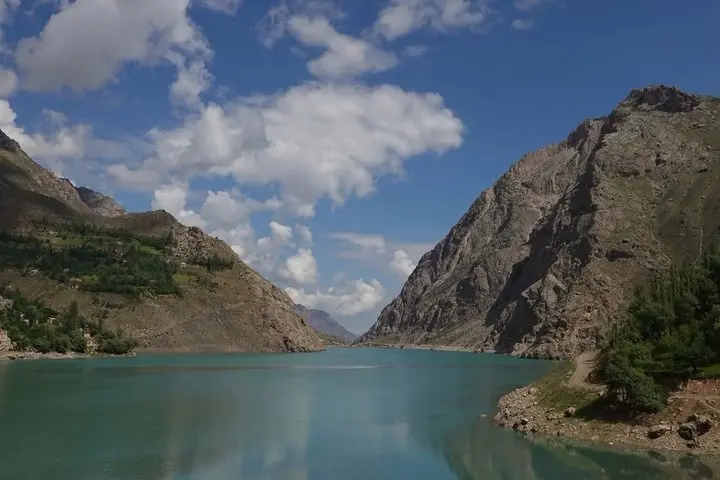
The bus pulls away from Samarkand before sunrise and the city’s mosaic domes blur into the soft geometry of fields. By midmorning, asphalt gives way to hairpin roads that climb into a different sky—one thinner and clearer, the air rinsed by snowmelt. When you first catch sight of the lakes, they appear like a string of glass beads threaded across a green cradle: turquoise, teal, and the deep blue of weather and depth. The water sits cool and sharp against the mountains; the world around it smells of pine resin and fried dough from a roadside chai stop.
This is the route less traveled out of Uzbekistan: a full-day, cross-border run into Tajikistan to visit the famed Haftkul, literally “Seven Lakes” in Persian-Tajik. The lakes are not one curated park but a cluster of high-altitude basins carved by glaciers and time, linked by streams that dare you to step closer. From Samarkand, the journey is a lesson in Central Asian geography—the Zeravshan and Gissar ranges fold into each other, and rock changes like a story turning a page. The mountains here are younger than the Himalaya but sharp enough to make careful hikers look twice at every ridge.
Haftkul’s appeal is equal parts scenery and culture. The small villages you pass feel lived-in, not staged: women stringing dried fruit, shepherds guiding flocks, and small stone houses that have held the same views for generations. The local lunch on this tour is often a home-cooked Tajik spread—plov, fresh herbs, and flatbread—served where the sky seems too wide for one table. Border formalities are handled by the tour operator, but the physical act of crossing—those stamps, the change in road quality, the language shift from Uzbek to Tajik—makes the day feel like a minor rite of passage.
Geologically, the lakes are the result of glacial sculpting and moraine dams. You’ll notice colors shift with depth and sediment: the shallower basins glow aquamarine, while the deep hollows are a patient indigo. Flora follows elevation bands—juniper and wild rose lower down, alpine meadows further up—while birds and the occasional ibex pick their paths on steeper slopes. In short bursts between stops, local guides point out plant uses, seasonal grazing patterns, and the architecture of village life, giving context beyond the postcard.
If you’re considering the trip, expect a long day of driving and several short walks rather than a multi-hour technical hike. The tour is designed to deliver sweeping viewpoints and lakeside strolls—ideal for photographers, curious travelers, and those who like to stack cultural encounters onto natural beauty. Practicalities matter: border-crossing paperwork, the vagaries of mountain weather, and the fact that cell service can evaporate once you climb above tree line. That uncertainty is part of the appeal; it nudges you toward one simple thing you can control—showing up with good footwear, plenty of water, and a calm sense of curiosity.
For photographers, the lakes offer foregrounds of wildflowers, reflective stillness at dawn, and mineral-streaked terraces for dramatic compositions. For hikers, the walks feel mercantile more than mountaineering—short ascents to overlooks and gentler paths along ridgelines. Culturally, the day is a reminder that borders here cut across interwoven histories; languages, foodways, and family ties often ignore lines on a map.
Ready to go? Book with an operator that handles cross-border logistics and carries a local guide. Your passport is essential, and visa rules vary by nationality—this is not a trip to improvise at the crossing. Comfortable hiking shoes, a waterproof layer, and snacks will keep you moving when the schedule tightens. Because the route moves fast, pack light but smart: sunscreen, a refillable water bottle, and a small first-aid kit will repay you more than an extra sweater in your main bag.
The day ends with the bus easing back down toward the plains and Samarkand’s familiar domes reappearing as dusk thins. You’ll return with images—glass lakes, a morning tea shared with a villager, the taste of plov still on your tongue—and a clearer picture of Central Asia’s layered past and present. It’s a long day, but it’s the kind of travel that accumulates: a series of small, true moments stitched together by the road.
For practical bookings and a detailed itinerary, see a trusted local operator who specializes in cross-border day trips: <a href="https://app.advcollective.com/local-experts/tajikistan-seven-lakes-day-trip-from-samarkand-cross-border-alpine-lakes-village-hike">Tajikistan Seven Lakes day trip from Samarkand</a>. If you want a photo-focused or slow-paced version, search for departures that emphasize extra time at each lake or private guides who can adapt the route for hikers, families, or photographers.
Trail wisdom
Small choices, better day.
Bring Your Passport and Copies
The tour crosses an international border—carry your passport, visa if needed, and printed copies for the guide.
Layer for Mountain Weather
Temperatures swing quickly; pack a windproof shell and a warm midlayer for lakeside breezes.
Carry Extra Water and Snacks
Mountain stops may not always have services—bring at least 1–2 liters and energy snacks for the day.
Respect Local Customs
Dress conservatively in villages and ask before photographing people; small gestures go a long way.
Local knowledge
Read the place, not just the route.
Watch for native species including Eurasian griffon vulture, Mountain ibex or wild goats.
Keep an eye out for wildlife during the transition between areas and habitats. Respect distance guidelines.
Stick to established paths, avoid swimming in fragile alpine basins, and support local guides who practice low-impact tourism.
Follow the guide's instructions on size limits, ethical handling, and leave-no-trace practices.
A short ridge walk above the uppermost lake for a wide panorama. Small village tea-stops where locals sell dried apricots and hand-knotted textiles
Locally recommended viewpoints and quiet spots known best to local operators.
The lakes sit within a landscape shaped by ancient trade routes and pastoral life; Persian and Turkic cultures have overlapped here for centuries.
Maritime roots and regional tradition shape the waterways and working coasts.
Seasonal guide
Four versions of the same landscape.
Spring
Best forWildflowers · Cool hiking · Fewer crowds
ChallengesSnow on higher trails · Variable road conditions
Spring brings melting snow and vibrant alpine blooms; expect some lingering snow patches and muddy tracks.
Summer
Best forWarm weather · Full access to lakes · Clear photography conditions
ChallengesHigher visitor numbers · Some afternoon thunderstorms
Summer is the most accessible season with warm days and open routes—ideal for photographers and those who want maximal lake access.
Fall
Best forCrisp light for photos · Fewer crowds · Migrant birdwatching
ChallengesColder mornings · Shorter daylight hours
Autumn offers crisp air and striking light; bring warm layers for chilly mornings by the water.
Winter
Best forSnow-scape photography · Solitude
ChallengesRoad closures · Tour cancellations · Difficult border crossing
Winter is usually impractical for day-trips—the lakes may be snowbound and access routes closed.
Operator details
What the booking data adds.
Included
- ✓Local village visit
- ✓Bottled water
- ✓Lunch
- ✓Hiking opportunity between the lakes
- ✓Air-conditioned vehicle
- ✓Sightseeing day trip to Tajikistan
- ✓Experienced Guide and Driver English / Russian speaking
Not included
- —Personal expenses
- —Insurance
Good to know
- ✓Public transportation options are available nearby
- ✓Infants are required to sit on an adult’s lap
- ✓Not recommended for travelers with poor cardiovascular health
- ✓Suitable for all physical fitness levels
Pack with intention
What to bring.
Good to know
Common questions.
Visa requirements depend on your nationality—many travelers require a visa; the tour operator typically assists with paperwork but confirm in advance.
Plan the edges
The details that make the day easier.
"Haftkul" means "Seven Lakes" in Persian/Tajik—a name used for several lake systems across Central Asia, reflecting the region's Persianate linguistic heritage.
Return to Samarkand and head to Siab Bazaar for fresh bread and tea, or find a chaikhana serving plov and bowls of green tea—perfect ways to round out a day of high-country air.
- Closest airport
- Samarkand International (SKD); Typical driving distance: 200–300 km round trip; Cell service: intermittent above tree line; Permits: passport and possible Tajik visa—operator usually handles border paperwork.
This route runs through sensitive alpine ecosystems—pack out trash, avoid entering fragile shoreline vegetation, and hire local guides to ensure tourism benefits nearby communities.
Explore by topic
Follow the threads.
Keep exploring
Make the story part of the trip.
 Related story
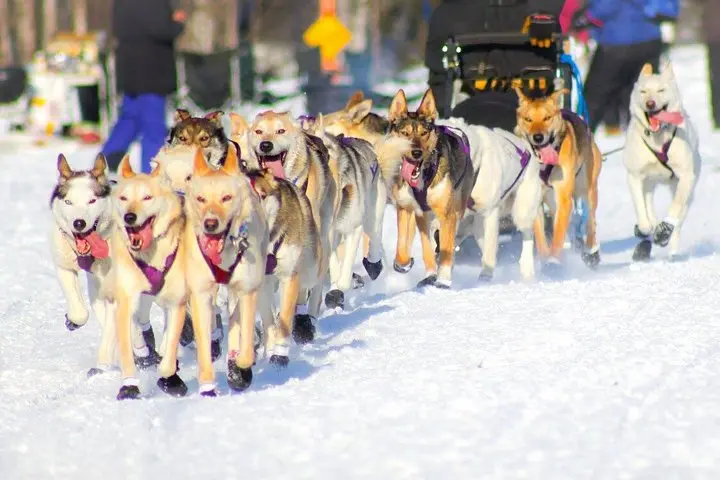
Compress the classics of Alaskan winter into a single weekend: dog sleds across frozen lakes, a snowmobile backcountry transfer, private cabins and nightly aurora hunts. This is an immersive, comfortable entry into the Iditarod world.
 Related story
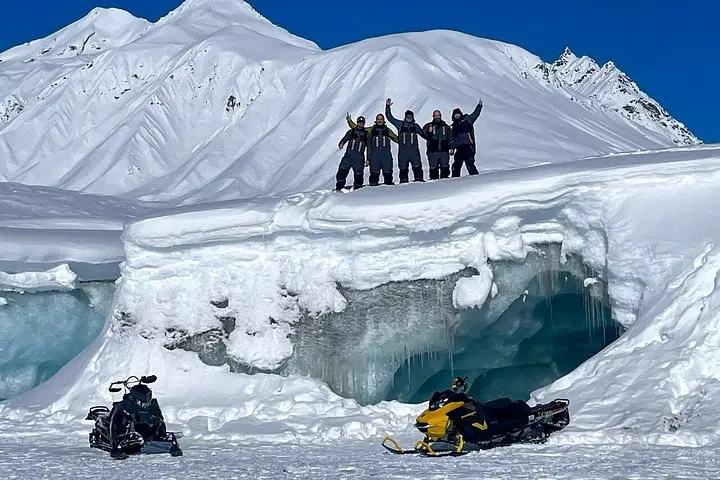
Three days, guided snowmobiles, and a base at Alpine Creek Lodge—this expedition mixes backcountry thrills with lodge-side comforts as you ride toward the Maclaren Glacier and the raw winter of the Denali Highway.
 Related story
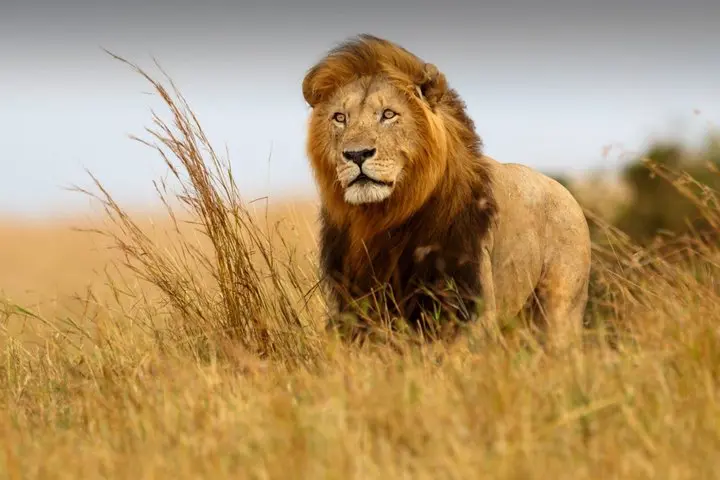
From Robberg’s wind-scoured cliffs to cave chambers and an open 4x4 game drive, this five-day Garden Route loop packs seaside hikes, whale watching and wine into one efficient, well-paced adventure.