
What the day feels like
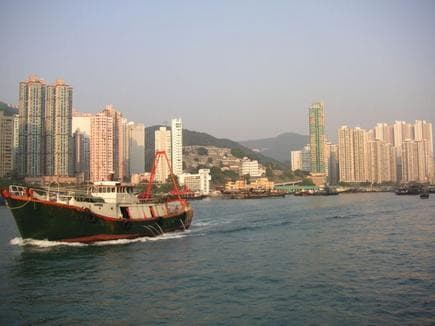
The harbor breathes with a gentle, tidal patience. From the deck of a weathered sampan, the city’s mirrored glass—Victoria Harbour distant and the jagged silhouette of Victoria Peak behind you—feels like a modern mural stretched over an age-old scene. In Aberdeen Harbour, the low-hung laundry of daily life belongs to fishermen and boat families who navigate narrow channels between floating restaurants, anchored junks and sleek private yachts. A bell rings. The oars dip. The sampan pushes off and the harbor, with its soft clatter of rigging and the distant hum of traffic, becomes a living postcard.
This is Hong Kong’s harbor in miniature: a place where maritime history, working seascape, and leisure tourism fold together. Aberdeen’s name appears on colonial-era charts as a sheltered cove favored by local boat people—the Tanka—who lived and worked on the water for generations. The harbor’s geography is simple but crucial: a protected basin tucked beneath the steep hills of the island’s south side, formed by tidal flows and hardened by human industry into a typhoon shelter that has buffered fleets for more than a century. You’ll notice the bark of fishermen greeting each other, lanterns tied to bamboo poles, and the odd seagull entering into negotiations over fish offal—these are not theatrical props but parts of an ecosystem and economy still in motion.
Aberdeen’s modern personality arrived in layers. In the 1970s and 1980s, floating seafood restaurants—most famously the Jumbo Floating Restaurant—drew tourists and local diners alike to sit above the water for dim sum and dramatic light shows. Today, many organized tours use Aberdeen as a cultural waypoint: bookable morning island tours that pair Peak Tram and Sky Terrace access with a sampan ride through the village, afternoon coach tours that include dinner cruises on the Harbour Cruise Bauhinia, or private excursions that let you linger at Stanley Market after watching the harbor’s tides roll through.
On the water, experiences here are simple, tactile and immediate. Sampan rides are best for close observation: watch how nets are dried on deck, see stilt houses still moored against concrete seawalls, and read the language of hull paint and knots—every repair tells a season’s worth of stories. Larger boat options—Harbour Cruise Bauhinia dinner cruises, private yachts, and chartered vessels—reshape the same landscape into an evening of lights and skyline spectacle. The contrast is part of Aberdeen’s draw: luxury vessels gliding past wooden skiffs, modern glass towers reflected beside weathered brass cleats.
To plan it right, think of Aberdeen as a half-day cultural seam that pairs easily with other Island highlights. A typical morning might begin with a Peak Tram ascent to Sky Terrace for sweeping views, followed by a descent into Wan Chai and a coach transfer to Aberdeen. A morning tour that includes a sampan ride gives you 30–45 minutes on the water—enough to orient and photograph without fuss. For a slower, more sensory visit, reserve an afternoon or evening cruise: the Harbour Cruise Bauhinia’s buffet and skyline vantage are excellent at dusk, when lights begin to define the harbor’s planes.
Practicalities matter. Sampans are wet and low; wear shoes that can get damp and bring a lightweight shell if the forecast threatens rain. If you head out for a floating-restaurant meal, check current operating status—floating venues have changed ownership and availability over recent years. Book tours that include pickup from your hotel if your time is limited; the city’s roads funnel traffic south and saves time when transfers are arranged.
Respect the living harbor. The people of Aberdeen have fished, repaired, and traded here for generations. Ask before you photograph private boats or family clusters. Choose operators that manage waste and avoid single-use plastics—tourism here can either bolster local livelihoods or erode them.
Who should go? Urban travelers who want a tactile counterpoint to Hong Kong’s skyline, families curious about maritime culture, and photographers who prize reflective water at dawn or dusk will find Aberdeen especially rewarding. Walk slowly along the promenade, accept a short sampan ride, and let the harbor’s rhythm—boats grinding against wooden piles, gulls negotiating the tide—settle your pace. The result is less a single postcard image than a layered understanding: of a harbor that still catches both living tradition and modern spectacle in its nets.
Trail wisdom
Small choices, better day.
Choose a morning or dusk ride
Light is best for photos and harbor activity—mornings show fishermen at work, dusk lights up the skyline for dramatic contrasts.
Bring waterproof footwear
Sampans are low to the water and decks can be wet; slip-resistant shoes keep you steady.
Ask before you photograph people’s boats
Many boat homes are still private—request permission to photograph families or personal vessels respectfully.
Bring cash for small purchases
Local boat vendors and small seafood stalls may not take cards—HKD notes and coins are handy.
Local knowledge
Read the place, not just the route.
Watch for native species including egrets and herons, cormorants and tidal shorebirds.
Keep an eye out for wildlife during the transition between areas and habitats. Respect distance guidelines.
Harbour cleanup efforts and sustainable seafood campaigns have gained traction—choose operators that minimize waste and support locally sourced fish to help preserve the harbor.
Follow the guide's instructions on size limits, ethical handling, and leave-no-trace practices.
Ap Lei Chau waterfront promenade for quiet sunset views. Small seafood stalls around Aberdeen Main Street with fresh catches off the day
Locally recommended viewpoints and quiet spots known best to local operators.
Aberdeen has been a Tanka fishing village for centuries and developed into a colonial-era typhoon shelter that supports both working boats and floating restaurants.
Maritime roots and regional tradition shape the waterways and working coasts.
Seasonal guide
Four versions of the same landscape.
Spring
Best formild weather · birdwatching · boat tours
Challengesoccasional rain · hazy days
Spring brings moderate temperatures and active harbor life—good for strolls and sampan rides, though occasional showers arrive with frontal systems.
Summer
Best forlong daylight hours · evening cruises · seafood dining
Challengeshot, humid conditions · typhoon season risk
Summer is warm and vibrant but expect humidity and the potential for typhoon warnings—monitor forecasts and book flexible tours.
Fall
Best forclear views · comfortable weather · photography
Challengescrowds on holiday weekends · strong sun mid-day
Autumn offers the clearest skies and most pleasant temperatures—ideal for skyline views and extended harbor outings.
Winter
Best forcrisp air · dinner cruises · less humidity
Challengescooler nights · some vessels close for maintenance
Winters are mild and dry by northern standards, making evening cruises comfortable; check for seasonal schedule changes on floating venues.
Pack with intention
What to bring.
Good to know
Common questions.
Most organized tours include a 20–45 minute sampan ride—long enough to see floating houses, stilted structures and local harbor life.
Plan the edges
The details that make the day easier.
Aberdeen has been home to the Tanka boat people for centuries; the Tanka traditionally lived and worked from boats rather than shore-based villages.
Taste Aberdeen’s seafood heritage at small harborside stalls or a dim-sum lunch—orders are often fresh from the day’s catch and reflect Cantonese waterfront cooking.
- Getting there
- taxi or tour pickup; Typical visit length: 1–3 hours; Bookings: reserve sampan rides
- cruises in advance; Currency
- HKD; Language: Cantonese
Choose tour operators committed to waste reduction, avoid single-use plastics on board, and respect private boat communities when photographing or touring.
Explore by topic
Follow the threads.
Keep exploring
Make the story part of the trip.
 Related story
Less than two hours from Nairobi, Kereita Forest pairs hands-on canopy adventure with quiet montane trails and a sobering colonial history—perfect for families, teams, and curious travelers seeking a full-day pulse of nature.
Set out from Bass Harbor for a private, customizable day on Blue Hill Bay — lighthouses, puffins, seals, and the chance to feel Acadia from the water. Small groups, local captains, unforgettable views.
In four hours you can move from shaded canyon ferns to wind-scoured coastal ridgelines, guided by someone who knows where the light—and the hidden views—live. This private half-day hike on the Monterey Peninsula or Big Sur is compact, curated, and perfect for travelers who want depth without a multiday commitment.