
What the day feels like
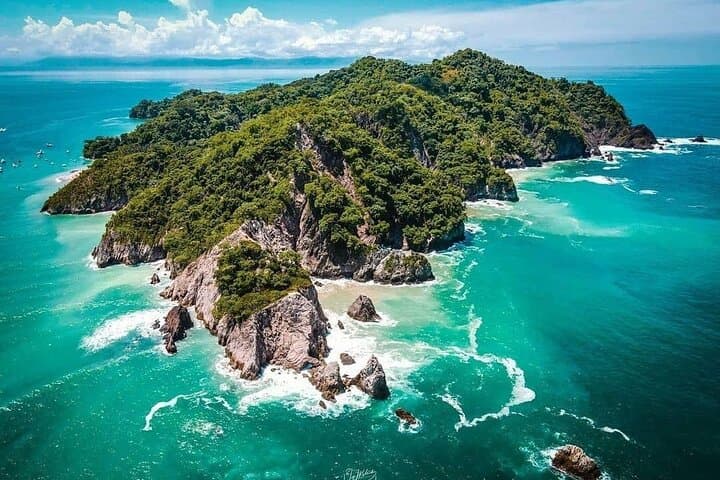
The catamaran rocks into a steady, sunlit rhythm as Puntarenas slides astern: corrugated roofs and the narrow sweep of the port dissolve into a strip of blue so pure it seems edited. Ahead, 12 nautical miles of Pacific draw you toward a small, bright fist of sand—Isla Tortuga—whose shores are ringed by waves and seabirds. Onboard, the hum of the engine is punctuated by laughter, the crisp snap of a camera strap, and the scent of tropical fruit laid out on a lacquered table. It feels indulgent and elemental at once: the kind of day that asks nothing of you but presence.
Tortuga Island is not a secret. It’s a deliberately preserved one: a 120-hectare patch of forest and beaches that carries Costa Rica’s Ecological Blue Flag, a certification that signals clean water and active conservation. The island sits in the Central Pacific, within the Gulf of Nicoya’s wide embrace, and its geology is straightforward—coastal uplift and alluvial sand—yet the place reads as a microcosm of the country’s conservation ethos. Mangrove fringes, scrubby forest and dunes meet a nearshore matrix of coral, where patches of hard and soft coral shelter reef fish and the occasional curious parrotfish.
History here is less about human monuments and more about relationship: fishermen and scallop gatherers long used the Gulf, and modern tourism has been married to protection efforts. The Blue Flag isn’t decorative; it’s the result of municipal and community work to keep pollutants out and to manage visitor impact—an everyday reminder that this island functions best when people arrive as temporary guests, not permanent fixtures.
The rhythm of the day is simple and generous. You board a well-appointed catamaran in Puntarenas, sip on natural fruit drinks as the shoreline recedes, and keep an eye out for frigatebirds and brown pelicans cutting the wind. Dolphins are a common, charismatic interruption; on a good crossing they will spool and arc alongside the hull. The boat anchors in a protected cove and you get a few hours to parse the island: swim in shallow, warm water; snorkel a reef that’s sheltered and beginner-friendly; walk under the shade of coastal forest and find solitude for a stretch of sand that feels yours for the afternoon.
On the practical side, this is a full-day affair—expect a 12 to 13 hour window from pick-up to drop-off if you originate in the Central Valley. The drive from San José to Puntarenas weaves through mountain and coastal plain and is part of the day’s arc: urban morning, green highlands, then salt air. For travelers, that long day is both a benefit and a logistical note. It means you watch the landscape change and you get ample beach time; it also means planning around tides, sun exposure and a respectable appetite.
If you come for snorkeling, bring or rent reef-safe sunscreen and a mask you trust; the nearshore reef is friendly but visibility varies with weather and currents. If you want to linger in shade, follow the footpaths into the island’s protected forest—the Blue Flag works in part because visitors respect those trails. Lunch is a beachside affair: fresh, local produce, grilled fish or chicken, rice and plantains—simple, satisfying and bordered by a view that insists you slow down.
Why travel here? Tortuga is an uncomplicated day with high returns: accessible wildlife encounters, reliable swimming and snorkeling, and a coastal drive that frames a Costa Rica you don’t quite get in a one-hour hop from the airport. Families and casual adventurers will appreciate the gentle reef and the soft sand; photographers will like the lattice of light under mangroves and the contrast between white beach and deep Pacific; ecotourists will value the island’s protected status and the operator’s conservation messaging.
Practical details matter. Tours typically depart early from Puntarenas, and the full-day nature of the trip means you should budget for a long, sun-heavy outing. Footwear that can handle a boat deck and a beach is useful, and hydration is non-negotiable—bring more water than you think. Respect the island’s rules: no single-use plastics, no missing trail markers, and no touching of coral or wildlife. The best tours balance comfort with stewardship: a clean catamaran, clear safety briefings, and guides who frame the island’s ecology rather than just its Instagram moments.
For planners, the cost is straightforward and fair: current pricing from local operators starts around the mid-hundreds (USD), which typically includes transport from the Central Valley, onboard refreshments, lunch, and guided time ashore. Bookings often confirm instantly, but pick operators who emphasize small group size and ecological practices.
Tortuga Island gifts a day of uncomplicated pleasure without asking you to be a naturalist to appreciate it. You come for sand and swim, and leave with an impression of how the Pacific’s edges can be both playfully immediate—dolphins, sun-warm water, wind-in-your-hair—and carefully managed. In the end, a day here feels like a compact lesson in why Costa Rica’s tourism model leans so heavily on conservation: the more carefully you visit, the more generously the place gives back.
Trail wisdom
Small choices, better day.
Start early
Morning departures avoid heavy afternoon winds and make the most of calm waters for snorkeling.
Use reef-safe sunscreen
Protect coral and your skin—apply sunscreen before boarding and reapply with a towel-dry method.
Secure motion-sensitive gear
Bring a simple dry bag for phones and cameras; the catamaran deck can get wet when docking or during waves.
Respect marked trails
Stay on established paths in the protected forest to avoid disturbing nesting birds and dune vegetation.
Local knowledge
Read the place, not just the route.
Watch for native species including Frigatebird, Bottlenose dolphin.
Keep an eye out for wildlife during the transition between areas and habitats. Respect distance guidelines.
The island’s Ecological Blue Flag recognizes water quality and active conservation; visitors are encouraged to carry out all trash and avoid touching coral.
Follow the guide's instructions on size limits, ethical handling, and leave-no-trace practices.
Short, shaded footpaths through the island’s protected forest where shorebirds gather early morning. A shallow sandbar on the island’s leeward side that reveals tiny tide pools at lower tide
Locally recommended viewpoints and quiet spots known best to local operators.
Tortuga Island has long been part of local fishing routes and is now managed with municipal and community support to preserve its coastal ecosystems.
Maritime roots and regional tradition shape the waterways and working coasts.
Seasonal guide
Four versions of the same landscape.
Spring
Best forDry weather and calm seas · Good snorkeling visibility
ChallengesHigher visitor numbers · Stronger sun exposure
Spring (March–May) often brings calm seas and clear snorkeling conditions—expect more crowds and bright sun.
Summer
Best forWarm water swims · Long daylight hours
ChallengesIntermittent afternoon showers · Increased plankton affecting visibility
Summer offers warm water and long days but occasional rain showers that can reduce reef visibility.
Fall
Best forFewer crowds · Dolphin and birdwatching opportunities
ChallengesVariable weather and occasional swell · Some operators reduce runs late season
Fall sees smaller crowds and excellent wildlife viewing, though weather can be less predictable.
Winter
Best forPeak dry season access · Stable sea conditions December–February
ChallengesHigh season pricing · Book well in advance
Costa Rica’s dry season brings reliable conditions and busy boat decks—ideal for clear, comfortable beach days.
Operator details
What the booking data adds.
Included
- ✓Lunch
- ✓Breakfast
- ✓Air-conditioned vehicle
- ✓Catamaran
- ✓Guía Bilingüe
Good to know
- ✓Infants are required to sit on an adult’s lap
- ✓Suitable for all physical fitness levels
Pack with intention
What to bring.
Good to know
Common questions.
The crossing is about 12 nautical miles and typically takes roughly 1–2 hours depending on sea conditions.
Plan the edges
The details that make the day easier.
Tortuga Island’s 120-hectare protected forest has been awarded Costa Rica’s Ecological Blue Flag for clean waters and active conservation efforts.
After the trip, head to Puntarenas for seaside sodas and fresh ceviche at local fish stalls where fishermen sell daily catches; or return to San José to sample Mercado Central’s casual sodas and a local craft brewery for a cold, tropical ale.
- Closest airport
- Juan Santamaría International Airport (SJO). Driving distance: ~1.5–2 hours from San José to Puntarenas. Cell service: reliable to Puntarenas, limited on the island. Permits: none required for day visitors; operator-led conservation rules apply.
Tortuga Island is part of a local conservation program (Blue Flag). Pack out all trash, avoid single-use plastics, choose reef-safe sunscreen, and follow marked trails to protect nesting birds and fragile dune vegetation.
Explore by topic
Follow the threads.
Keep exploring
Make the story part of the trip.
Set out from Bass Harbor for a private, customizable day on Blue Hill Bay — lighthouses, puffins, seals, and the chance to feel Acadia from the water. Small groups, local captains, unforgettable views.
In four hours you can move from shaded canyon ferns to wind-scoured coastal ridgelines, guided by someone who knows where the light—and the hidden views—live. This private half-day hike on the Monterey Peninsula or Big Sur is compact, curated, and perfect for travelers who want depth without a multiday commitment.
 Related story
Beneath a sky of shifting light, Skaftafell’s ice reads like a map of time. This three-hour guided glacier hike mixes technical instruction with geology and culture: compact, safe, and unforgettable.