
What the day feels like
You set out before the park wakes—headlights cutting through a chill that still smells faintly of sage and early steam. The bus hums down U.S. 20 out of West Yellowstone and the landscape loosens into a place that seems to breathe on its own: pines that line the road like old sentries, meadows where fog clings low, and distant sulfur-scented clouds rising where the earth insists on being alive. This is a day on the <a href="https://app.advcollective.com/local-experts/explore-yellowstone-national-park-lower-loop-full-day-guided-tour">Lower Loop of Yellowstone National Park</a>, a compact swing through geysers, canyon rims, and the kind of wildlife sightings that make you lower your voice and suddenly feel like a careful guest in someone else’s living room.<!--more--> The itinerary is brisk—8 to 9 hours—so the rhythm of the day is a steady alternation of short hikes, scenic stops, and binocular-guided pauses where a ranger’s whisper of distance tells you a bison herd or a grizzly may be near.
Geology here is not a backdrop; it’s the main character. The Lower Loop is braided by the caldera of a supervolcano, and everywhere you look the landscape is a record of heat and water working over eons. Geysers and hot springs roar and hiss, rhyolite cliffs split open to reveal the Grand Canyon of the Yellowstone, and the river—braided, fretting, then plunging—seems at once patient and impatient. Cultural history threads through this too: Indigenous peoples have been stewards of these valleys for millennia, and the park’s designation in 1872 made Yellowstone the world’s first national park, a radical experiment in public land protection whose contours still inform our conversations about access, wildlife management, and tourism.
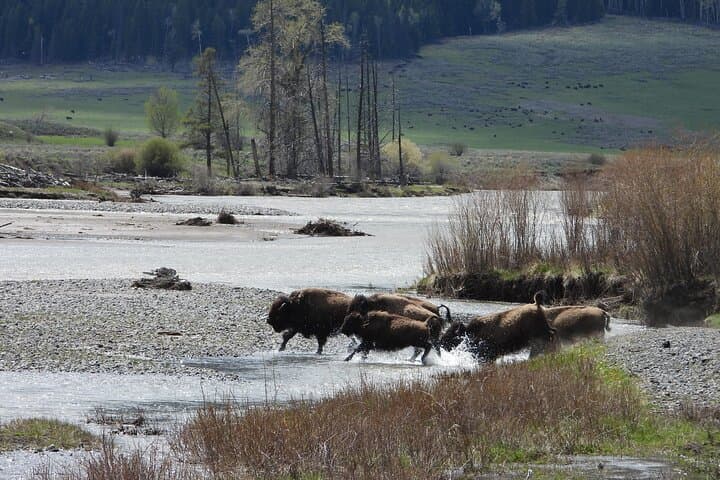
A guided lower-loop day trip does a lot of the logistical thinking for you. Your guide times views to catch Old Faithful’s predictable theatrics while leaving space for the unexpected: a lone wolf at dawn, a band of bison trudging across a hill like living drifts, or the moment you round a bend and the canyon opens to reveal the two-tiered thunder of Lower Falls. The tour includes park entrance fees, a light breakfast, lunch, and binoculars for shared wildlife watching—small conveniences that matter on a long day in a busy national park.
Practically speaking, this is a do-able day for anyone with moderate fitness. You’ll step on and off the vehicle, walk boardwalk loops around thermal basins, and take a couple of short, steep viewpoints up to canyon rims. The terrain changes fast: the boardwalks around geyser basins are flat and extruded wood, while canyon viewpoints can be rocky and uneven underfoot. Weather changes fast too; what starts as a crisp morning can become an afternoon of sun or wind. For photographers and wildlife enthusiasts, timing is everything—early and late windows bring better light and often more animals.
Why go on a guided Lower Loop tour rather than drive yourself? The guide amplifies what you’ll see—pointing out geothermal dynamics, reading tracks, and knowing where to position for the best angle on a sunset-lit waterfall. They also manage the practicalities of parking and timing at popular sights, so your day flows rather than bottlenecks. For first-timers or people with limited time, it’s an efficient way to sample iconic Yellowstone features—Old Faithful, the geyser basins, the Grand Canyon of the Yellowstone—without the stress of route planning.
That said, good preparation makes the day better. Wear layered clothing, bring a refillable water bottle, and pack a lightweight windproof shell. A pair of binoculars and a telephoto lens will pay off in spades; a steady tripod is a nice-to-have if you’re chasing long-range wildlife shots or the mist-softened light around the falls. Respect the park’s rules: stay on marked boardwalks in thermal areas and keep a minimum distance from all wildlife—these are not scenery props and can be dangerous if harassed.
By twilight you’re back in West Yellowstone with a day’s worth of impressions: the high, clean smell of steam, the sudden hush when a wolf call cuts the air, the canyon’s roaring confirmation that water and rock have long conversations. A Lower Loop day like this doesn’t just check boxes; it re-teaches you how big time feels. If you want a compact, expertly guided immersion into the defining features of America’s first national park, this tour is designed to deliver it—efficiently, responsibly, and with room for the unexpected moments that make the trip memorable. Book the <a href="https://app.advcollective.com/local-experts/explore-yellowstone-national-park-lower-loop-full-day-guided-tour">Lower Loop full-day guided tour</a> from West Yellowstone if you want the most accessible, narrative-driven way to see Old Faithful, the Grand Canyon of the Yellowstone, and the park’s signature wildlife in a single day.
Trail wisdom
Small choices, better day.
Layer for variable weather
Temperatures can swing quickly; pack a breathable base layer plus an insulated midlayer and windproof shell.
Bring binoculars
Shared binoculars are provided, but your own set (8–10x) improves wildlife spotting and composition for photos.
Respect thermal areas
Stay on boardwalks and trails—thermal features are fragile and dangerous off-path.
Hydrate and snack
An 8–9 hour day requires at least 1–2 liters of water and compact snacks to maintain energy between stops.
Local knowledge
Read the place, not just the route.
Watch for native species including Bison, Gray Wolf.
Keep an eye out for wildlife during the transition between areas and habitats. Respect distance guidelines.
Visitors should stay on boardwalks and trails to protect thermal features and fragile soils; maintain safe distances from wildlife to reduce stress and the risk of habituation.
Follow the guide's instructions on size limits, ethical handling, and leave-no-trace practices.
Early-morning boardwalk loops around lesser-known thermal basins for intimate steam-and-color shots. Short detours to quiet pullouts along the Madison River for potential elk and bird sightings
Locally recommended viewpoints and quiet spots known best to local operators.
Yellowstone was designated the world’s first national park in 1872, establishing a global model for protected public landscapes.
Maritime roots and regional tradition shape the waterways and working coasts.
Seasonal guide
Four versions of the same landscape.
Spring
Best forBear emergence and elk calving · Fewer crowds at popular stops
ChallengesUnpredictable road or trail closures · Cold mornings and lingering snow
Spring brings wildlife activity and melting snow; expect cool, changeable weather and possible limited access to some pullouts.
Summer
Best forFull access to Lower Loop highlights · Reliable daylight for photography
ChallengesPeak crowds at Old Faithful and canyon viewpoints · Hot midday sun and limited parking
Summer delivers the most complete access and steady schedules, but arrive early at popular sites to avoid crowds.
Fall
Best forCrisp light and fall colors · Strong wildlife viewing as animals prepare for winter
ChallengesShorter daylight hours · Cooler nights and early snow at higher elevations
Early fall balances thinner crowds with vivid landscapes and active wildlife—often the best all-around time for a day tour.
Winter
Best forSnow-clad thermal contrasts · Calmer, more intimate wildlife viewing on specialized trips
ChallengesMost roads on the Lower Loop close to private vehicles · Requires specialized winter transport/tours
Winter’s dramatic contrasts are unforgettable, but access requires snowcoaches or guided winter-specific services rather than a standard full-day loop.
Operator details
What the booking data adds.
Included
- ✓Hotel pickup and drop-off at select West Yellowstone area lodgings
- ✓Bottled water
- ✓National Park fees
- ✓Muffins & pastries
- ✓Expertise of a local guide
- ✓Turkey & Provolone, Ham & Swiss, Roast Beef & Cheddar OR Veggie Sandwich On Sourdough, Wheat, or Gluten Free Bread
Not included
- —Gratuities (commonly 15-20%)
- —Animals Not Permitted
- —Non-US Residents Park fee - 100 USD per person, per Park.
Good to know
- ✓Infants and small children can ride in a pram or stroller
- ✓Suitable for all physical fitness levels
- ✓Involves a moderate amount of walking
- ✓Operates rain or shine; please dress accordingly
- ✓Minimum age is 6 years. Private Tours can be arranged with younger children.
- ✓Lunch: please write in 'Special Requirements' box what each traveler would like: Turkey, Ham, Roast Beef or Vegi sandwich on wheat or gluten-free bread.
- ✓No Animals of any kind are permitted on Tours, even service dogs.
- ✓Travel Insurance is highly recommended prior to your trip to Wyoming or Montana in case you have travel delays, flight cancellations, car trouble, family emergencies, illness or any other issue that causes you to miss your Tour. See the Tour Operator's website for more details.
Pack with intention
What to bring.
Good to know
Common questions.
The tour runs approximately 8–9 hours and includes park entrance fees, a light breakfast, lunch, binocular use, and guided stops at key Lower Loop highlights.
Plan the edges
The details that make the day easier.
Yellowstone was established as the first national park in the United States in 1872 and contains the largest concentration of geysers in the world.
After the tour, explore West Yellowstone’s visitor-oriented restaurants, cafes, and the Grizzly & Wolf Discovery Center for an educational complement to your field experience—look for local trout dishes and small breweries serving post-hike ales.
- Closest airport
- Bozeman Yellowstone International (BZN) ~90 miles (1.5–2 hours) by car; Starting point: West Yellowstone (walk-on or short drive to pickup); Cell service: spotty inside park—mostly reliable near gateways; Permits
- passes
- park entrance included in tour price.
This tour operates within a fragile geothermal and wildlife ecosystem—please stay on boardwalks, pack out all trash, and keep distance from wildlife to minimize human impact.
Explore by topic
Follow the threads.
Keep exploring
Make the story part of the trip.
 Related story
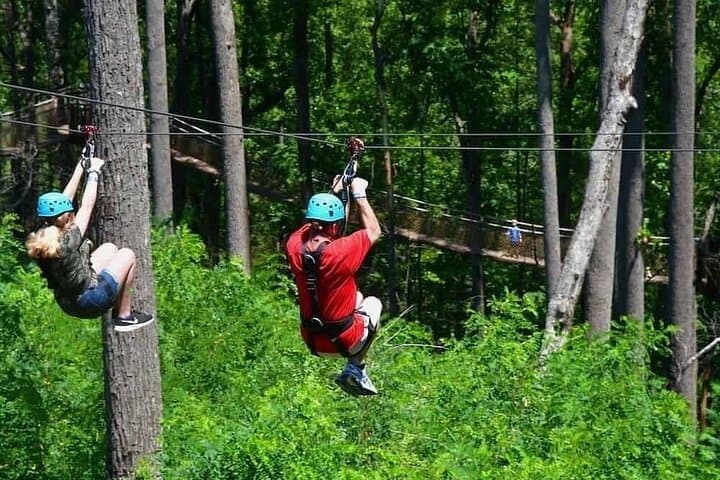
Less than two hours from Nairobi, Kereita Forest pairs hands-on canopy adventure with quiet montane trails and a sobering colonial history—perfect for families, teams, and curious travelers seeking a full-day pulse of nature.
Set out from Bass Harbor for a private, customizable day on Blue Hill Bay — lighthouses, puffins, seals, and the chance to feel Acadia from the water. Small groups, local captains, unforgettable views.
In four hours you can move from shaded canyon ferns to wind-scoured coastal ridgelines, guided by someone who knows where the light—and the hidden views—live. This private half-day hike on the Monterey Peninsula or Big Sur is compact, curated, and perfect for travelers who want depth without a multiday commitment.