About this landmark
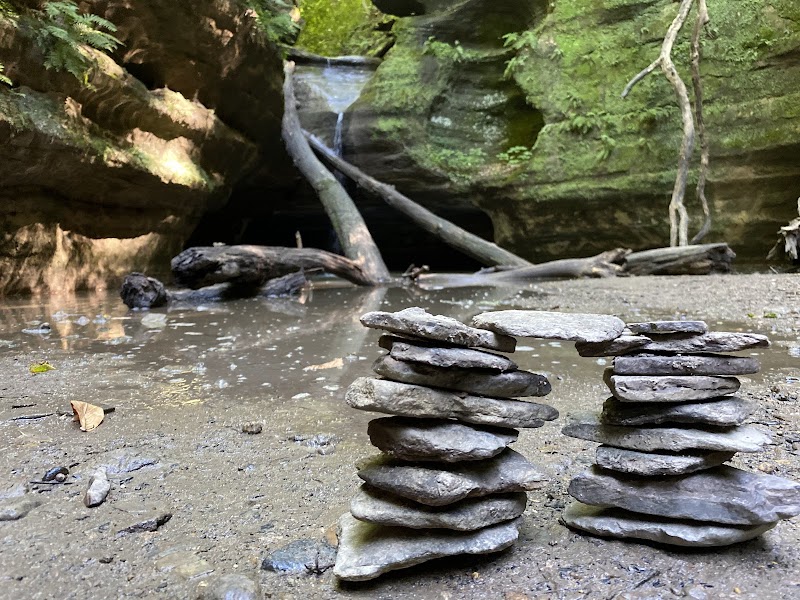
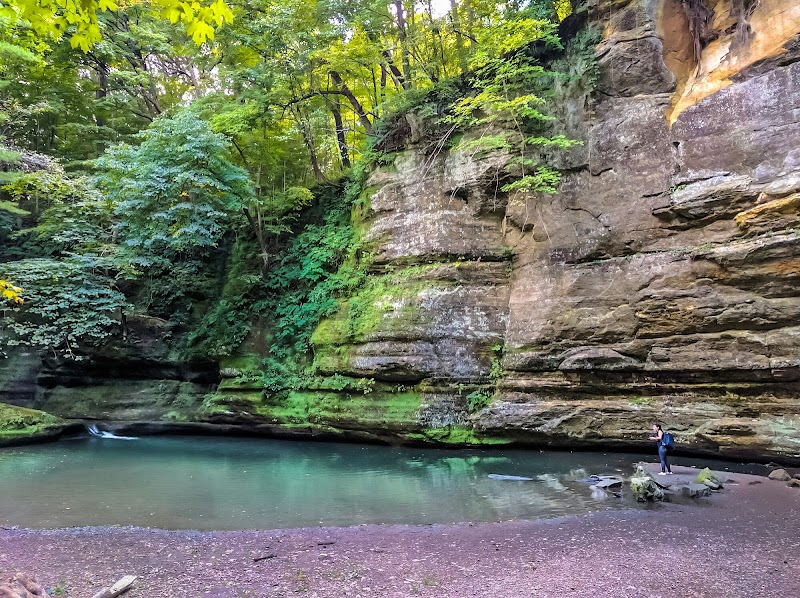
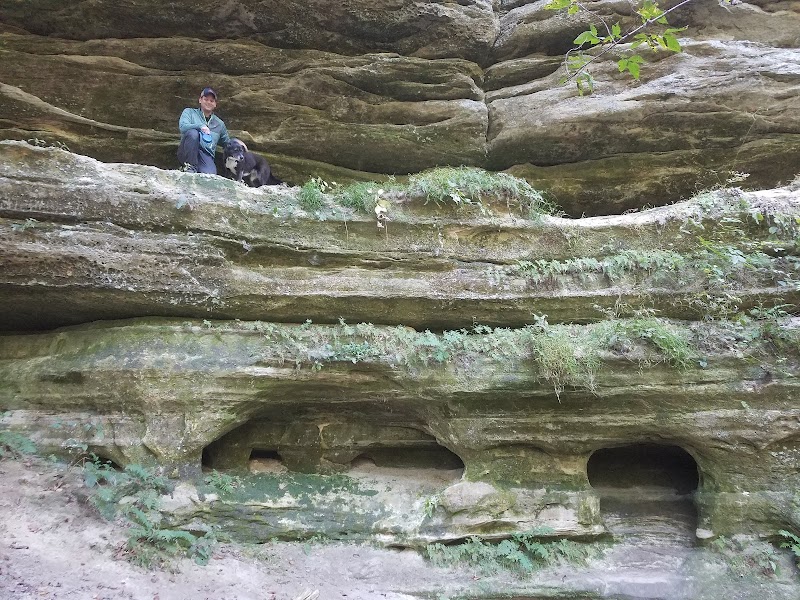
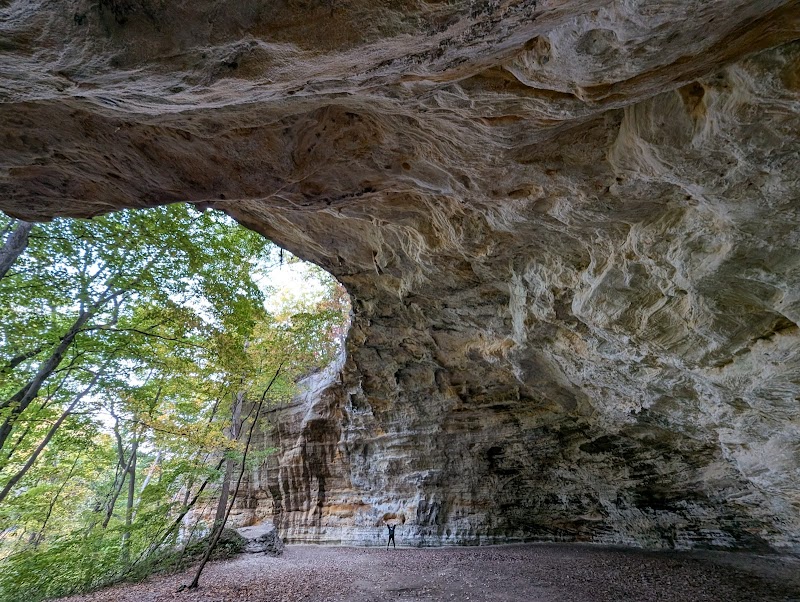
Ottawa Canyon Trailhead, located in the scenic region near Ottawa, Illinois, offers an enchanting gateway into nature's wonders. Known primarily for its unique sandstone formations and lush greenery, this area promises an immersive outdoor experience. Towering canyon walls carved by water over centuries create dramatic landscapes, perfect for photography and nature walks. The trailhead is part of the larger Starved Rock State Park, renowned for its stunning canyons and waterfalls. Visitors to Ottawa Canyon Trailhead can explore winding paths leading them through vibrant woodlands. In spring, wildflowers blanket the forest floor, adding bursts of color beneath the leafy canopy. This area is home to diverse wildlife, including deer, foxes, and a variety of bird species, making it a naturalist's paradise. Additionally, the park holds historical significance, with Indigenous peoples having inhabited the area for thousands of years. Numerous plaques and installations throughout the park offer insights into the cultural history of these lands. Whether seeking a peaceful stroll amidst nature, a rigorous hike, or a moment of tranquility listening to water cascade over ancient rocks, Ottawa Canyon Trailhead is an inviting destination. With its combination of geological wonders and rich history, visitors will find this site a standout in north-central Illinois.
Adventure Guide
Adventure Guide to Ottawa Canyon Trailhead
1. Hiking Through Ottawa Canyon
- What makes it special: Experience hiking through a beautifully carved canyon with towering sandstone walls.
- Features/Amenities: Well-maintained trails, informational signposts, and rest areas.
- Local Insights: Visit during springtime for blooming wildflowers and fall for vibrant foliage.
- Visitor Tips:
- Best times to visit: Spring and fall.
- What to bring: Comfortable hiking shoes, water, and a camera.
- Directions: From Ottawa, IL, head southeast to Starved Rock State Park, approximately 20 minutes by car.
2. Wildlife Watching
- What makes it special: The region is rich in biodiversity, offering opportunities to see deer, foxes, and diverse bird species.
- Features/Amenities: Viewing points and guided nature tours available.
- Local Insights: Early morning visits increase chances of wildlife sightings.
- Visitor Tips:
- Best times to visit: Early morning or late afternoon.
- What to bring: Binoculars and a field guide for local wildlife identification.
3. Photography at the Waterfalls
- What makes it special: Capture stunning images of waterfalls cascading over ancient rock formations.
- Features/Amenities: Designated viewing platforms for photographers.
- Local Insights: Visit after rain for the most dramatic waterfall scenes.
- Visitor Tips:
- Best times to visit: After a recent rain shower.
- What to bring: Tripod, waterproof camera bag, and snacks for the trip.
Visitor Tips
- Best Times:Spring and Fall for favorable conditions and optimal lighting.
- What to Bring:Plenty of water, sun protection, a camera, and respectful Leave-No-Trace mindset.