THE ADVENTURE COLLECTIVE® · Independent discovery and booking for outdoor travel

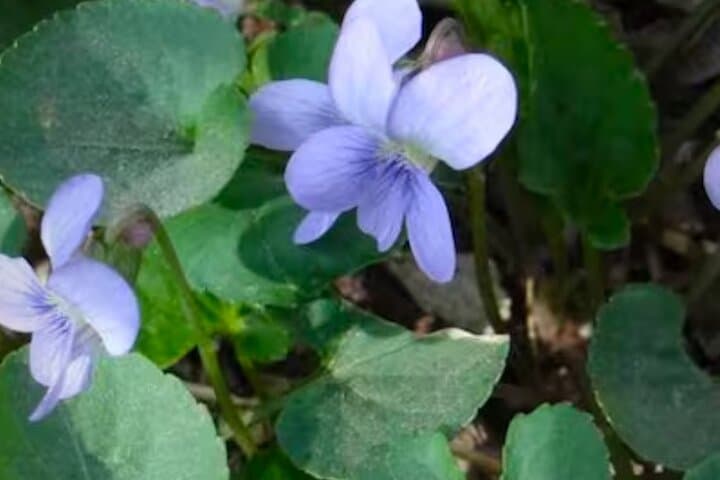
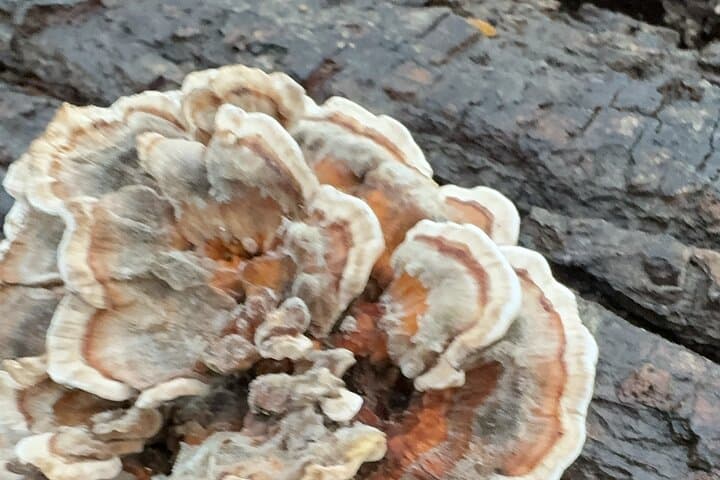
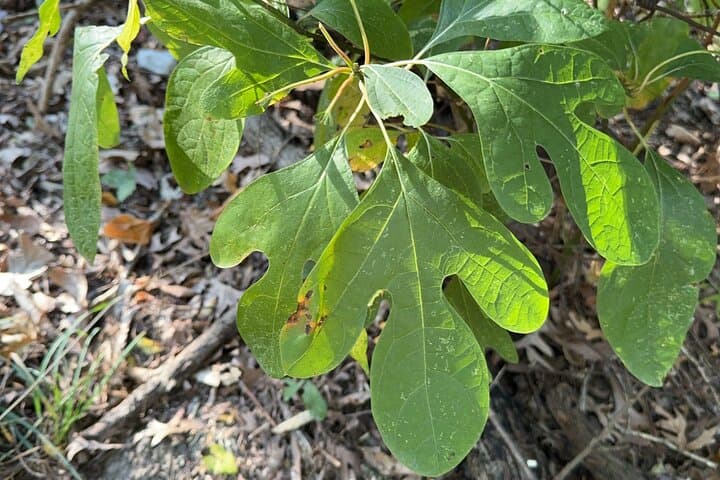
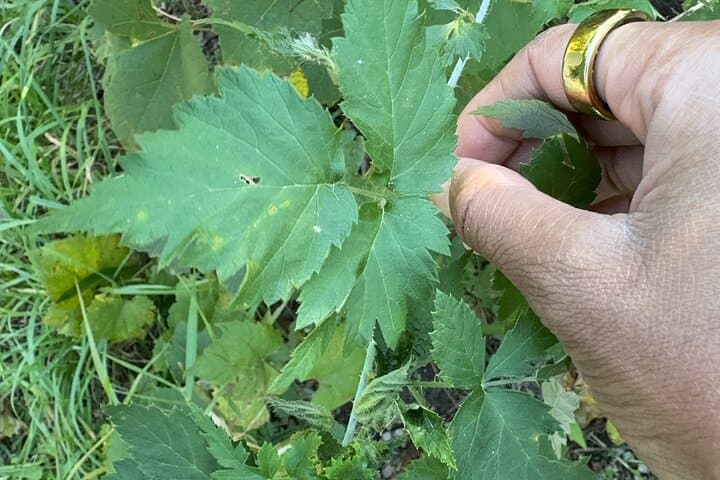
Learn to identify 20+ native edible and medicinal plants on a guided 5K through Oakhurst Forest Preserve. Two hours of field ID, seasonal insights and a digital wild-plant recipe.
Learn to identify 20+ native edible and medicinal plants on a guided 5K through Oakhurst Forest Preserve. Two hours of field ID, seasonal insights and a digital wild-plant recipe.
A cool morning gathers over the picnic shelter at Oakhurst Forest Preserve; dew beads on grass and the first notes of songbirds thread through a stand of oaks. Participants set off along a compact 5K loop, boots whispering on leaf litter as the guide kneels to point out a leaf or stem—each plant given a name, a history and a use.
Verified experiences and guided adventures in the surrounding area.
Operated by Lateefah Stanford · Aurora, Illinois
A cool morning gathers over the picnic shelter at Oakhurst Forest Preserve; dew beads on grass and the first notes of songbirds thread through a stand of oaks. Participants set off along a compact 5K loop, boots whispering on leaf litter as the guide kneels to point out a leaf or stem—each plant given a name, a history and a use.
This area sits on the Fox River valley, shaped by glacial deposits and riverine terraces that create shifting soils and a diversity of edge habitats. The land around Aurora has long been inhabited by Potawatomi and other Indigenous peoples who relied on native flora for medicine and food; later settlers farmed and preserved parcels that now form the local forest preserves.
Expect mixed hardwood stands, riparian edges and open meadows where spring ephemerals and summer forbs appear in sequence—hence the class’s emphasis on seasonal ID. The program stresses respectful observation: participants learn edible and medicinal identification, traditional uses, and safe-foraging ethics, and receive a digital recipe tied to a plant seen on the route.
Practical: the hike is a gentle 3.1-mile loop at a moderate pace, mostly flat with short uneven sections; allow two hours. Bring layered clothing, a refillable water bottle, sunscreen and insect repellent. Wear sturdy walking shoes and be prepared for mud in wet seasons. If you have allergies or medications, note them when booking. The experience is best in spring through fall for plant variety, with winter sessions focused on bark, buds and identification techniques.
moderate.
2 hours.
Suitable for people with moderate fitness—able to walk 3 miles on uneven ground.
Service animals are permitted; other pets are generally discouraged to protect wildlife and the group dynamic—check with the operator before bringing a pet.
Sampling is handled by the guide; do not eat plants unless the instructor explicitly permits it and you have no allergies or contraindications.
Full refunds available if you cancel at least 24 hours before the scheduled start; later cancellations are not refundable.
No—the route includes natural-surface trails and uneven sections and is not suitable for standard wheelchairs.
Aurora and the Fox River valley were historically used by Potawatomi and later European settlers; forest preserves protect fragments of this riverine landscape.
The program emphasizes ethical identification and no-harvest rules unless guided; follow Leave No Trace and local forest preserve regulations to protect plant populations.
Lateefah Stanford operates guided outdoor trips and adventures with an emphasis on safety, stewardship, and memorable experiences.
A cool morning gathers over the picnic shelter at Oakhurst Forest Preserve; dew beads on grass and the first notes of songbirds thread through a stand of oaks. Participants set off along a compact 5K loop, boots whispering on leaf litter as the guide kneels to point out a leaf or stem—each plant given a name, a history and a use.
A cool morning gathers over the picnic shelter at Oakhurst Forest Preserve; dew beads on grass and the first notes of songbirds thread through a stand of oaks. Participants set off along a compact 5K loop, boots whispering on leaf litter as the guide kneels to point out a leaf or stem—each plant given a name, a history and a use.
This area sits on the Fox River valley, shaped by glacial deposits and riverine terraces that create shifting soils and a diversity of edge habitats. The land around Aurora has long been inhabited by Potawatomi and other Indigenous peoples who relied on native flora for medicine and food; later settlers farmed and preserved parcels that now form the local forest preserves.
Expect mixed hardwood stands, riparian edges and open meadows where spring ephemerals and summer forbs appear in sequence—hence the class’s emphasis on seasonal ID. The program stresses respectful observation: participants learn edible and medicinal identification, traditional uses, and safe-foraging ethics, and receive a digital recipe tied to a plant seen on the route.
Practical: the hike is a gentle 3.1-mile loop at a moderate pace, mostly flat with short uneven sections; allow two hours. Bring layered clothing, a refillable water bottle, sunscreen and insect repellent. Wear sturdy walking shoes and be prepared for mud in wet seasons. If you have allergies or medications, note them when booking. The experience is best in spring through fall for plant variety, with winter sessions focused on bark, buds and identification techniques.