About this landmark
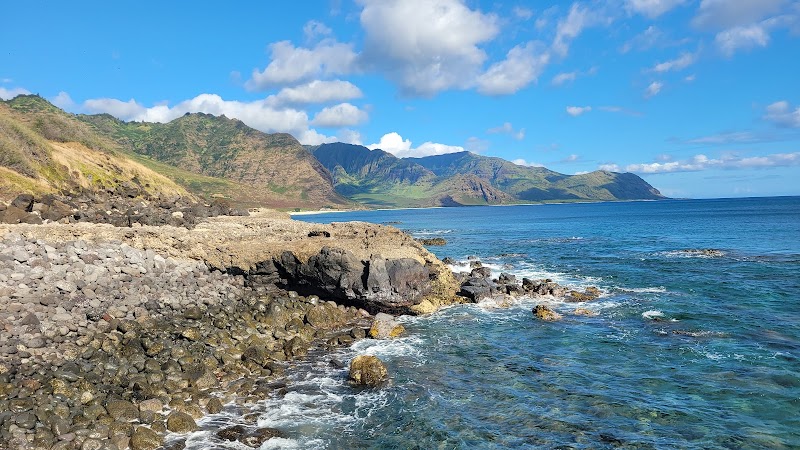
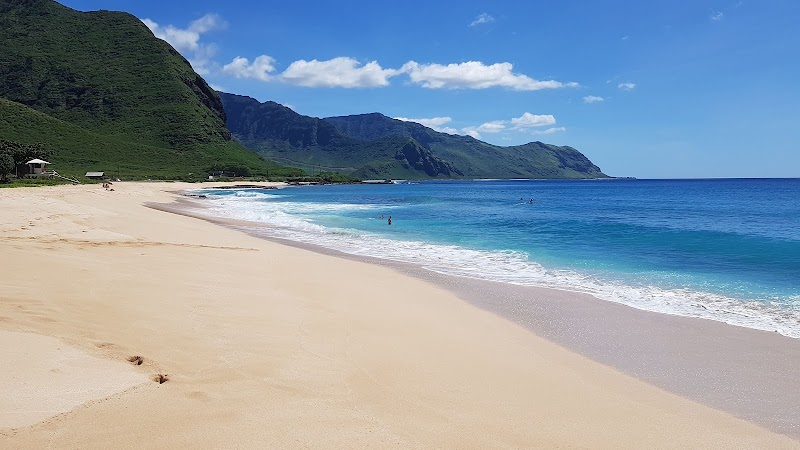
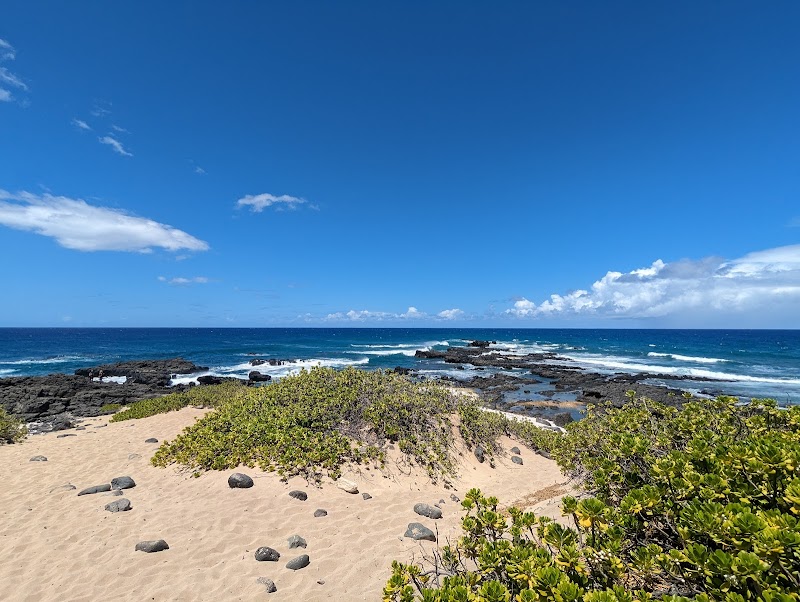
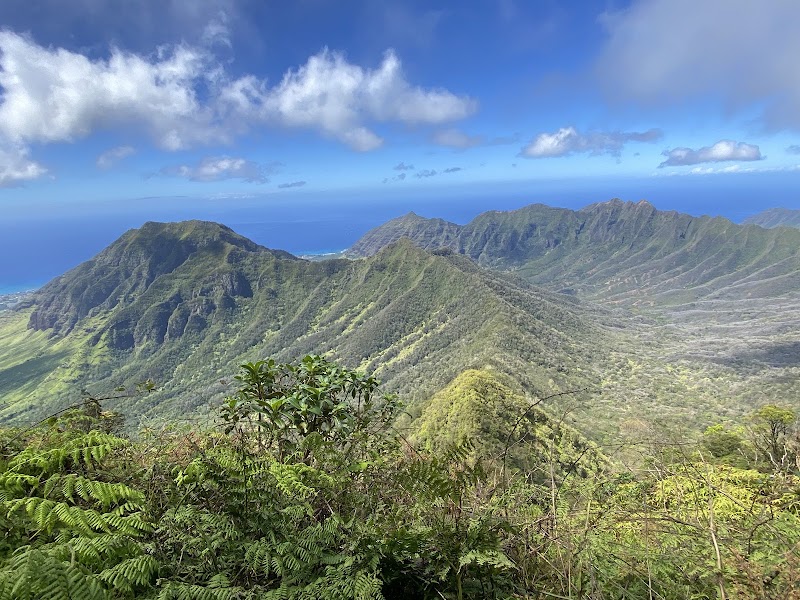
Kaʻena Point State Park, located on the western tip of O‘ahu near the town of Waialua, offers visitors an extraordinary glimpse into Hawaii’s raw coastal beauty and distinctive natural ecosystems. As the island’s westernmost point, Kaʻena Point is famed for its rugged lava rock shoreline meeting the powerful Pacific Ocean, creating breathtaking seascapes and opportunities for wildlife observation. The park encompasses a protected natural reserve notable for its native plant species and serves as a critical habitat for endangered Hawaiian monk seals and nesting seabirds, such as the Laysan albatross.
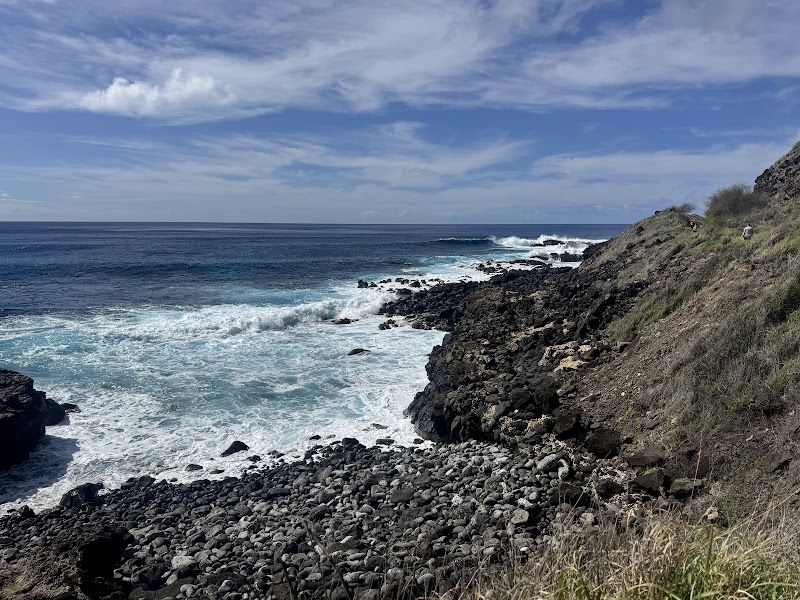
One of the park’s most remarkable features is the untouched coastline composed of volcanic rock formations, which stretches for miles and provides panoramic views of crashing waves and often, from winter through early spring, seasonal whale sightings. The area also holds cultural importance in Hawaiian traditions, being regarded as a leina ka ‘uhane— a "leaping place of spirits"— where souls were believed to depart for the afterlife.
Visitors value Kaʻena Point for its relative isolation compared to the busier parts of O‘ahu, offering a sense of tranquility and connection with Hawaii’s wild side. The diverse landscapes—from coastal shrubland to low cliffs—support hardy native plants that resist invasive species, making it a sanctuary for conservation efforts. Whether interested in geology, native wildlife, or scenic coastal walks, Kaʻena Point delivers a unique experience reflecting Hawaii’s natural heritage and striking oceanfront vistas.
Adventure Guide
Adventure Guide To Kaʻena Point State Park
1. Coastal Hiking Trails
- What: The primary activity at Kaʻena Point is hiking the unpaved trail leading to the protected wildlife reserve at the point itself.
- Why Special: This approximately 5-mile round trip trail offers stunning views of the Pacific Ocean, unique lava rock formations, and the chance to see Hawaiian monk seals resting on the beach.
- Tips: Arrive early to avoid midday heat, wear sturdy shoes due to rocky terrain, and bring water and sun protection.
2. Wildlife Watching
- What: Kaʻena Point is one of the best places on O‘ahu for observing native wildlife.
- Why Special: The area supports one of the largest populations of endangered Hawaiian monk seals and offers excellent birdwatching, especially for seabirds like wedge-tailed shearwaters.
- Insights: Local conservation efforts restrict some access to protect habitats; respect posted signs.
- Best Time: Winter months offer sightings of humpback whales offshore.
3. Beach and Tidepool Exploration
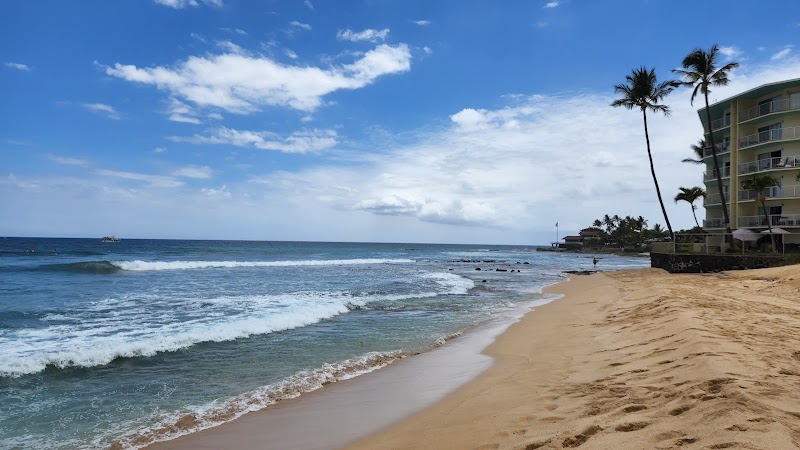
- What: Near the trailheads are small rocky beaches and tidepools to investigate.
- Why Special: These spots showcase intertidal marine life and provide a rugged alternative to typical sandy beaches.
- Visitor Tips: Check tide schedules to visit during low tide for better marine life viewing.
Getting There & Practical Advice
- Directions: Drive west from Waialua along Farrington Highway for about 30-40 minutes from central O‘ahu.
- Best Times to Visit: Early mornings or late afternoons for cooler temperatures and wildlife activity.
- What to Bring: Water, sturdy hiking shoes, sun protection, and binoculars for wildlife viewing.
Kaʻena Point State Park blends adventure with preservation, rewarding visitors who come prepared and respectful of its fragile environment.
Visitor Tips
- Best Times:Winter for favorable conditions and optimal lighting.
- What to Bring:Plenty of water, sun protection, a camera, and respectful Leave-No-Trace mindset.