THE ADVENTURE COLLECTIVE® · Independent discovery and booking for outdoor travel

Spend a full day on Oahu’s North Shore hiking into Waimea Valley to swim beneath a 45-foot waterfall, tasting island coffee and shrimp truck fare, then hunting for green sea turtles along Haleʻiwa’s coastline. This guided tour combines cultural stops, a short rainforest trek, and supervised swimming.
Spend a full day on Oahu’s North Shore hiking into Waimea Valley to swim beneath a 45-foot waterfall, tasting island coffee and shrimp truck fare, then hunting for green sea turtles along Haleʻiwa’s coastline. This guided tour combines cultural stops, a short rainforest trek, and supervised swimming.
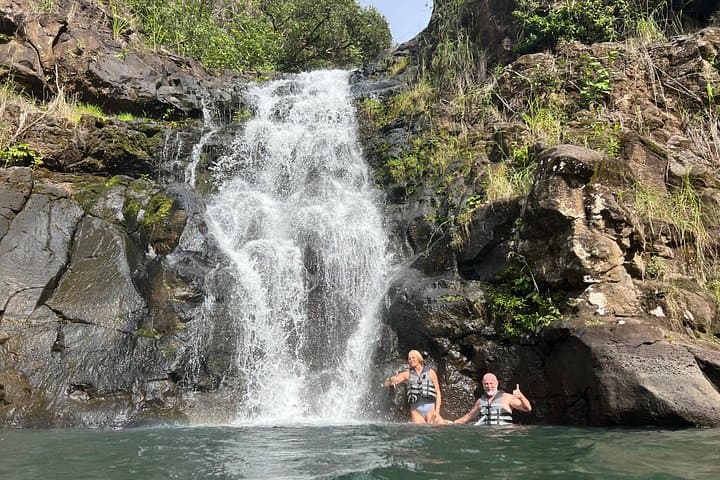
You step out of the van to humid air and the distant roar of falling water — the North Shore opens like a story, green and unhurried. The day begins at an old sugar mill where roasted coffee and handcrafted chocolate set a quietly sweet tone, then eases into a short drive toward Waimea Valley. The trail narrows, rainforest leaves glint; you walk 3/4 mile beneath a canopy toward a 45-foot cascade, the waterfall calling you into a deep, cool pool where lifeguards and safety vests make a swim possible and measured.
Verified experiences and guided adventures in the surrounding area.
Operated by Seamus’s Hawaiian Shuttles LLC · Haleiwa, Hawaii
You step out of the van to humid air and the distant roar of falling water — the North Shore opens like a story, green and unhurried. The day begins at an old sugar mill where roasted coffee and handcrafted chocolate set a quietly sweet tone, then eases into a short drive toward Waimea Valley. The trail narrows, rainforest leaves glint; you walk 3/4 mile beneath a canopy toward a 45-foot cascade, the waterfall calling you into a deep, cool pool where lifeguards and safety vests make a swim possible and measured.
Waimea Valley holds layered history: ancient Hawaiian taro terraces and a reconstructed village illustrate centuries of cultivation and ceremony. Geologically, the valley was carved by stream action on basaltic flows from Oʻahu’s volcanic past, collecting a unique coastal ecosystem where freshwater meets reef. Haleʻiwa, the sleepy surf town at midday, offers the cultural contrast of shrimp trucks, local plate lunches, and boardwalk storefronts — a practical reminder that North Shore life blends kai (sea) and ʻāina (land).
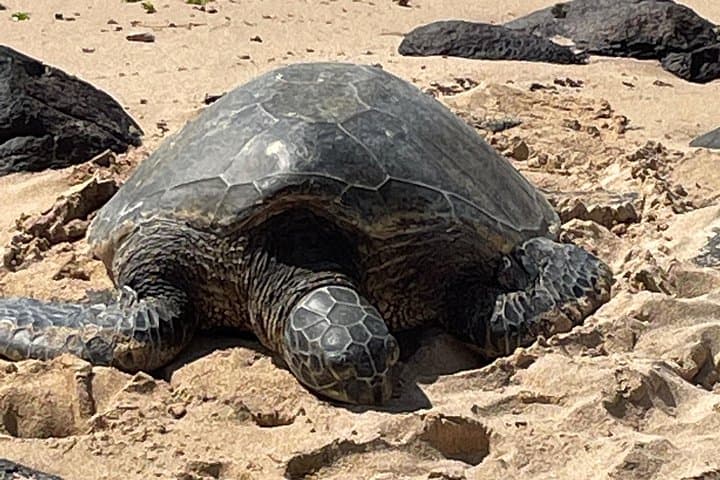
Practical guidance: expect damp, uneven trail with roots and rocks; the hike is short but slippery after rain. Wear closed-toe shoes that double as water shoes for the pool and reef outings, and choose reef-safe sunscreen. Bring a small dry bag for phones and a reusable water bottle — hydration is straightforward but essential under tropical sun. If you plan to search for honu (green sea turtles) near Puena, keep distance, move slowly, and avoid entering occupied feeding areas. Late afternoon light softens the coastline and improves chances of sightings; plan for an eight-hour day with a mix of walking, swimming, and beach time.
moderate.
8 hours.
Moderate fitness — able to walk 3/4 mile on uneven rainforest trail and handle brief swims in open pool and ocean
Yes — lifeguards are typically present at the Waimea pool and safety vests are provided and required for all swimmers.
Turtle sightings are common near Puena and Haleʻiwa but not guaranteed; sightings depend on time of day, sea conditions, and animal movement.
The tour recommends moderate fitness; the hike is short (¾ mile) but on uneven terrain. Infants and small children are stroller-accessible for parts, but swimming requires competent swimmers.
The tour stops in Haleʻiwa for lunch at shrimp trucks and other local eateries; guides can accommodate dietary requests if notified in advance.
Waimea Valley was a historical agricultural center with taro terraces and ceremonial sites; later the area saw sugar plantation influence and now preserves both cultural and botanical heritage.
Visitors are asked to stay on trails, use reef-safe sunscreen, and keep distance from marine life to help protect fragile reefs and culturally important sites.
Seamus’s Hawaiian Shuttles LLC operates guided outdoor trips and adventures with an emphasis on safety, stewardship, and memorable experiences.
You step out of the van to humid air and the distant roar of falling water — the North Shore opens like a story, green and unhurried. The day begins at an old sugar mill where roasted coffee and handcrafted chocolate set a quietly sweet tone, then eases into a short drive toward Waimea Valley. The trail narrows, rainforest leaves glint; you walk 3/4 mile beneath a canopy toward a 45-foot cascade, the waterfall calling you into a deep, cool pool where lifeguards and safety vests make a swim possible and measured.
You step out of the van to humid air and the distant roar of falling water — the North Shore opens like a story, green and unhurried. The day begins at an old sugar mill where roasted coffee and handcrafted chocolate set a quietly sweet tone, then eases into a short drive toward Waimea Valley. The trail narrows, rainforest leaves glint; you walk 3/4 mile beneath a canopy toward a 45-foot cascade, the waterfall calling you into a deep, cool pool where lifeguards and safety vests make a swim possible and measured.
Waimea Valley holds layered history: ancient Hawaiian taro terraces and a reconstructed village illustrate centuries of cultivation and ceremony. Geologically, the valley was carved by stream action on basaltic flows from Oʻahu’s volcanic past, collecting a unique coastal ecosystem where freshwater meets reef. Haleʻiwa, the sleepy surf town at midday, offers the cultural contrast of shrimp trucks, local plate lunches, and boardwalk storefronts — a practical reminder that North Shore life blends kai (sea) and ʻāina (land).
Practical guidance: expect damp, uneven trail with roots and rocks; the hike is short but slippery after rain. Wear closed-toe shoes that double as water shoes for the pool and reef outings, and choose reef-safe sunscreen. Bring a small dry bag for phones and a reusable water bottle — hydration is straightforward but essential under tropical sun. If you plan to search for honu (green sea turtles) near Puena, keep distance, move slowly, and avoid entering occupied feeding areas. Late afternoon light softens the coastline and improves chances of sightings; plan for an eight-hour day with a mix of walking, swimming, and beach time.