
Point MacKenzie adventure guide
Find your way into Point MacKenzie.
A slim ribbon of coast tucked into the Matanuska-Susitna Borough, Point MacKenzie is Alaska in small scale—wide tidal flats, wind-scoured shorelines, and a surprising tangle of seasonal activities. This guide stitches together the destination's top pursuits—Hiking salt-scrub ridges, Water Activities on Cook Inlet, Fishing at low tide, dogsled and Snowmobile access in winter, and airy Air Activities via floatplane—into a single usable primer. Whether you want a quiet Walking Tour along the spit, a Boat Tour into nearby estuaries, or a city-near escape for wildlife watching, these picks blend practical planning with the kind of itinerary you can actually execute in a long weekend.
Three ways into the city
Pick a landscape. Build a day around it.
Point MacKenzie is less a single destination than a collection of neighboring worlds. Start with the version of the city that matches your pace, then use the ranked guide below to fill in the details.

Begin where the city meets the sea.
Surf breaks, sheltered harbors, whale routes, and long beach paths make the coast LA’s most immediate outdoor playground.
Explore water activities →
Let a local connect the landmarks.
Use a guided city, walking, or sightseeing tour to turn LA’s sprawl into a coherent story.
Explore sightseeing tour →
Ride the coast and the city.
Beach paths, river corridors, e-bikes, and ridge climbs reveal a more connected Los Angeles.
Explore wildlife →Choose your way into Point
The top 15 Point MacKenzie adventures.
Ranked by the number of currently listed trips. Each panel opens the complete local activity collection.
 1
1Hiking
Point MacKenzie is a coastal edge where Alaska’s vastness feels close enough to touch: low bluffs drop to tidal mudflats, winds sweep salt spray across scrubby willow and cottonwood stands, and distant peaks sit like a promised horizon. Hiking here isn’t a catalog of manicured trails but a series of intimate encounters with shorelines, marsh corridors, and open tundra that shift with the tide, season, and light. This guide gathers the best hikes and route ideas for day explorers and experienced backcountry walkers—emphasizing access, terrain, seasonality, and the practical trade-offs of coastal-Alaska hiking.
Explore hiking →2Sightseeing Tour
Point MacKenzie is a low-slung, open coastline where tides carve a shifting shoreline and the horizon reads like a study in scale: tidal flats, distant peaks of the Alaska Range, and an ever-present sky. Sightseeing here is less about a single iconic landmark and more about reading a landscape—watching the estuary fill and drain, tracking shorebirds along the Susitna Flats, spotting marine mammals at the edge of Cook Inlet, and catching the light on winter ice or summer fog. This guide focuses on tours that deliver those moments—short coastal drives, boat and kayak excursions into estuaries and sloughs, wildlife- and bird-focused outings, and flightseeing options that turn the tidal labyrinth into a map of glacial history.
Explore sightseeing tour → 3
3Walking Tour
Point MacKenzie is an unscripted slice of Alaska where long, low tides expose wide, brackish flats and a quiet coastal edge invites slow walking. The best walking tours here are not polished urban strolls but deliberate, sensory expeditions: mudflats that reveal tidal life, short estuary boardwalks that funnel bird migrations, and shoreline walks with spare views of Cook Inlet and the distant Alaska Range. Expect wind, wide skies, and the elemental rhythm of tide and tidebirds—this is walking for those who prize quiet landscapes, natural history, and the kind of low-traffic exploration that feels exploratory rather than curated.
Explore walking tour → 4
4Lodging
Point MacKenzie’s lodging scene is spare but memorable: a patchwork of waterfront cabins, working-farm stays, seasonal lodges and well-placed RV and camper sites that put you close to tidal flats, birdlife and the raw Alaskan horizon. This guide focuses on where to sleep, how to choose the right base for fishing, birding, aurora watching and day trips to Kenai—plus practical considerations for access, seasonality and the terrain around Knik Arm.
Explore lodging →5Water Activities
Point MacKenzie sits where tidal drama meets wide Alaska skies. The shoreline and estuary around the point are a playground for water-driven experiences—kayaking sheltered sloughs, scouting mudflat edges for migrating shorebirds, launching a skiff toward tide-swept channels, or timing a salmon drift in the nearby rivers. This guide focuses on water-based pursuits unique to the Knik Arm corridor—what to expect, how to prepare for the tides and cold, and how to layer related activities like wildlife viewing and flightseeing for a fuller day on and off the water.
Explore water activities → 6
6Fishing
Point MacKenzie sits at the edge of Knik Arm and Cook Inlet, a low-slung spit of tidal flats and maritime access that acts as a gateway to some of Southcentral Alaska’s most productive waters. Fishing here is a miscellany of saltwater charters, estuary shoreline sessions, river and lake fly-fishing, and family-friendly pier outings. The rhythms are tidal and seasonal—high tides bring king salmon into the shallows, summer days stretch long for halibut and silver runs, and shoulder seasons sharpen the focus to trout and grayling upriver. This guide unpacks where to cast, when to go, and how to plan trips that balance comfort, safety, and the raw reward of Alaskan fishing.
Explore fishing → 7
7Dogsled
Point MacKenzie punches above its size when it comes to pure, working-dog mushing. Narrow access roads open onto wide winter flats and sheltered forest tracks where local kennels train teams, offer guided runs, and teach visitors to stand in the driver's basket. This guide focuses on dogsled-specific experiences—day runs, driver lessons, overnight mushing camps, and kennel visits—plus the practical planning and seasonal know-how you need to turn a cold-weather curiosity into a confident, memorable trip.
Explore dogsled → 8
8Air Activities
Point MacKenzie is a shoreline staging ground for Alaska's bread-and-butter air experiences: floatplane hops over tidal flats, short flightseeing runs to glaciers and mountain ridgelines, helicopter shuttles to remote beaches and river valleys, and bush-plane transfers to backcountry lodges. Close to the Anchorage metro area yet opening onto the wide, changeable expanse of Knik Arm and Cook Inlet, the region is a practical base for short aerial excursions that deliver big-sky perspective, wildlife viewing, and access to places that are otherwise a ferry ride or a multiday trek away. This guide focuses on how to choose among air options, what to expect from the terrain and weather, and how to plan safe, efficient flights that maximize views and on-the-ground adventure time.
Explore air activities → 9
9Bus Tour
Point MacKenzie sits where tidal flats and low coastal bluffs meet industrious harbor facilities and wide, open sky. Bus tours here aren't about crowded motorcoach routes through city centers; they're a methodical, comfortable way to read the coastal landscape—stopping where the road meets the salt, where shorebirds carve the air, and where views open toward distant glaciers on clear days. Expect a mix of short shuttle runs, interpretive drives that thread the peninsula, and multi-modal trips that combine bus transport with short hikes, boat legs, or wildlife-viewing stops.
Explore bus tour → 10
10Snowmobile
Point MacKenzie is where coastal flats meet Alaskan winter — a broad, wind-sculpted playground for snowmobilers who crave speed with scenery. Expect open tidal channels (frozen in the heart of winter), river braided runouts, and quick access to higher, more technical terrain inland toward the Knik and Susitna valleys. This guide focuses on snowmobile-specific routes, operators, and safety considerations for exploring the 17 curated trips in and around Point MacKenzie.
Explore snowmobile →11Wildlife
Point MacKenzie sits where tidal drama sculpts the shoreline and migratory pathways converge. For wildlife seekers its salt flats, estuarine channels, and nearby boreal edges deliver concentrated, changeable encounters—shorebirds that thrum the mudflats at low tide, waterfowl that ride the tide lines, raptors that patrol the skies, and marine mammals that move with the currents of Cook Inlet. This guide focuses on how to see wildlife well here: where to go, when to visit, what to bring, and how to layer complementary experiences like kayaking, birding by boat, and salmon-run watching into a single trip.
Explore wildlife → 12
12Winter Activities
Point MacKenzie is a coastal winter landscape where salt air meets snowfields, and the low, wide horizon opens into Cook Inlet. Winter activities here favor open-space pursuits: fat-biking and snowshoeing across tidal flats turned frozen plain, snowmobiling toward inland ridgelines and river flats, ice fishing on nearby lakes, and patient nights spent chasing auroras over quiet, lamp-post-free skies. This guide focuses on how to experience winter on and around Point MacKenzie—terrain, timing, access, and the safety and gear considerations that make a cold-weather adventure reliably memorable rather than merely bracing.
Explore winter activities →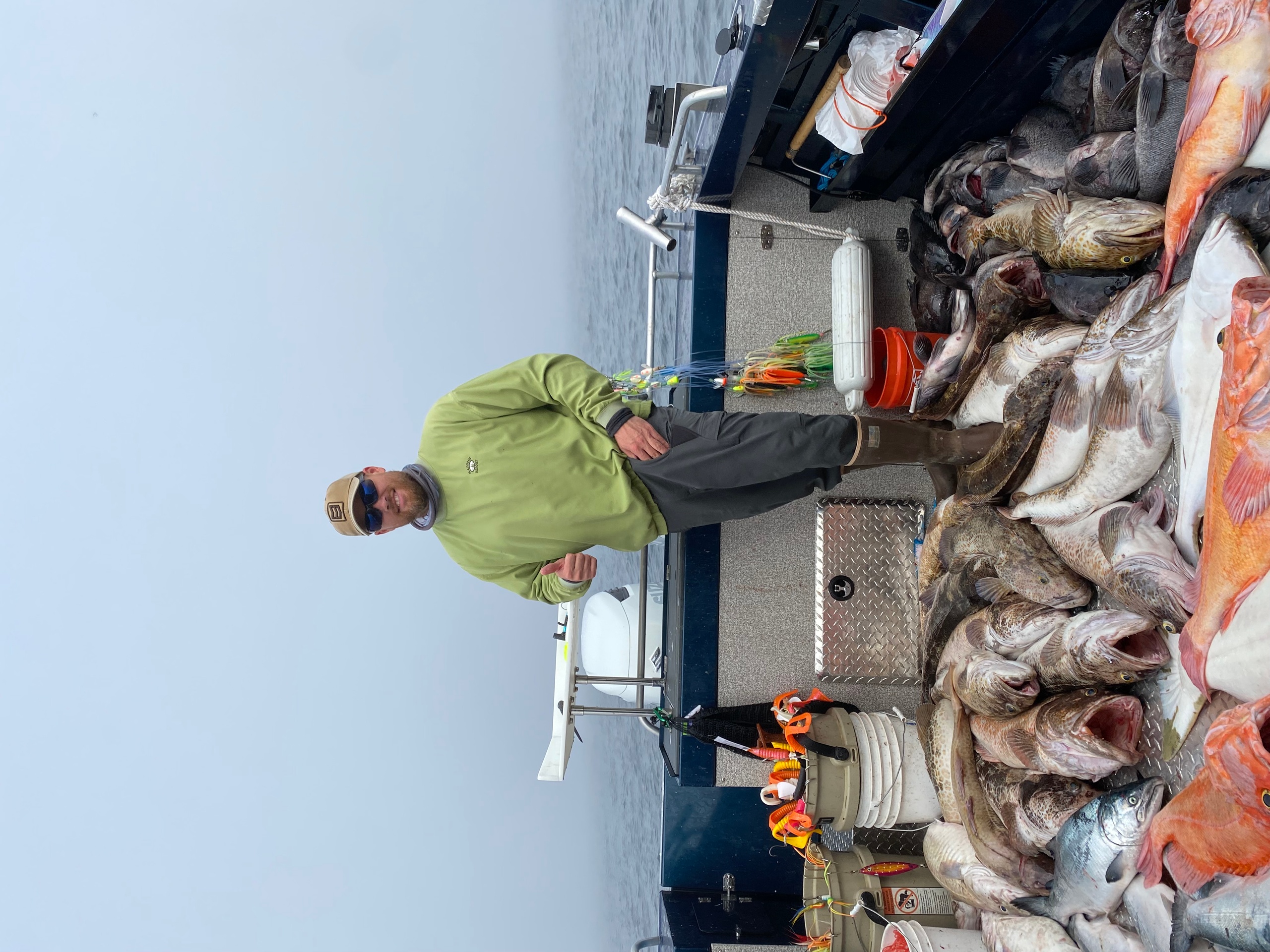 13
13Boat Tour
Boat tours out of Point MacKenzie fold together two signature Alaskan landscapes: broad tidal flats that reveal themselves like a slow-moving stage, and the distant, rugged silhouette of the Chugach Range. These excursions prioritize wildlife viewing, tide-driven geography, and easy access to coastal and estuarine ecosystems—perfect for travelers who want intimate time on the water without the long drives of more remote Alaska gateways.
Explore boat tour → 14
14City Tour
Point MacKenzie is a coastal fringe where industrial edges meet wide tidal flats and a handful of clustered communities. City tours here are less about ornate streetscapes and more about reading a place: shoreline industry, migratory birds sweeping the mudflats, and seasonal rhythms set by tides and long daylight. This guide frames those low-key but deeply local tours—walks, shoreline drives, and curated outings—that uncover the human, natural, and working-landscape stories of Point MacKenzie.
Explore city tour → 15
15Bike Tour
Point MacKenzie is a coastal edge of Alaska where wide skies, tidal flats, and long gravel roads create an improbable playground for bike tours. Routes thread between farmland, low marsh, levee roads, and quiet backcountry tracks—terrain that rewards a steady wheel with huge vistas, close-up birding, and an intimate sense of place. This guide focuses on the best ways to experience Point MacKenzie by bike: day gravel loops, multi-hour explorations of the Knik River corridor, and adaptable itineraries for riders on gravel bikes, mountain bikes, or bikepacking rigs.
Explore bike tour →The city and the sea
Why Point MacKenzie Belongs on Your Alaska Shortlist
Variety without surrendering the day to long transfers.
Point MacKenzie is not a postcard of dramatic peaks so much as a study in edges—the meeting of land, tide, and sky. At low tide the flats peel back into miles of braided channels where shorebirds work like a clock; at high tide the inlet becomes a glassy corridor for fishing skiffs and boat tours that drift toward the Kenai’s shoulder. That intimacy—the feeling of being on the threshold of bigger landscapes—is the destination’s draw. For hikers, short ridgelines and coastal trails deliver horizon views without the commitment of a backcountry trek. For anglers and boaters, the shifting tides demand local knowledge but reward with silver runs and estuary wildlife. For winter travelers, the place rearranges itself: Dogsled routes and snowmobile runs open across frozen flats, and air activities—short floatplane hops and low-altitude scenic flights—offer a geography lesson from above. Culturally, Point MacKenzie is quietly Alaskan. There’s no concentration of lodges or large-scale tourism here; instead, local outfitters, seasonal guides, and nearby hubs in the Matanuska-Susitna Valley supply the infrastructure. That means planning leans practical: consult tide tables before a shoreline walk, book watercraft or fishing charters during the summer window, and hire a guide for winter motorized trips if you’re not experienced with avalanche-prone terrain beyond the flats. The result is a place that rewards curiosity—short, tactile adventures you can layer: a morning hike, an afternoon boat tour, an evening wildlife watch—and the sense of having discovered a quieter seam of Alaska without sacrificing access to classic activities like birding, fish-filled tides, and scenic flights.
Access here is straightforward from the Mat-Su road network, making Point MacKenzie an excellent day-trip base for visitors staying in Wasilla or the Kenai Peninsula. Outfitters will shuttle boats, rigs, and gear; floatplane drop-offs expand options for remote shoreline exploration. Sightseeing tours and boat tours are seasonal but concentrate the area’s wildlife and coastal geology into manageable outings.
Expect a strong seasonal rhythm: late spring through early fall is the prime window for water activities, fishing, and walking tours of the flats; winter turns focus to snow-driven pursuits—snowmobile and dogsled routes—plus aurora-viewing nights and shorter, crisper hiking windows. Wherever you land on that calendar, bring layers, check permits and tide schedules, and treat local knowledge as essential to safe, memorable travel.
Conditions shape the day
The best time to visit Point MacKenzie.
Summers are cool and often breezy with long daylight hours—ideal for water activities and fishing; late spring and early fall bring migratory birds and quieter trails. Winters are cold with persistent snow on the flats and reliable conditions for dogsled and snowmobile travel, but daylight is short and weather can shift rapidly.
Best all-around window
Spring + fall
Comfortable mixed-itinerary weather, thinner crowds at beaches and lookouts, and more room to improvise.
Beach season
Mid-June through August is the busiest period for boat tours, fishing charters, and guided sightseeing.
Surf + whales
Late fall and winter offer discounted lodging and prime conditions for snowmobile and dogsled experiences; aurora viewing increases once nights lengthen.
Coast to inland
Cool marine mornings often give way to warmer inland afternoons and breezy evenings.
Beginner
Short, low-exposure outings like shoreline walking tours, guided sightseeing boat tours, and easy wildlife viewing sessions—good for first-time Alaska visitors and families.
- Guided Walking Tour of the coastal flats at low tide
- Half-day Boat Tour focused on birdlife and shoreline geology
- Short shoreline hike with wide, stable trails
Intermediate
Longer coastal hikes, self-guided fishing from shore, bike tours on gravel approaches, or day trips that combine hiking and a short boat shuttle.
- Full-day Fishing outing with a local charter
- Gravel Bike Tour along service roads and coastal edges
- Self-led low-tide exploration with tide planning
Advanced
Multi-mode adventures that cross tidal flats, boat access points, or winter motorized routes—require navigation skills, an understanding of tide and weather windows, or specialized gear for dogsled and snowmobile travel.
- Floatplane drop-off for a remote coastal traverse
- Back-to-back Boat Tour and beach-camp exit requiring tide coordination
- Guided Snowmobile or Dogsled expedition in winter conditions
Field kit
What to bring.
Pack for sun, salt water, walking, and a meaningful temperature swing between coast and inland Point.
Essential
Start here
- Layered clothing (base layer, insulating mid, waterproof shell)
- Tide schedule or app and a printed shoreline plan
- Sturdy boots with good traction for muddy flats and rocky shorelines
- Bear-aware safety kit (bear spray if planning to hike or fish inland)
- Headlamp and emergency shelter for short excursions
Water days
Keep it dry
- Waterproof dry bag for electronics during boat tours
- Binoculars for birding and marine-mammal spotting
- Compact fishing kit if planning shore or boat fishing
- Navigation app with offline maps or a paper map
Long days
Stay flexible
- Microspikes for icy shoulder-season hikes
- Lightweight scope for serious birders
- Action camera with waterproof housing for surfacing shots
Insider note
Start early, then keep the geography tight.
Always check local tide tables—many of the best shoreline zones are only accessible at low water and can be hazardous when the tide returns. Book boat tours and fishing charters in advance during June–August. If you plan winter travel, confirm snowmachine trail status and hire guides for unfamiliar runs. Treat floatplane landings as weather-dependent and coordinate logistics with pilots and outfitters. Finally, leave no trace: the flats recover slowly, so stay on hard surfaces when possible and pack out everything you bring.
Good to know
Frequently asked questions.
Do I need a guide for shoreline walks and tidal flats?
Not strictly, but local guides add safety and interpretation. Tides, soft mud, and quick weather changes can make unfamiliar flats tricky—hire a guide if you lack local experience.
Are there swimming opportunities?
Cook Inlet water is cold year-round and strong tidal currents make swimming unsafe in most places—opt for guided boat tours or designated recreation areas where available.
Can I fly into Point MacKenzie by floatplane?
Floatplane access is common along Cook Inlet for remote drop-offs; arrange flights through certified local air operators and confirm landing spots with guides.
Ready when you are
Find the trip that fits your Point MacKenzie day.
Compare bookable experiences across the coast, city, and mountains—then save the ones that belong in your plan.
Explore all Point MacKenzie adventures ↗