
Pāhala adventure guide
Find your way into Pāhala.
Perched on the southern flank of Hawaiʻi Island, Pāhala is an off-grid pocket of verdant coffee farms, black-sand shorelines, and quiet trailheads. This guide stitches snorkeling coves, eco tours, and low-key hikes into an approachable plan for travelers who want both solitude and substance on the Big Island.
Three ways into the city
Pick a landscape. Build a day around it.
Pāhala is less a single destination than a collection of neighboring worlds. Start with the version of the city that matches your pace, then use the ranked guide below to fill in the details.

Begin where the city meets the sea.
Surf breaks, sheltered harbors, whale routes, and long beach paths make the coast LA’s most immediate outdoor playground.
Explore water activities →
Let a local connect the landmarks.
Use a guided city, walking, or sightseeing tour to turn LA’s sprawl into a coherent story.
Explore sightseeing tour →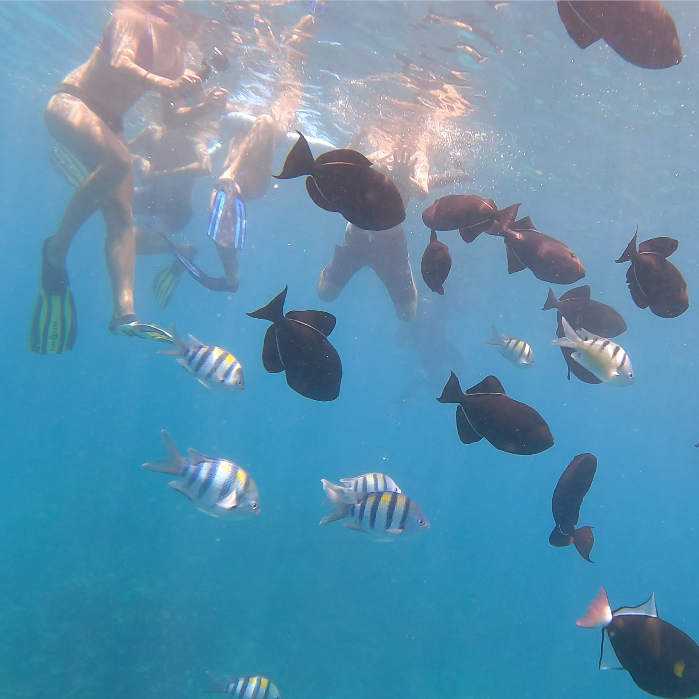
Ride the coast and the city.
Beach paths, river corridors, e-bikes, and ridge climbs reveal a more connected Los Angeles.
Explore dolphin →Choose your way into Pāhala
The top 15 Pāhala adventures.
Ranked by the number of currently listed trips. Each panel opens the complete local activity collection.
 1
1Snorkel
Pāhala sits inland from one of Hawaii’s most rugged and under-visited shorelines: the Kaʻū coast. For snorkelers who prize quiet water, volcanic seascapes, and encounters with reef life rather than crowded tourist beaches, this region offers a distinct flavor of ocean exploration. Expect rocky lava shorelines, small coves with clear water on calm days, and the need to plan logistics carefully—many of the best access points are remote and require patience, local knowledge, or a guided boat to reach. This guide focuses specifically on snorkeling options tied to Pāhala: shore-access coves, nearby sheltered reefs, and the practical trade-offs between independent shore excursions and guided outings.
Explore snorkel →2Sightseeing Tour
Pāhala is a small, low-key gateway to some of Hawai‘i Island’s rawest scenery—volcanic panoramas, lonely coastal cliffs, and coffee-scented plantation roads. Sightseeing tours here favor slow, deliberate discovery: guided drives that follow lava-carved ridgelines, cultural walks through plantation-era sites, birding runs into native kīpuka, and coffee-farm visits paired with panoramic lookout stops. Expect close-up views of geological drama, hands-on cultural context, and easy vehicle access to dramatic viewpoints—perfect for travelers who prefer seeing a lot without having to hike all day.
Explore sightseeing tour →3Dolphin
Off the quiet southern shore of the Big Island, Pāhala is an understated launch point for ocean encounters with dolphins that feel intimate and wild. From small-boat dolphin watches to guided snorkel trips and kayak excursions that shadow small pods, the area offers year-round opportunities to see spinner, bottlenose, and spotted dolphins in open-water habitats. This guide distills where to look, how to plan responsibly, and what to expect when you chase the swift arcs and playful chuffs of Hawaiʻi’s dolphins.
Explore dolphin → 4
4Hiking
Pāhala sits at the slow, weathered edge of the Big Island—an old plantation town beneath rolling pastureland and ʻōhiʻa forest, within reach of volcanic deserts and a wild, rugged coastline. Hiking here is about contrasts: mossy upland trails and basalt beaches, quiet cultural landscapes and wide, wind-swept vistas. This guide curates eleven hikes and day-trip trail experiences that highlight coastal walks, lava-field traverses, forest loops, and accessible routes that let you explore Kaʻū’s unique geology and deep Hawaiian history.
Explore hiking →5Water Activities
On the southern edge of Hawaii Island, Pāhala is where raw lava meets a broad, moody ocean—an under-recognized doorway to water adventures that favor solitude and an eye for conditions. From exploring black-sand shorelines and kelp-streaked tidepools to guided snorkeling, coastal fishing, and shore-based surf watching, this guide focuses squarely on what to do in and on the water around Pāhala, how to plan for variable sea states, and how to move respectfully in a place with fragile wildlife and deep-rooted local practices.
Explore water activities → 6
6Eco Tour
Pāhala is a compact, historic gateway to some of Hawaiʻi Island’s most quietly powerful ecosystems. Eco tours from town thread rainforest gullies, coastal lava benches and cultural sites—each excursion a close study of how geology, native species, and human history have shaped Kaʻū’s fragile landscapes.
Explore eco tour → 7
7Boat Tour
Pāhala sits inland from the raw, under-visited coastline of Kaʻū, a stretch where black-sand coves, basalt sea cliffs, and deep offshore reefs meet a wide Pacific horizon. Boat tours that source their spirit from this corner of the island emphasize wild seascapes, marine life encounters, and a geology-driven narrative—oceanside views that feel like the inside of the island’s volcanic story. Expect small-group charters, wildlife-focused cruises, and exploratory snorkeling runs that pair well with land-based visits to nearby lava fields and coastal trails.
Explore boat tour →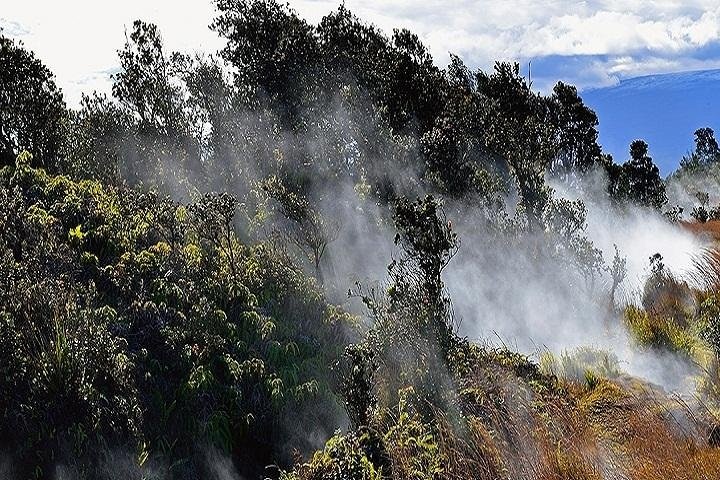 8
8Air Activities
Perched on the windswept southwest flank of the Big Island, Pāhala is a quiet launchpad for airborne exploration — from low, cinematic passes along sea cliffs to high, panoramic circles over volcanic calderas and patchwork rainforest. Air activities here are less about adrenaline and more about perspective: sudden vistas, the scale of geologic time, and the island’s layered ecosystems revealed from above.
Explore air activities → 9
9Walking Tour
Pāhala is a compact, quietly storied town at the edge of lava fields, rainforests, and the remote southern coastline of Hawaiʻi Island. Walking here is less about manicured promenades and more about slowing down—feet on dusty plantation roads, a loop through manicured coffee farms, a shoreline stroll past jagged ʻaʻā, or a cultural walk tracing the community's plantation-era architecture and living traditions. These six curated walks emphasize local history, coffee-country landscapes, volcanic geology, and coastal vistas. Routes are short to moderate, accessible from the town center, and pair naturally with birdwatching, farm visits, and drives into Hawaiʻi Volcanoes National Park or to Papakōlea Green Sand Beach for a full-day outing.
Explore walking tour → 10
10Bus Tour
Pāhala is a quiet doorway to the raw southern flank of Hawai‘i Island — and bus tours out of town turn what looks like a sleepy settlement into a launch point for coastal vistas, lava-scarred landscapes, and rainforest-roadway panoramas. These guided rides are as much about storytelling and local context as they are about convenience: historians, naturalists, and driver-guides unspool the island’s sugar-plantation past, its unique ecosystems, and the living culture of Kaʻu while you sit back and watch the coastline and cloud forest roll by.
Explore bus tour →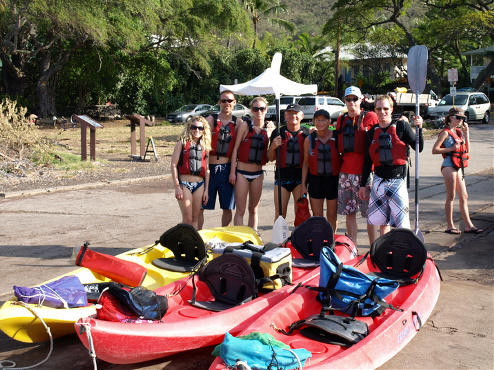 11
11Kayak
Remote, rugged, and undersung, the Kaʻū coastline around Pāhala is a kayak destination for paddlers who prize quiet seas, dramatic lava-formed cliffs, and intimate wildlife encounters. Expect black-sand shorelines, reef-rich snorkel stops, and the kind of offshore solitude that makes every turn feel like discovery.
Explore kayak →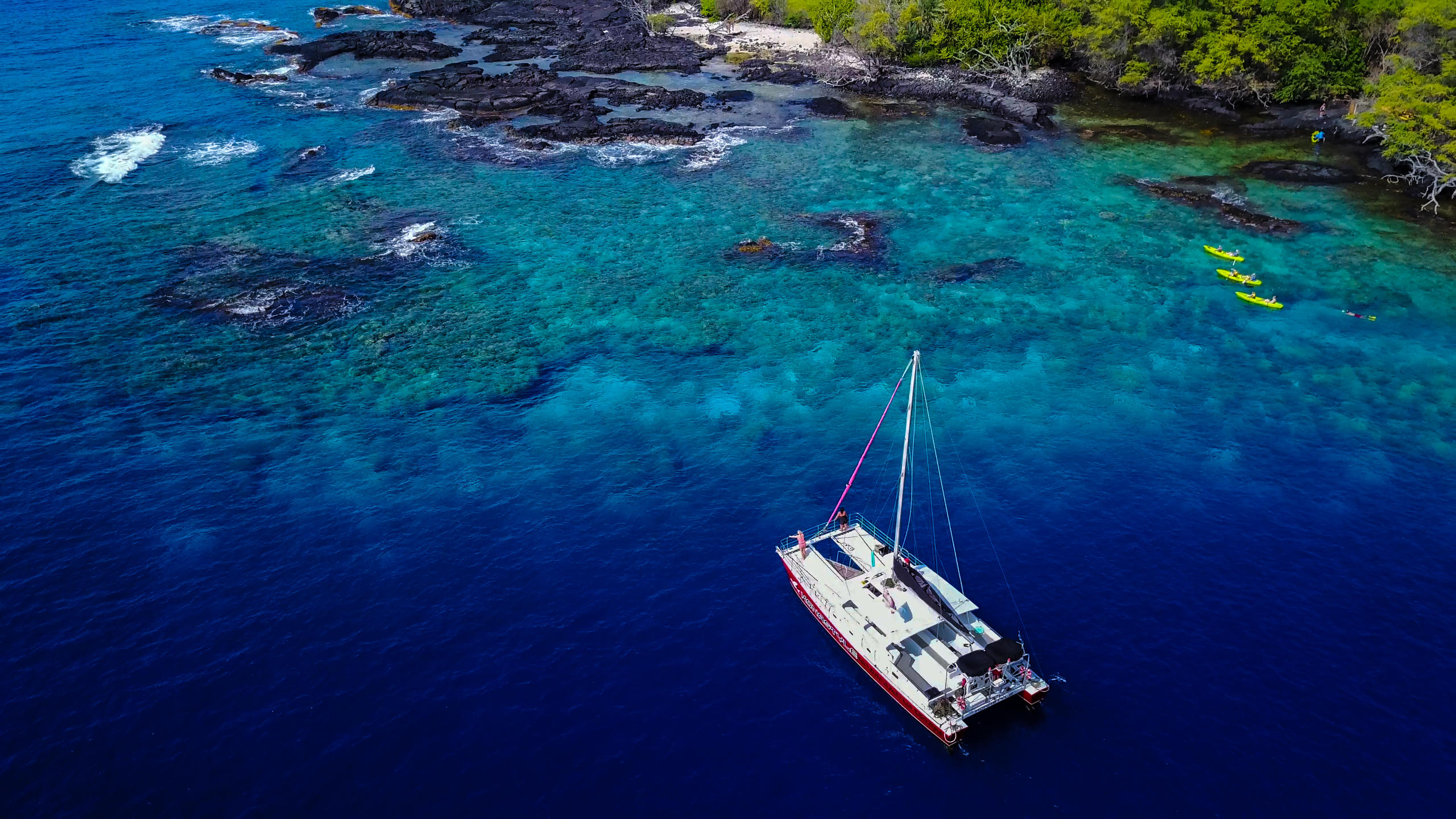 12
12Sailing
Sailing from the Kaʻū region around Pāhala is less about luxury marinas and more about discovering a raw stretch of Hawaiʻi Island coastline shaped by lava, wind, and deep ocean. From sheltered reef-lined bays to open-coast day sails that track migrating whales in winter, the experience blends natural theater with old-school seamanship. Access is deliberate—a drive from town to launch points followed by small-boat or charter departures—but for sailors who prize solitude, dramatic cliffs, and close encounters with marine wildlife, Kaʻū delivers something rare in Hawaiʻi: an intimate, elemental coastal cruise.
Explore sailing →Boat Rental
Pāhala sits inland from Hawaii Island’s rugged Kaʻū coastline, an improbable launchpad for maritime adventure. Boat rental in the Pāhala region means trading crowded marinas for wide horizons, dramatic sea cliffs, and remote coves—an invitation to explore the quieter southern shoreline by water. Expect a mix of small-boat charters, skiff and powerboat rentals from nearby coastal hamlets, and opportunities to pair an independent day on the ocean with shore-based activities like snorkeling, surf fishing, and beachcombing on black-sand strands.
Explore boat rental → 14
14Environmental Attraction
Pāhala sits on the southern edge of Hawaiʻi Island’s volcanic theater, where lava-scarred terrain, remnant native forests, and a rugged black-sand coastline create a compact catalog of island environments. This guide focuses on the environmental attractions around Pāhala—kīpuka forest islands, coastal ecosystems, and volcanic landforms—offering sensory-rich descriptions plus practical advice for visiting respectfully and safely.
Explore environmental attraction →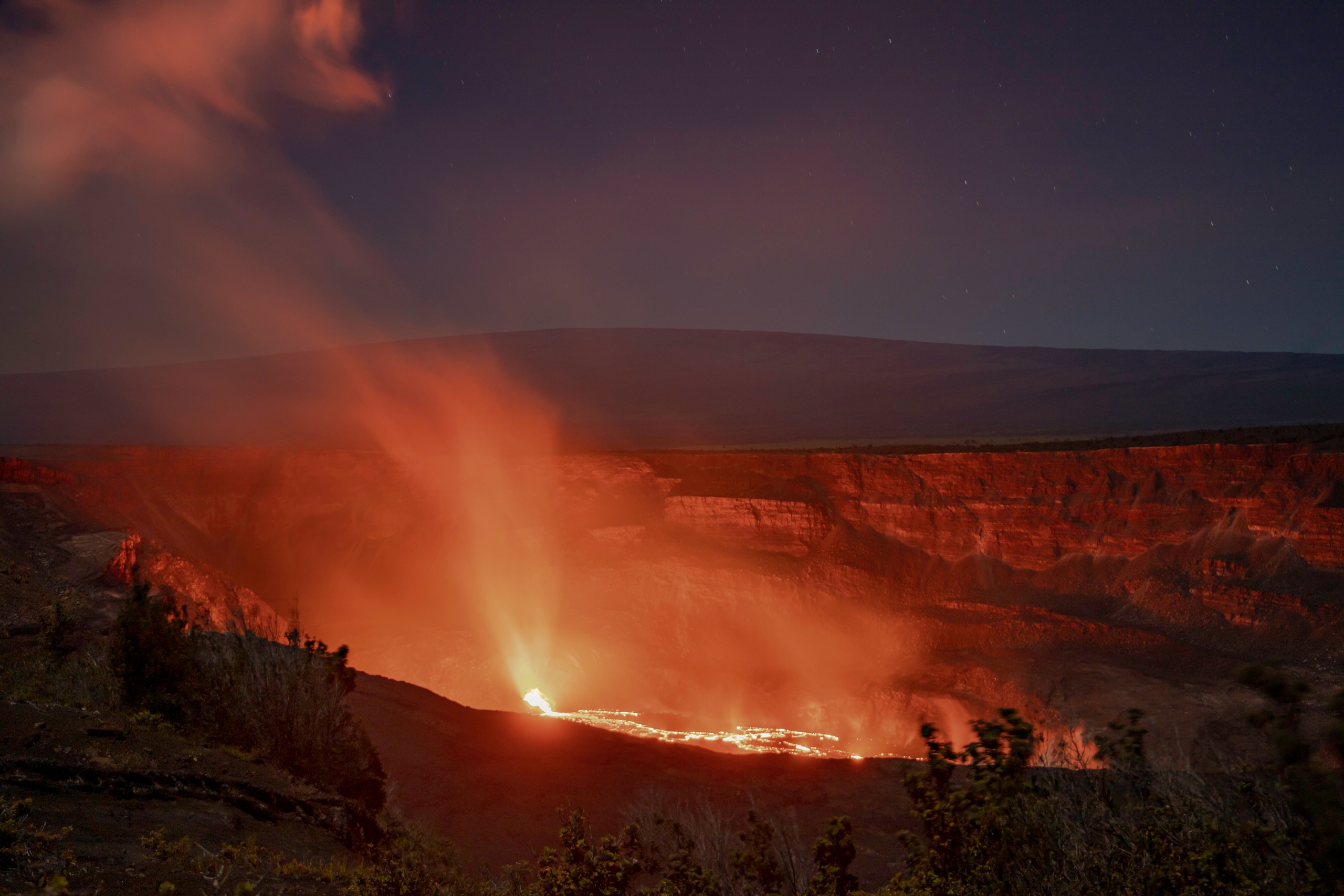 15
15Lodging
Pāhala is a small, windswept town at the southern edge of Hawaiʻi Island where plantation-era character, coffee farms, and volcanic landscapes meet. Lodging here trades resort gloss for quiet, local hospitality: think plantation guesthouses, farmstays on working coffee lots, and simple off-grid cabins that put you close to the dark skies and wild coastline of Kaʻū. This guide focuses on the lodging experience—what it feels like to sleep in this part of the island, the practical realities of rural stays, and how to pair an overnight here with trails, beach scouting, and volcano visits.
Explore lodging →The city and the sea
Why Pāhala Belongs on Your Adventure Shortlist
Variety without surrendering the day to long transfers.
Pāhala sits at the hinge between lava-scarred uplands and a coastline that keeps its own calendar. You come for the coffee farms and stay for the way the light hits the black sand at Punaluu; you come for a morning hike through fern-lined gullies and end up taking a late-afternoon boat tour to scan the horizon for spinner dolphins. The charm here is practical and elemental—fewer crowds, shorter lines, and a sense that each activity is a deliberate choice rather than a checkbox. That makes Pāhala ideal for snorkel trips in small coves and eco tour mornings where guides explain anchialine pools, native birds, and the slow recovery of areas once dominated by sugar. Use this guide to weave together snorkeling, hiking, kayaking, and a few measured sightseeing tours into a weekend or a week that feels curated rather than packaged. Historically, Pāhala’s story is braided with agriculture—sugar gave way to coffee on volcanic slopes—and that legacy is visible in the landscape and local culture. Walking tours through town reveal plantations’ architecture, roadside stands sell kaʻu coffee, and environmental attractions like protected seabird areas and anchialine ponds remind visitors that stewardship here matters. For adventure planning, that means prioritizing low-impact options: choose guided snorkel trips that brief on reef etiquette, sign up for eco tours that contribute to conservation, and rent a kayak or small boat from operators who emphasize launch-site etiquette. Air activities—short plane hops around the Kaʻū coast—deliver dramatic perspectives: sea cliffs, lava fields, and the broad sweep of the Pacific are easier to read from above. But the ground-level pleasures are just as rewarding: a geology-rich hike to a lava-formed coastline, a sunset walk along a black-sand beach with honu (green sea turtles) hauled up to rest, or a slow morning visiting family-run farms. Practical considerations shape the best days here. Weather is forgiving—warm and subtropical most of the year—but trade winds and occasional showers alter surf and visibility for snorkel and kayak outings. Boat tours and kayaking trips are most enjoyable in calmer seas; when conditions are choppy, pivot to a walking tour, a bus or sight‑seeing tour inland, or a lodge-based eco talk. Lodging in and around Pāhala ranges from small inns to vacation rentals; plan early for long weekends and cultural events. Whether you’re a snorkeler, a hiker, a kayaker, or someone who enjoys a slow walking tour followed by a local meal, Pāhala's rhythm rewards thoughtful pacing: start early, respect protected sites, and layer water-based adventures with quiet land-based exploration for a balanced trip.
Access is compact: a single day can include a morning snorkel, an afternoon hike along coastal trails, and an evening spent tasting Kaʻū coffee. Outfitters in the region specialize in small-group boat tours and guided eco tours; book in advance during holiday windows.
Pair the wild with practical comforts—local lodgings, farm stands, and small cafes make it easy to refuel between activities. If you plan air activities or longer boat tours, check weather and sea-state forecasts and allow flexibility in your itinerary.
Conditions shape the day
The best time to visit Pāhala.
Pāhala enjoys warm, subtropical weather year-round. Trade winds can bring steady breezes and brief showers; ocean visibility for snorkeling is best in calmer trade-wind windows. Hazy vog from volcanic activity occasionally affects air quality—check local advisories.
Best all-around window
Spring + fall
Comfortable mixed-itinerary weather, thinner crowds at beaches and lookouts, and more room to improvise.
Beach season
Holiday windows and summer see increased visitation; book water-based tours and lodging in advance.
Surf + whales
Shoulder months offer fewer crowds and better value—expect quieter trails and greater availability for guided snorkel and boat trips.
Coast to inland
Cool marine mornings often give way to warmer inland afternoons and breezy evenings.
Beginner
Short, low-exposure activities that require minimal gear and basic fitness.
- Gentle coastal walking tour and black-sand beach visit
- Guided snorkel in a protected bay
- Short farm tour and local tasting
Intermediate
Longer hikes, exposed shoreline routes, and moderate paddling with potential wind.
- Half-day kayak along calm coves
- Self-guided hike along coastal lava trails
- Small-group boat tour for dolphin watching and snorkeling
Advanced
Extended outings with variable sea or trail conditions, technical shoreline access, or multi-day logistics.
- Full-day sea kayak expeditions or sailing legs
- Backcountry hiking requiring route-finding on lava topography
- Air-activity scenic flights combined with remote landings (when available)
Field kit
What to bring.
Pack for sun, salt water, walking, and a meaningful temperature swing between coast and inland Pāhala.
Essential
Start here
- Reef-safe sunscreen and a wide-brim hat
- Light, quick-dry layers and a wind shell
- Sturdy trail shoes for lava rock and coastal hikes
- Water bottle and basic first-aid kit
- Snorkel mask or snorkel set if you prefer your own gear
Water days
Keep it dry
- Dry bag or waterproof phone case for boat and kayak trips
- Binoculars for dolphin and seabird spotting
- Daypack with snacks and a compact rain layer
- Comfortable sandals for black-sand beaches
Long days
Stay flexible
- Compact reef boots for rocky entries
- Camera with a zoom lens for wildlife and seascapes
- Portable battery pack for multi-day outings
Insider note
Start early, then keep the geography tight.
Book small-group snorkel and boat tours in advance to ensure knowledgeable skippers and conservative group sizes. When visiting beaches, respect wildlife—turtles and nesting seabirds are protected. On windy days, swap an ocean plan for a walking tour, bus tour, or a visit to a coffee farm. Fuel up in Pāhala before heading to remote trailheads; cell service can be spotty, so download offline maps and tell someone your estimated return. Finally, look for operators that emphasize conservation: eco tours and environmental- attraction partners reinvest in the places you’ll enjoy.
Good to know
Frequently asked questions.
Can I do most activities without a guide?
Yes and no. Land-based activities like many hikes, walking tours, and short sightseeing drives are doable independently. Water activities—snorkeling, boat tours, and kayaking—are safer and more informative with local guides, especially in unfamiliar currents or remote coves.
Is it safe to swim at Punaluu Black Sand Beach?
Punaluu is culturally and ecologically sensitive. Swimming is possible in calm conditions, but strong shore breaks, currents, and submerged lava rock can be hazardous. Observe posted signs, keep distance from resting turtles, and favor designated swim areas or guided outings when in doubt.
How early should I start my days?
Begin outdoor outings at dawn when winds are light and water visibility is often best. Early starts also minimize heat exposure on hikes and increase chances of wildlife sightings on boat or dolphin tours.
Ready when you are
Find the trip that fits your Pāhala day.
Compare bookable experiences across the coast, city, and mountains—then save the ones that belong in your plan.
Explore all Pāhala adventures ↗