
Big Cypress adventure guide
Find your way into Big Cypress.
Big Cypress is the slow, green spine of South Florida—an expanse of cypress domes, marshy prairies, and blackwater sloughs where boat tours thread narrow channels and kayakers ghost past reflected trunks. This guide stitches practical advice with trip ideas across Water Activities, Boat Tour and Boat Rental options, standup paddling (SUP) and kayak outings, plus fishing, wildlife viewing and eco tours that highlight the preserve’s fragile rhythms. Whether you arrive for a half-day Sightseeing Tour along the Tamiami Trail or a multi-day backcountry paddle, Big Cypress rewards patience: dawn light, a chorus of wading birds, and the wildlife that defines the Everglades region.
Three ways into the city
Pick a landscape. Build a day around it.
Big Cypress is less a single destination than a collection of neighboring worlds. Start with the version of the city that matches your pace, then use the ranked guide below to fill in the details.

Begin where the city meets the sea.
Surf breaks, sheltered harbors, whale routes, and long beach paths make the coast LA’s most immediate outdoor playground.
Explore water activities →
Let a local connect the landmarks.
Use a guided city, walking, or sightseeing tour to turn LA’s sprawl into a coherent story.
Explore boat tour →
Ride the coast and the city.
Beach paths, river corridors, e-bikes, and ridge climbs reveal a more connected Los Angeles.
Explore bike rental →Choose your way into Big
The top 15 Big Cypress adventures.
Ranked by the number of currently listed trips. Each panel opens the complete local activity collection.
1Water Activities
Big Cypress is where subtropical swamps, braided strands, mangrove labyrinths, and coastal estuaries meet. Water defines the place—slow tannic rivers threading through cypress knees, tidal channels carving into mangroves, and open bays that cradle coastal life. This guide focuses on water activities: paddling, fishing, guided airboat and boat tours, wildlife viewing from the water, and the logistics that make those experiences safe and memorable.
Explore water activities →2Boat Tour
Boat tours in Big Cypress are an invitation to move slowly through a landscape that reads like a living map of water and cypress. From quiet skiff trips threading mangrove tunnels to high-thrill airboat runs over grassy strands, these excursions reveal cryptic waterways, close-up wildlife encounters, and the region’s layered human and natural history. Whether you want a sunrise birdwatching cruise, a photography-focused pontoon glide, or a motorized dash that feels like pure swamp theater, Big Cypress’s boat culture is less about speed and more about the kinds of observation that change how you look at subtropical wetlands.
Explore boat tour →3Bike Rental
Big Cypress is a low, wide expanse of sawgrass marsh, cypress domes, and ribboned backroads where the idea of pedaling takes on a different texture: slow, observant, and often surprisingly rugged. Renting a bike here is less about lycra and speed and more about access — a way to move quietly through watery landscapes, slow down for anhingas and gators, and explore service roads and nearby paved corridors where the swamp meets the road. This guide focuses on what to expect from local rentals, the types of bikes that make sense for Big Cypress, seasonal considerations, and the complementary activities that turn a day on two wheels into a full outdoor immersion.
Explore bike rental → 4
4Scuba
Big Cypress is not a textbook dive destination of coral gardens and long reef walls, but for divers who think beyond the typical, it’s a portal. The basin and its waters form a transition zone where tannin-stained swamps spill into estuarine flats and shallow marine channels. Scuba here means choices: guided freshwater explorations along canal systems and backcountry boat dives that begin where the swamp meets Florida Bay and the Ten Thousand Islands. Expect a blend of ecological immersion, tricky logistics, and a need for local knowledge—rewarded by encounters with unusual habitats, shore-to-shore wildlife, and quiet, low-traffic water.
Explore scuba → 5
5Fishing
Big Cypress is where freshwater tannin-dark rivers braid into brackish bays, where a poling skiff and a patient angler can find bass one hour and permit the next. This guide zeroes in on fishing—day trips, self-guided paddles, and backcountry expeditions—mapping species, seasons, gear, and access so you can decide whether to cast for largemouth in shaded cypress domes or hunt redfish along mangrove edges after the tide turns.
Explore fishing → 6
6Snorkel
Big Cypress isn't the classic coral-reef snorkel spot; it's a mosaic of tannin-stained rivers, mangrove tunnels, and direct water highways into the Ten Thousand Islands and Florida Bay. Snorkeling here is as much about getting close to an ecosystem as it is about crystal clarity—think manatees, juvenile snappers, seagrass meadows, and mangrove root systems teeming with life. This guide focuses on practical planning, seasonality, safety, and where to combine snorkeling with paddling, wildlife photography, and eco-focused boat trips.
Explore snorkel →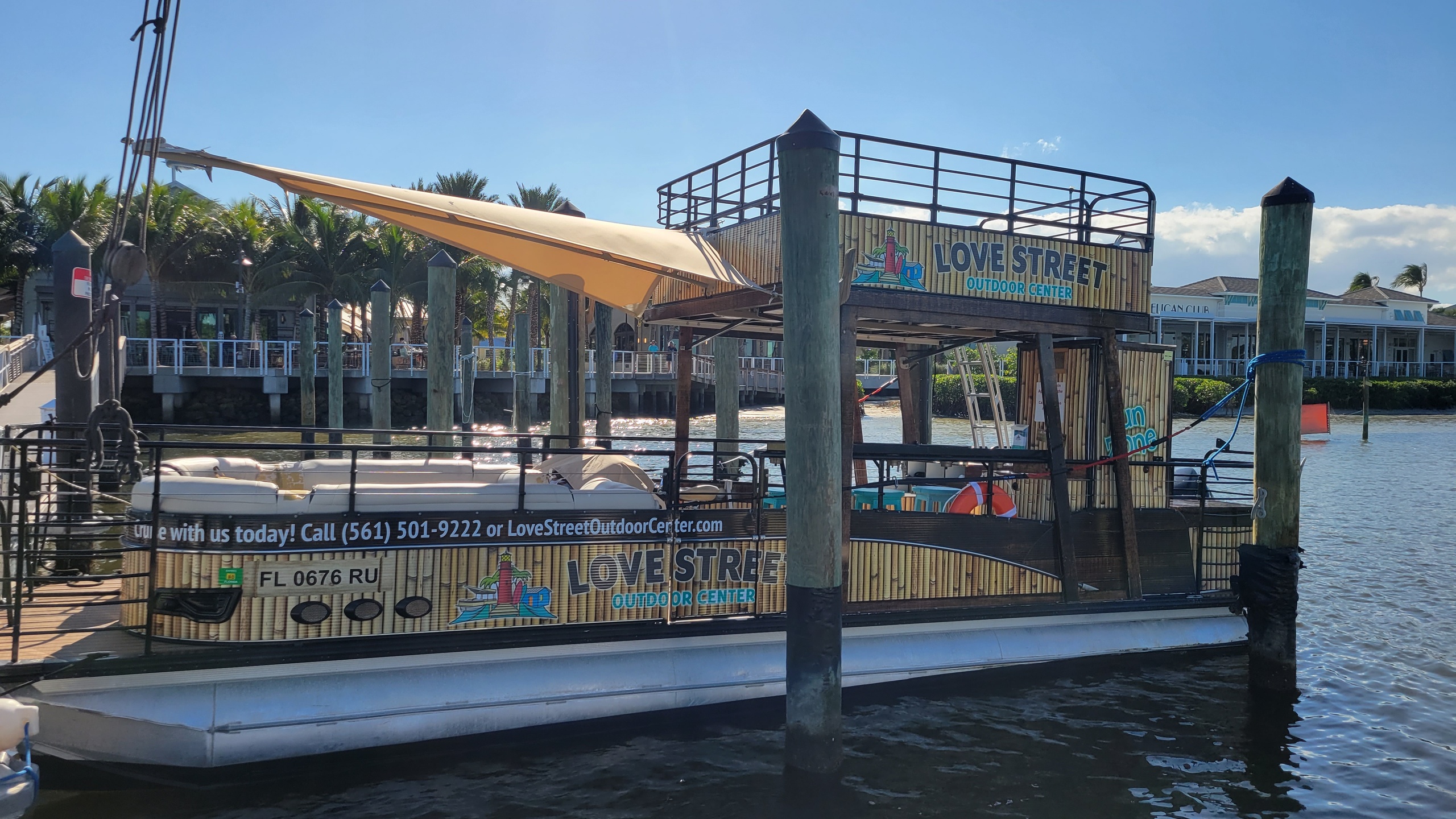 7
7Sightseeing Tour
Big Cypress is a slow-moving, wide-open world of cypress domes, sawgrass prairies, and mirror-flat sloughs. Sightseeing tours here trade the rush of summit-chasing for patient wildlife watching, intimate swamp photography, and cultural narratives woven through a landscape where water dictates everything. From guided swamp walks and eco-van drives to sunrise photo charters and airboat jaunts along the Tamiami Trail, Big Cypress offers hands-on ways to see the Everglades’ quieter, more varied side.
Explore sightseeing tour → 8
8Environmental Attraction
Big Cypress is less a place than a living, breathing interface where freshwater meets sun and sky: a mosaic of sawgrass marshes, cypress domes, tree islands and seasonal floodplain that supports one of the richest palettes of wildlife in subtropical North America. This guide focuses on the environmental attractions — the landscapes, habitat features, and viewing corridors that make Big Cypress essential for anyone drawn to wetlands, birding, photography, and slow, immersive nature experiences.
Explore environmental attraction → 9
9Boat Rental
Big Cypress is a water-first landscape: an interlacing maze of tannin-dark sloughs, marshy strands, sawgrass prairies, and slow-moving creeks that reward anyone willing to explore them by boat. Boat rental here is not just a convenience—it’s the primary way to experience the preserve’s intimate wildlife encounters, dawn-lit reflections, and hidden backwaters. This guide focuses on renting and using small boats, skiffs, flats boats, and kayaks to get deeper into the swamp, with practical advice on seasons, safety, navigation, and complementary activities.
Explore boat rental → 10
10Wildlife
Big Cypress is where sawgrass, cypress domes, and slow-moving waterways stage some of Florida's most intimate wildlife encounters. Expect eyes at waterline—alligators, wading birds, and otters—and the elusive silhouette of larger mammals at dusk. This guide focuses on experiencing wildlife responsibly, reading the landscape, and planning to get the most from dry-season visibility and wet-season breeding activity.
Explore wildlife → 11
11Eco Tour
Big Cypress is the slow, breathing marsh at the western edge of the Everglades: a network of cypress domes, blackwater sloughs, and sawgrass prairies threaded by winding waterways. Eco tours here are less about adrenaline and more about attention—an invitation to read water, track wading birds, and listen for the faint rasp of alligator breath. From guided swamp walks and tram rides to kayak slough runs and night-time owl prowls, tours emphasize habitat interpretation, conservation context, and safe, low-impact wildlife encounters. This guide focuses on the eco-tour experiences that deliver the best access to Big Cypress’s fragile systems while helping travelers plan seasons, logistics, and sensible packing for the swamp.
Explore eco tour → 12
12Kayak
Big Cypress is a slow, watery country—an intricate weave of cypress domes, sawgrass marshes, blackwater sloughs, and mangrove fingers where freshwater gives way to estuary. For paddlers, it’s a place of quiet lines, close wildlife encounters, and an intimate sense of scale: you move at the speed of the water, not the highway. This guide focuses on kayaking in and around Big Cypress—day trips through narrow sloughs, photographic runs at golden hour, multi-day campsite hops, and technical paddling where shallow drafts and route-finding matter more than horsepower. Expect seasonal swings in water level, a soundtrack of bird calls and tree frogs, and the steady presence of alligators. Practical information covers access points, ideal seasons, safety considerations, and gear lists tuned to paddling in subtropical wetlands.
Explore kayak → 13
13SUP
Big Cypress is slow water and sudden light—an expansive network of sloughs, cypress domes, tidal creeks, and mangrove-lined estuaries that invites paddlers into a near-primeval Florida. This guide collects the top SUP outings—day loops, estuary expeditions, and quiet marsh runs—that make the preserve an exceptional place to paddle, watch wildlife, and learn how southeastern wetlands move across seasons.
Explore sup → 14
14City Tour
City touring in the Big Cypress region is less about skyscrapers and more about the edges where town meets swamp: low-slung wooden storefronts, seafood shacks that smell of salt and smoke, boardwalks that thread into sawgrass, and interpretive centers that translate the scrub and cypress into stories. These tours highlight small-town culture, Indigenous history, working landscapes, and wildlife viewing opportunities that unfold along the Tamiami Trail and the preserve’s quiet side roads. Ideal for travelers who like their urban exploration mixed with sand, mosquitoes, and the sound of wading birds, Big Cypress city tours balance approachable walkability with encounters that feel wild and specific to South Florida.
Explore city tour → 15
15Surf
Big Cypress itself is a swamp-slow landscape of cypress dome and mangrove fringe, not a traditional surf town—but it is an ecological gateway to the Southwest Florida coast where Gulf swells and wind-driven peaks form the region’s most interesting surf options. This guide maps surfable breaks within reach of Big Cypress, explains seasonal swell drivers and tidal quirks, and offers practical advice for combining surf days with backcountry paddles, wildlife watching, and responsible travel through sensitive ecosystems.
Explore surf →The city and the sea
Why Big Cypress Belongs on Your Adventure Shortlist
Variety without surrendering the day to long transfers.
If the Everglades is a phrase that conjures wide horizons and sawgrass seas, Big Cypress is the close-up study—the braided, shadowed interior where water and tree meet. Here, the landscape reads like a wetland novel: tangled cypress knees, tannin-dark water that mirrors the sky, and a cast of animals whose movements mark the hours. Boat tours navigate sinuous sloughs that expand into shallow lakelets after the rains; kayak tours and SUP paddlers launch from small put-ins and slip into quiet channels where herons hunt and turtles sun themselves on exposed logs. For travelers chasing moments rather than distances, the pace is an essential part of the experience. Practical adventure options are surprisingly varied. Guided eco tours and wildlife-focused sightseeing tours provide context—seasonal bird migration, how water levels shape plant communities, and the subtle differences between cypress strands and surrounding marsh. Boat rental and small-boat operators let you skirt the edges of the preserve and reach quieter coves; fishermen chase snook and redfish in brackish outlets where freshwater meets the Gulf. Even bike rental shows up regionally: for those who want a hard-surface ride, the Tamiami Trail and designated roads offer a way to feel the land differently, a dry-land counterpoint to paddles and boat tours. A few of the top 15 activity types—like scuba or surf—land outside the preserve itself but belong in a broader South Florida itinerary. If your trip stretches toward the coast, snorkeling and scuba trips from nearby keys and Atlantic beaches add a saltwater chapter to your wetland days. Likewise, surf lessons or coastal SUP sessions can be paired with inland boat tours for travelers who want both shoreline waves and swamp silence in one trip. Big Cypress is also education in motion: environmental attractions and eco tours move beyond sightseeing into stewardship. Rangers and local guides explain hydrology, invasive plants, and the human histories that shaped the roads and small communities here. Those willing to slow down—arriving at first light, moving quietly between cypress trunks, or listening from the shoreline as dusk thickens—are rewarded with encounters that read as both intimate and cinematic. In short, Big Cypress asks you to trade speed for attention; do that, and it becomes less a checklist of activities and more a layered experience where boat tours, kayak floats, wildlife viewing, and eco education combine into a single, memorable trip.
Access is straightforward along the Tamiami Trail, and outfitters based near the preserve simplify logistics with boat rentals, guided kayak tours, and fishing charters. Plan around water levels—wet-season floods open more paddling routes but bring mosquitoes and heat; the dry season concentrates wildlife and offers cooler mornings.
A visit pairs well with coastal escapes. Combine inland eco tours and wildlife viewing with a day of snorkeling or scuba off the nearby Atlantic coast, or round out your trip with a relaxing Boat Tour along mangrove-lined estuaries—this regional mix showcases the full spectrum of South Florida habitats.
Conditions shape the day
The best time to visit Big Cypress.
Big Cypress experiences a wet, hot summer and a cooler, drier winter. Dry-season mornings are ideal for paddling, wildlife viewing, and fishing; summer increases paddling routes but brings afternoon thunderstorms and more insects. Hurricane season runs June–November—monitor forecasts during that period.
Best all-around window
Spring + fall
Comfortable mixed-itinerary weather, thinner crowds at beaches and lookouts, and more room to improvise.
Beach season
Winter months (December–March) are most popular due to cooler, drier conditions and concentrated wildlife viewing.
Surf + whales
Late spring and summer offer fewer crowds and expanded backcountry paddling routes; expect mosquitoes and plan for heat and rain.
Coast to inland
Cool marine mornings often give way to warmer inland afternoons and breezy evenings.
Beginner
Short, guided boat tours, park-boardwalk overlooks, and easy shore- or estuary-based fishing are ideal for first-time visitors.
- Guided boat sightseeing tour along a slough
- Short kayak intro on a sheltered canal
- Shoreline wildlife viewing and photography
Intermediate
Half‑day kayak loops, SUP on calm backwaters, and light fishing excursions with some route‑finding and paddling skills.
- Self-guided kayak tour through cypress channels
- SUP in protected marsh coves
- Half-day fishing charter targeting inshore species
Advanced
Multi-day backcountry paddles, technical navigation through braided slough systems, and combination itineraries that include coastal scuba or surf require planning, route knowledge, and experience.
- Multi-day canoe or kayak trip with primitive camping
- Advanced guided eco tour focusing on hydrology and restoration
- Combined inland and coastal expedition including snorkeling or scuba
Field kit
What to bring.
Pack for sun, salt water, walking, and a meaningful temperature swing between coast and inland Big.
Essential
Start here
- Light, breathable layers and a waterproof outer layer for sudden showers
- Insect repellent (DEET or picaridin) and a head net for wet-season outings
- Reusable water bottle and sunscreen (reef‑safe if you plan snorkel/scuba trips)
- Waterproof bags or dry sacks for electronics and documents
- Binoculars for birding and wildlife spotting
Water days
Keep it dry
- Wide‑brim hat and polarized sunglasses for glare on blackwater
- Quick‑dry clothing and water shoes with secure straps
- Compact first‑aid kit and basic marine flare or whistle if boating
- Maps or GPS with route waypoints if renting a boat or paddling independently
Long days
Stay flexible
- Lightweight spotting scope for distant birds and swamp panoramas
- Action camera with floatation tether for kayaking or SUP
- Guidebooks or species checklists for local flora and fauna
Insider note
Start early, then keep the geography tight.
Start at first light for the best wildlife viewing and calmer water. Book guided trips in the dry season to maximize sightings; in wet months, ask outfitters about insect conditions and bring extra repellent. If renting a boat or kayak, confirm launch points and low-water alternatives. Pair an inland day in Big Cypress with a coastal day for snorkeling or scuba—this contrast highlights the ecological variety of South Florida. Always follow Leave No Trace: pack out what you bring and avoid disturbing wildlife or vegetation.
Good to know
Frequently asked questions.
Do I need a guide for paddle or boat trips?
No for short, marked routes, but a guide is strongly recommended for backcountry paddles, complex sloughs, or first-time visitors—guides provide local knowledge on water levels, wildlife safety, and navigation.
Can I combine Big Cypress with scuba or surf activities?
Yes. Scuba and surf are coastal activities best arranged from nearby coastal towns or keys; they pair well with inland boat tours, fishing charters, and eco tours in a multi-day itinerary.
Are there safety concerns with wildlife?
Observe wildlife from a distance. Alligators, snakes, and large wading birds are common—avoid feeding or approaching animals, stay on designated paths or inside boats, and follow guide or ranger instructions.
Ready when you are
Find the trip that fits your Big Cypress day.
Compare bookable experiences across the coast, city, and mountains—then save the ones that belong in your plan.
Explore all Big Cypress adventures ↗