About this landmark
Baobab Wonders at Nxai Pan National Park
Nestled within Botswana’s untamed wilderness, Nxai Pan National Park offers a stunning array of natural marvels. Known for its iconic baobab trees, the park presents a unique landscape that delights visitors with its mesmerizing expanses and diverse wildlife. Established as a national park in 1992, Nxai Pan invites adventurers to experience its enchanting beauty firsthand.
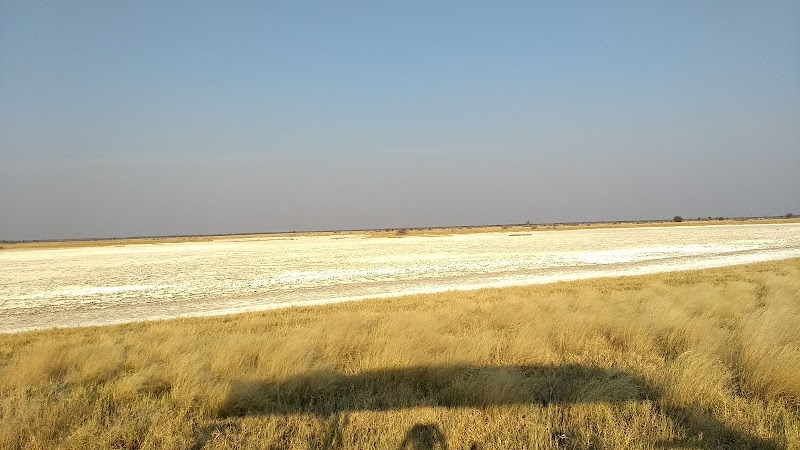
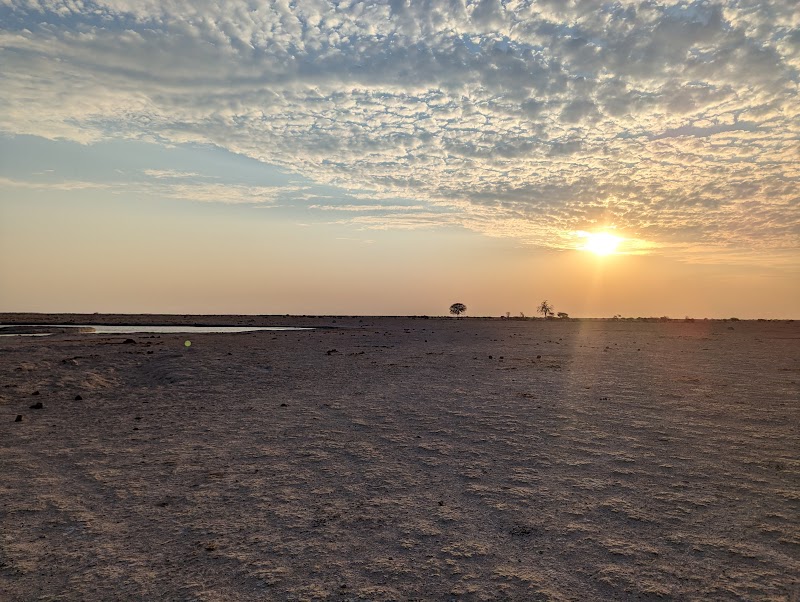
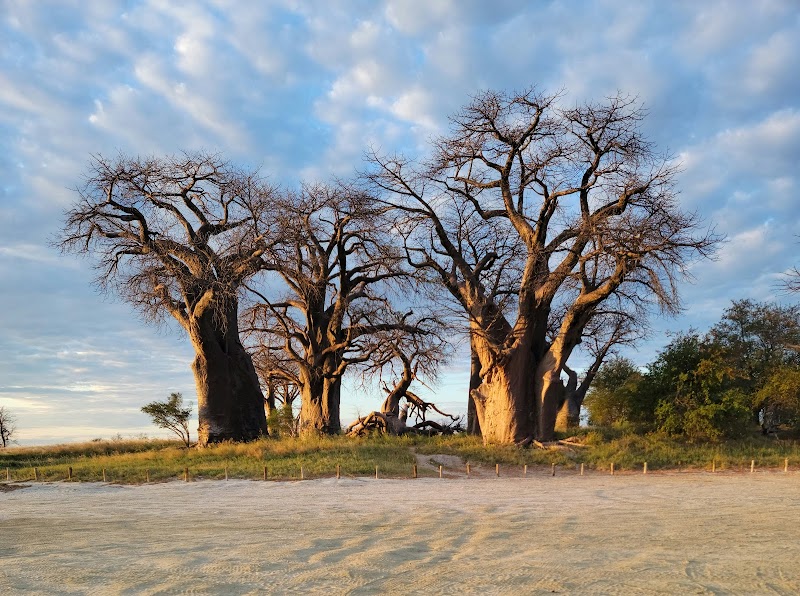
These ancient baobabs, with their gnarled branches reaching toward the sky, are a signature feature of the park. Their impressive silhouettes are complemented by the shimmering salt flats and pans, remnants of an ancient lakebed. These ecological treasures provide sanctuary to a multitude of species, including elephants, giraffes, and assorted birdlife, making it a paradise for wildlife enthusiasts.
The park’s rich tapestry of flora and fauna combines with historical significance, as it was once part of a larger system that included the neighbouring Makgadikgadi Pan. Such connections offer an extraordinary glimpse into the Earth’s geological past. Experience the grandeur of Nxai Pan National Park and create unforgettable memories in this captivating environment.
Adventure Guide to Nxai Pan National Park
Baobab Tree Visit
- What makes it special: Stand among the ancient baobabs, with their striking forms and rich history.
- Key features: Photographic opportunities abound, with the chance to learn about the cultural significance of these trees.
- Visitor Tips:
- Best times to visit: Dry season (May to September).
- What to bring: Camera, sun hat, water.
- Directions: Approximately 150 km from Maun by road; expect around a 3-hour drive.
Wildlife Spotting
- What makes it special: Witness elephants, lions, and rare birds in natural habitats.
- Key features: Guided safaris and self-drive options available.
- Visitor Tips:
- Best times to visit: Early morning or late afternoon.
- What to bring: Binoculars, insect repellent.
- Local insight: Engage a local guide for in-depth exploration.
Stargazing Experience
- What makes it special: Pristine sky for stargazing due to minimal light pollution.
- Key features: Clear view of constellations and celestial events.
- Visitor Tips:
- Best times to visit: New moon nights.
- What to bring: Telescope or binoculars, warm clothing.
Visitor Tips
- Best Times:Dry season (May to September) for favorable conditions and optimal lighting.
- What to Bring:Plenty of water, sun protection, a camera, and respectful Leave-No-Trace mindset.