THE ADVENTURE COLLECTIVE® · Independent discovery and booking for outdoor travel

Glide through reed-lined channels and spend two nights in a remote island bush camp on this 3-day Okavango mokoro and walking safari. Expect close wildlife encounters, expert local polers, and hands-on tracking on foot.
Glide through reed-lined channels and spend two nights in a remote island bush camp on this 3-day Okavango mokoro and walking safari. Expect close wildlife encounters, expert local polers, and hands-on tracking on foot.
The first paddle parts the silence — reeds whisper, water slips like a slow current guiding you deeper into a green maze. On a morning mokoro, the guide stands at the stern and polestrokes you through narrow channels, hippos grunting in the distance and kingfishers flashing at the reed edge.
Verified experiences and guided adventures in the surrounding area.
Operated by Knap Tours · Maun, North-West District
The first paddle parts the silence — reeds whisper, water slips like a slow current guiding you deeper into a green maze. On a morning mokoro, the guide stands at the stern and polestrokes you through narrow channels, hippos grunting in the distance and kingfishers flashing at the reed edge.
This three-day journey from Maun covers two nights of wilderness bush camping on a permanent island in the Okavango Delta. The Delta is a seasonal inland floodplain that drains into a basin rather than the sea; that slow geology creates a patchwork of lagoons, channels, and grassy islands that support dense wildlife and prolific birdlife. Local polers and trackers draw on generations of river knowledge — mokoro travel and walking safaris are traditional approaches adapted for low-impact access.
Expect early starts: a sunrise walking safari led by trackers, relaxed afternoons exploring by mokoro, and nights under a canvas shelter with campfires and simple meals included. Terrain is flat but uneven — soft island soil, reed-banked channels, and shallow water crossings; elevation is minimal around Maun (~930 m).
Practical notes: travel time begins at Maun Airport with road transfer to the poling station; the program includes meals, camping, and transfers back to Maun. Bring a dry bag, closed-toe shoes, insect protection, sun protection, and a headlamp. Keep distance from wildlife — elephants and hippos can appear suddenly. Best wildlife viewing is during the dry season when animals concentrate in remaining water, but birding is excellent during higher floods. This trip balances serene mokoro travel with active, low-impact walking — intimate, sensory, and rooted in local rivercraft.
moderate.
3 days (approx. 72 hours).
Suitable for travelers in reasonable health—comfortable standing in a mokoro, short to moderate walks on uneven ground, and basic camping.
The itinerary is rated easy to moderate—most activities are low-intensity but require balance in a mokoro and comfortable walking on soft, uneven ground.
Camps are classic wilderness bush camps with basic long-drop or portable toilets and sponge-wash facilities; no full showers are expected on-site.
Yes—Maun and the Delta are in a malaria zone; consult a travel clinic for prophylaxis and use mosquito protection at camp.
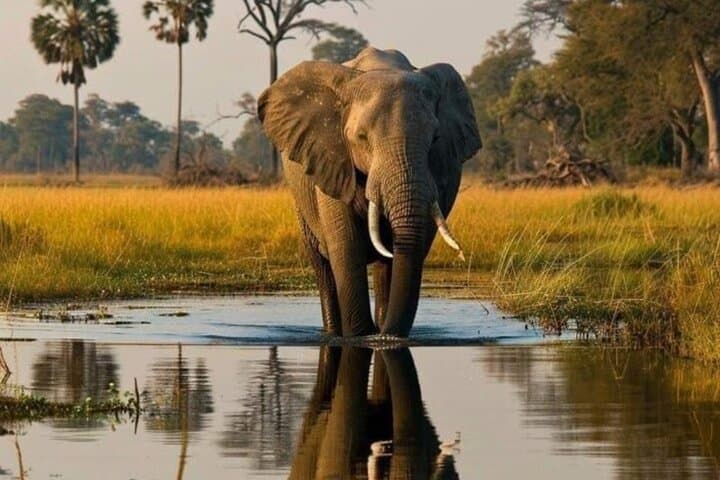
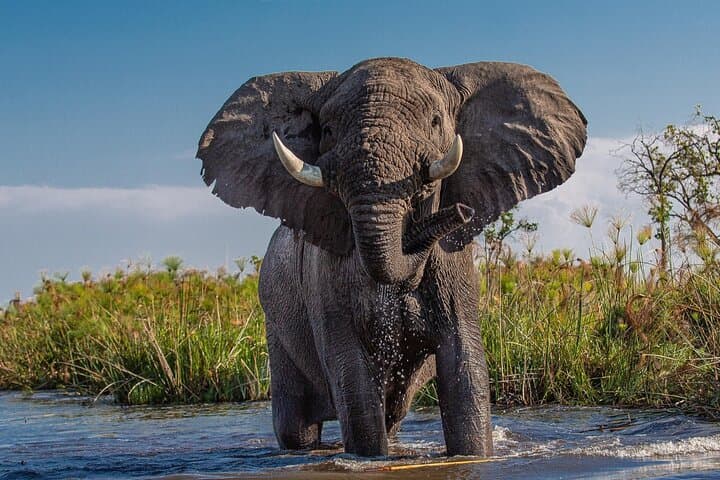
You can often see hippos and elephants near channels; guides manage routes to minimize risk, and walking safaris increase chances to spot smaller mammals and birds.
The Okavango Delta is a unique inland flood system and was inscribed as a UNESCO World Heritage Site for its ecological significance; local poling and tracking practices reflect centuries of living with seasonal floods.
Trips operate with low-impact camping and local guides to minimize disturbance; water management and development upstream remain major conservation concerns for the Delta's future.
Knap Tours operates guided outdoor trips and adventures with an emphasis on safety, stewardship, and memorable experiences.
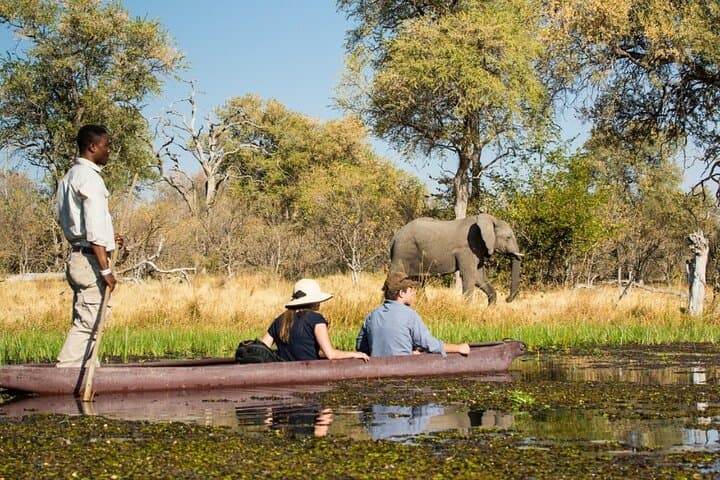
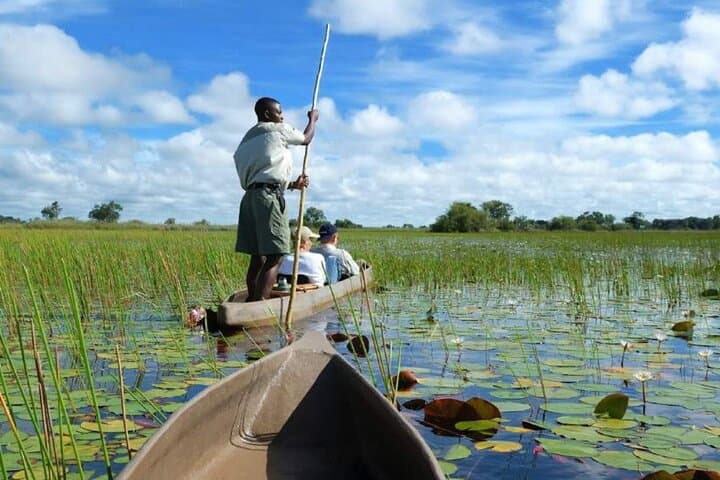
The first paddle parts the silence — reeds whisper, water slips like a slow current guiding you deeper into a green maze. On a morning mokoro, the guide stands at the stern and polestrokes you through narrow channels, hippos grunting in the distance and kingfishers flashing at the reed edge.
The first paddle parts the silence — reeds whisper, water slips like a slow current guiding you deeper into a green maze. On a morning mokoro, the guide stands at the stern and polestrokes you through narrow channels, hippos grunting in the distance and kingfishers flashing at the reed edge.
This three-day journey from Maun covers two nights of wilderness bush camping on a permanent island in the Okavango Delta. The Delta is a seasonal inland floodplain that drains into a basin rather than the sea; that slow geology creates a patchwork of lagoons, channels, and grassy islands that support dense wildlife and prolific birdlife. Local polers and trackers draw on generations of river knowledge — mokoro travel and walking safaris are traditional approaches adapted for low-impact access.
Expect early starts: a sunrise walking safari led by trackers, relaxed afternoons exploring by mokoro, and nights under a canvas shelter with campfires and simple meals included. Terrain is flat but uneven — soft island soil, reed-banked channels, and shallow water crossings; elevation is minimal around Maun (~930 m).
Practical notes: travel time begins at Maun Airport with road transfer to the poling station; the program includes meals, camping, and transfers back to Maun. Bring a dry bag, closed-toe shoes, insect protection, sun protection, and a headlamp. Keep distance from wildlife — elephants and hippos can appear suddenly. Best wildlife viewing is during the dry season when animals concentrate in remaining water, but birding is excellent during higher floods. This trip balances serene mokoro travel with active, low-impact walking — intimate, sensory, and rooted in local rivercraft.