About this landmark
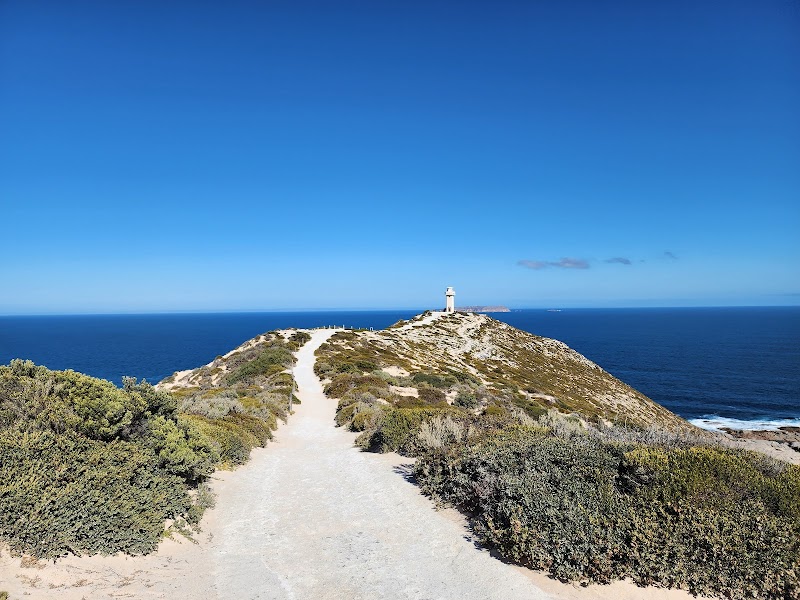
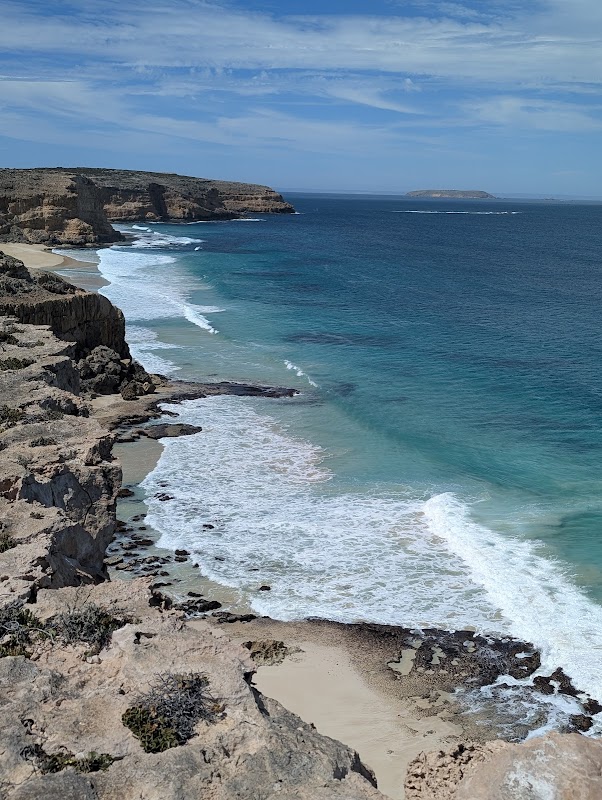
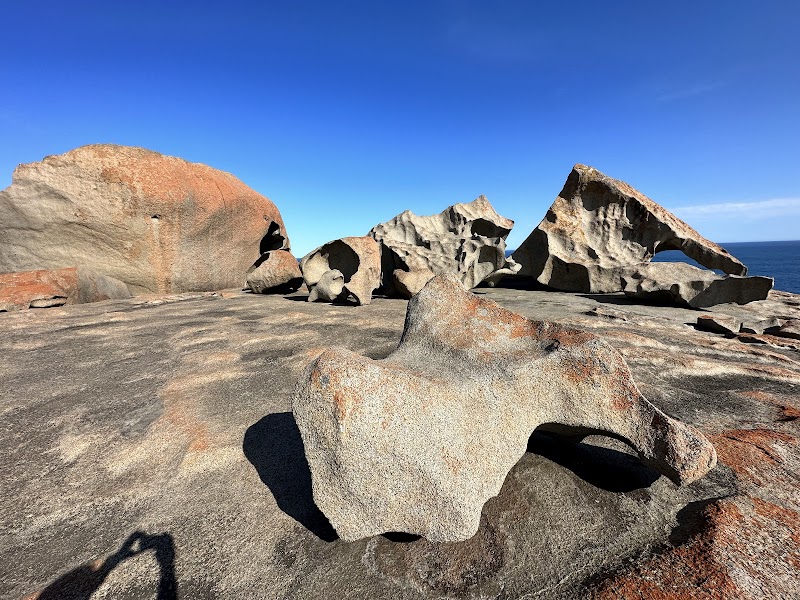
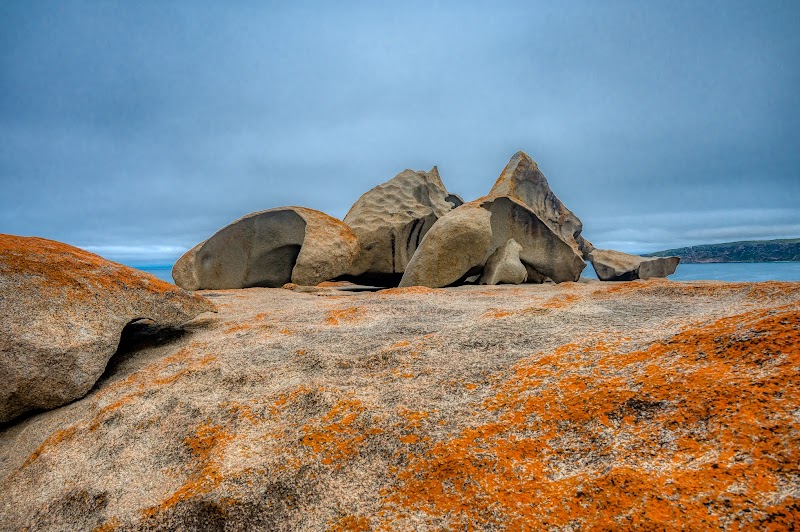
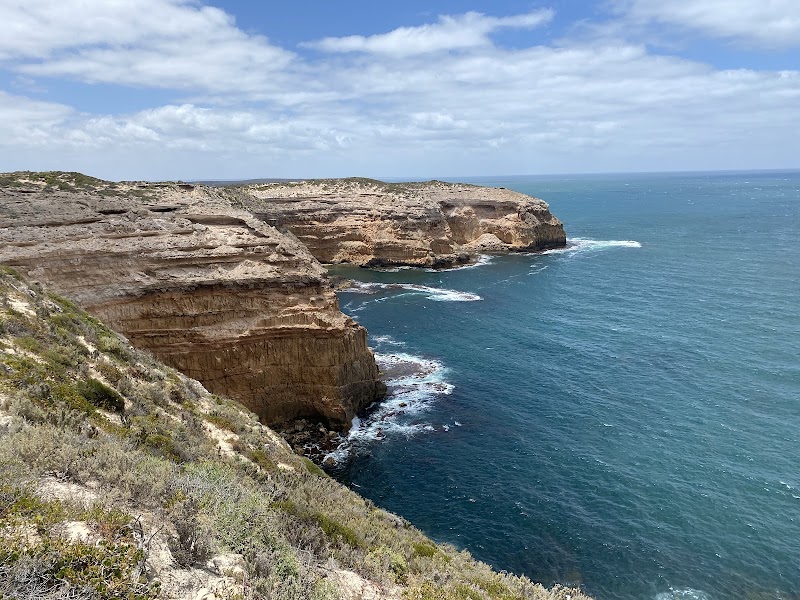
Dhilba Guuranda-Innes National Park, situated on the picturesque Yorke Peninsula in South Australia, offers a stunning blend of natural beauty and cultural significance. Known for its rugged coastlines and rich biodiversity, this area stands out for its dramatic cliffs and pristine beaches. The park covers a diverse landscape where coastal hikes reveal breathtaking views and unique geological formations. Visitors can explore the park's history, with many sites showcasing remnants of early European settlement and the rich cultural heritage of the local Narungga people. Established in 1970, the park also serves as a sanctuary for native wildlife, including kangaroos and abundant bird species. Dhilba Guuranda-Innes National Park's stunning vistas and diverse ecosystems make it a must-visit destination.
Adventure Guide
Adventure Guide To Dhilba Guuranda-Innes National Park
Hiking Trails
- Key Features: Scenic walks like the West Cape Headland Hike offer panoramic views of the Southern Ocean and lush vegetation.
- Local Insights: The trails often pass through historical sites, providing a glimpse into past settlements.
- Visitor Tips: Best explored in spring when wildflowers bloom; wear sturdy boots and bring water.
Surfing at Pondalowie Bay
- Key Features: Known for its excellent surf, Pondalowie Bay offers waves suited for various skill levels.
- Local Insights: The bay is popular among locals and often has the best swells in autumn.
- Visitor Tips: Bring your surfboard and wetsuit; the area has basic campgrounds nearby for accommodations.
Wildlife Watching
- Key Features: Discover diverse wildlife such as emus and kangaroos in their natural habitat.
- Local Insights: Early morning walks are the best time to spot wildlife; always respect the animals' space.
- Visitor Tips: Carry binoculars for a better view and use sunscreen and hats for sun protection.
To reach Dhilba Guuranda-Innes National Park, drive approximately 3 hours from Adelaide via the Port Wakefield Road to the Yorke Peninsula.
Visitor Tips
- Best Times:Spring for favorable conditions and optimal lighting.
- What to Bring:Plenty of water, sun protection, a camera, and respectful Leave-No-Trace mindset.