THE ADVENTURE COLLECTIVE® · Independent discovery and booking for outdoor travel

Join a small-group 4WD tour on Kangaroo Island after dusk to see wallabies, possums, koalas and little penguins in their nightly routines. This 2–3 hour experience blends guided wildlife viewing with practical conservation-minded etiquette.
Join a small-group 4WD tour on Kangaroo Island after dusk to see wallabies, possums, koalas and little penguins in their nightly routines. This 2–3 hour experience blends guided wildlife viewing with practical conservation-minded etiquette.
The sun has slipped behind coastal ridges and the island exhales; gum trees toss their leaves and narrow tracks darken into shadowed corridors. On this 2–3 hour 4WD tour, the landscape shifts from daytime calm to a nervous, active place where crunching paws and soft calls guide the way. Your guide eases the vehicle onto sandy tracks, headlights dim to preserve night vision, and the island’s nocturnal cast begins its entrance.
Verified experiences and guided adventures in the surrounding area.
Operated by Kangaroo Island Hire a Guide · Kingscote, South Australia
The sun has slipped behind coastal ridges and the island exhales; gum trees toss their leaves and narrow tracks darken into shadowed corridors. On this 2–3 hour 4WD tour, the landscape shifts from daytime calm to a nervous, active place where crunching paws and soft calls guide the way. Your guide eases the vehicle onto sandy tracks, headlights dim to preserve night vision, and the island’s nocturnal cast begins its entrance.
Kangaroo Island was charted by Matthew Flinders in 1802 and, unlike mainland South Australia, had no lasting Indigenous settlements at first contact—though evidence shows Aboriginal groups visited. Geologically the island is a mix of ancient granites and coastal limestone, carved by waves and weather into cliffs, caves and broad beaches; those formations shape where animals shelter and feed after dark.
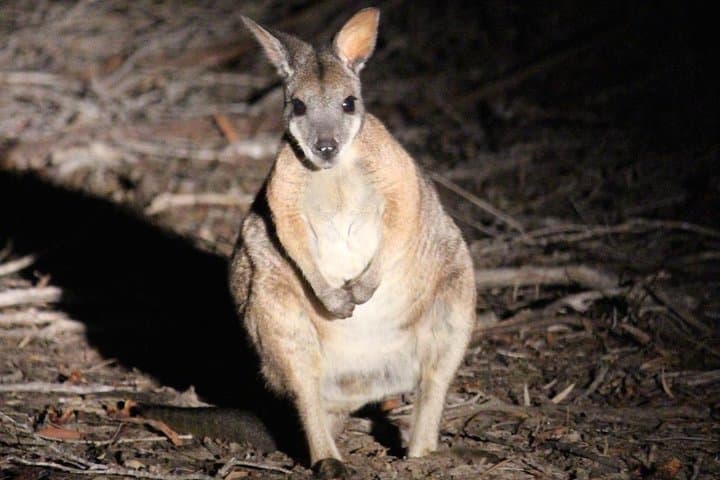
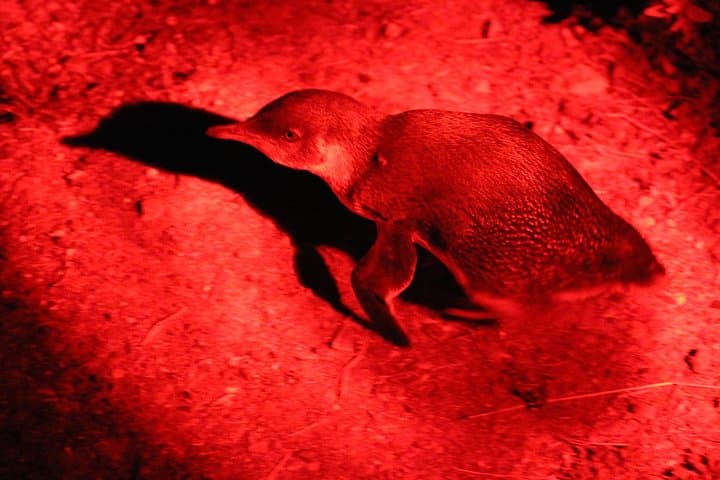
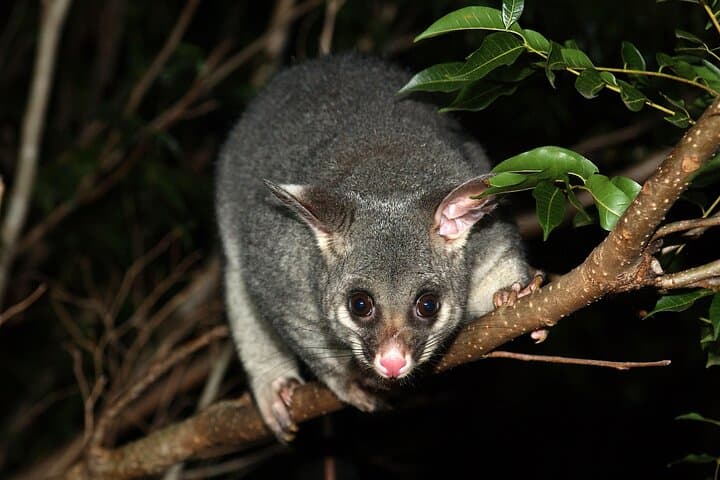
Culturally the island balances small farming communities with strong conservation efforts: Parks staff and local operators work to protect Little Penguins, koalas and native vegetation from feral predators and habitat loss. At night you’ll search open scrub and roadside clearings for Tammar wallabies, brush-tailed possums, western grey kangaroos, and—with luck—the waddling return of little penguins.
Practical guidance: dress in layered, windproof clothing and sturdy shoes for uneven ground; skip flash photography and follow the guide’s distance rules to avoid stressing wildlife. Bring a compact pair of binoculars, a headlamp with a red-light setting, and expect stretches of standing and short, soft-surface walks. Tours run in small groups in 4WDs—comfortable but bumpy—so prepare for a hands-on, respectful encounter with Kangaroo Island’s nocturnal life.
easy.
2–3 hours.
Suitable for most fitness levels; participants should be able to stand and walk short distances over uneven ground.
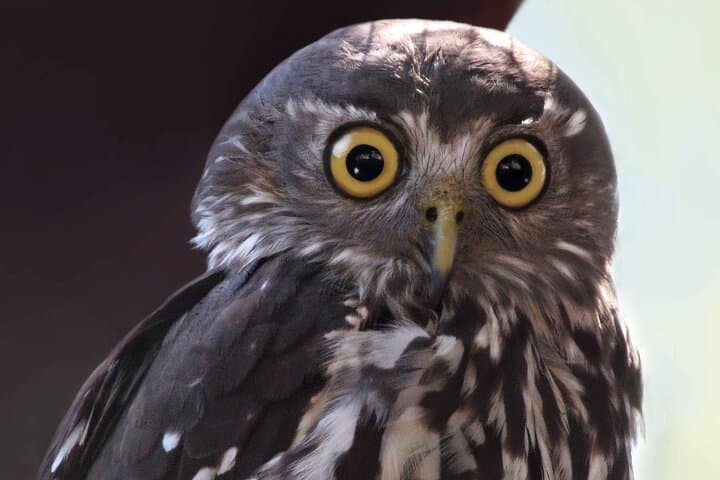
Common sightings include western grey kangaroos, Tammar wallabies, brush-tailed possums and koalas; occasional little penguins, owls or echidnas appear depending on season and luck.
Children are welcome but must be accompanied by an adult; the operator notes wheelchair accessibility for parts of the tour but contact the provider to confirm specifics and transfer needs.
Yes, but avoid flash—use long exposures on a tripod or a red-filtered light and follow the guide’s instructions to avoid disturbing animals.
Full refunds are typically available if you cancel at least 24 hours before departure; check the booking confirmation for specific terms and minimum passenger requirements.
Charted by Matthew Flinders in 1802, Kangaroo Island had limited permanent Aboriginal settlement at European contact but has long been a seasonal resource for Indigenous visitors.
Local groups run predator-control and habitat-restoration programs; visitors should stay on tracks, keep distances from animals and avoid feeding wildlife.
Kangaroo Island Hire a Guide operates guided outdoor trips and adventures with an emphasis on safety, stewardship, and memorable experiences.
The sun has slipped behind coastal ridges and the island exhales; gum trees toss their leaves and narrow tracks darken into shadowed corridors. On this 2–3 hour 4WD tour, the landscape shifts from daytime calm to a nervous, active place where crunching paws and soft calls guide the way. Your guide eases the vehicle onto sandy tracks, headlights dim to preserve night vision, and the island’s nocturnal cast begins its entrance.
The sun has slipped behind coastal ridges and the island exhales; gum trees toss their leaves and narrow tracks darken into shadowed corridors. On this 2–3 hour 4WD tour, the landscape shifts from daytime calm to a nervous, active place where crunching paws and soft calls guide the way. Your guide eases the vehicle onto sandy tracks, headlights dim to preserve night vision, and the island’s nocturnal cast begins its entrance.
Kangaroo Island was charted by Matthew Flinders in 1802 and, unlike mainland South Australia, had no lasting Indigenous settlements at first contact—though evidence shows Aboriginal groups visited. Geologically the island is a mix of ancient granites and coastal limestone, carved by waves and weather into cliffs, caves and broad beaches; those formations shape where animals shelter and feed after dark.
Culturally the island balances small farming communities with strong conservation efforts: Parks staff and local operators work to protect Little Penguins, koalas and native vegetation from feral predators and habitat loss. At night you’ll search open scrub and roadside clearings for Tammar wallabies, brush-tailed possums, western grey kangaroos, and—with luck—the waddling return of little penguins.
Practical guidance: dress in layered, windproof clothing and sturdy shoes for uneven ground; skip flash photography and follow the guide’s distance rules to avoid stressing wildlife. Bring a compact pair of binoculars, a headlamp with a red-light setting, and expect stretches of standing and short, soft-surface walks. Tours run in small groups in 4WDs—comfortable but bumpy—so prepare for a hands-on, respectful encounter with Kangaroo Island’s nocturnal life.