About this landmark
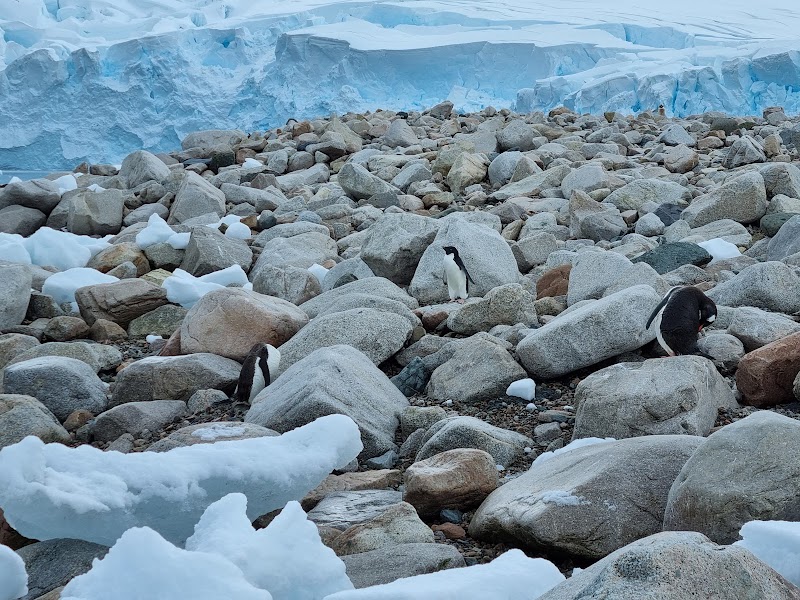
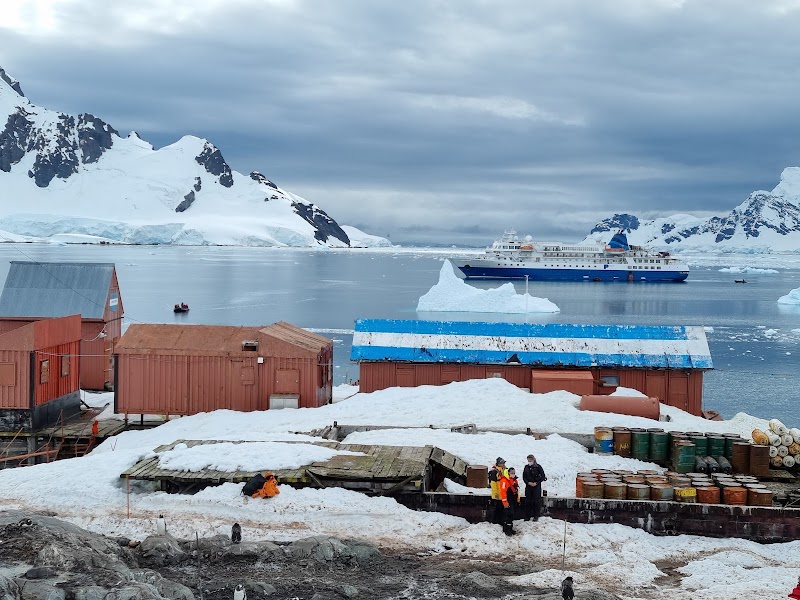
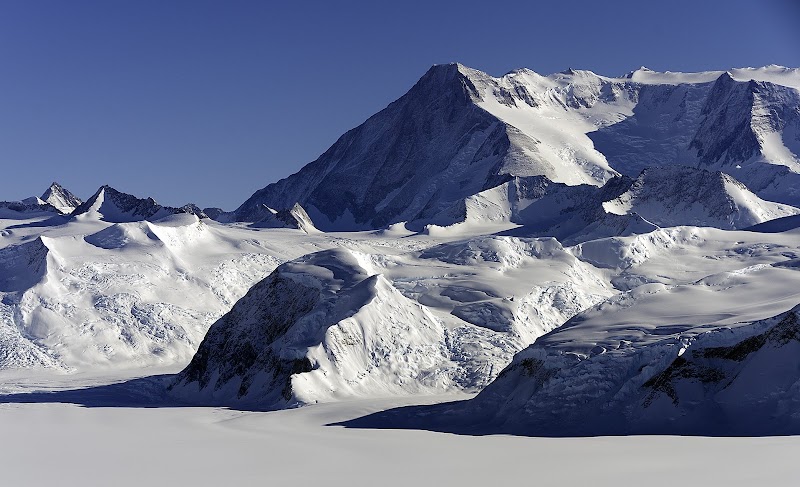
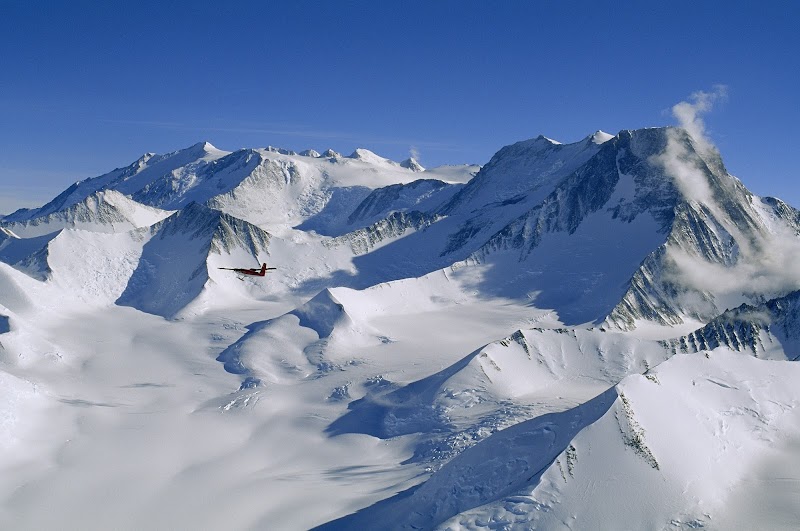
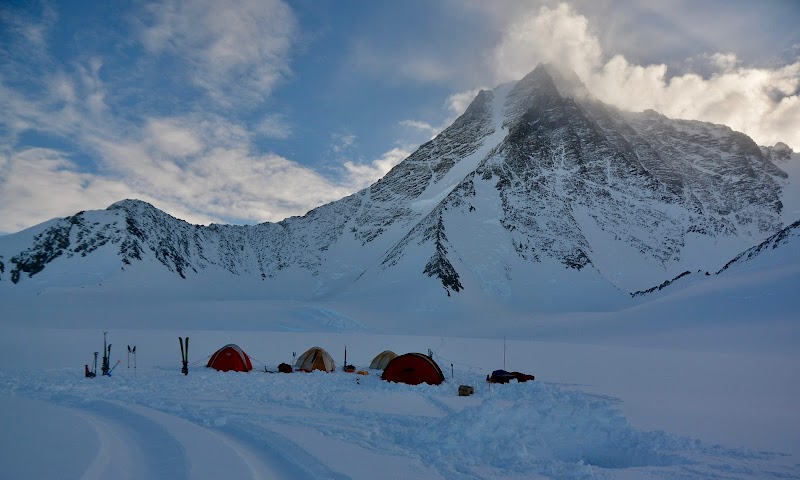
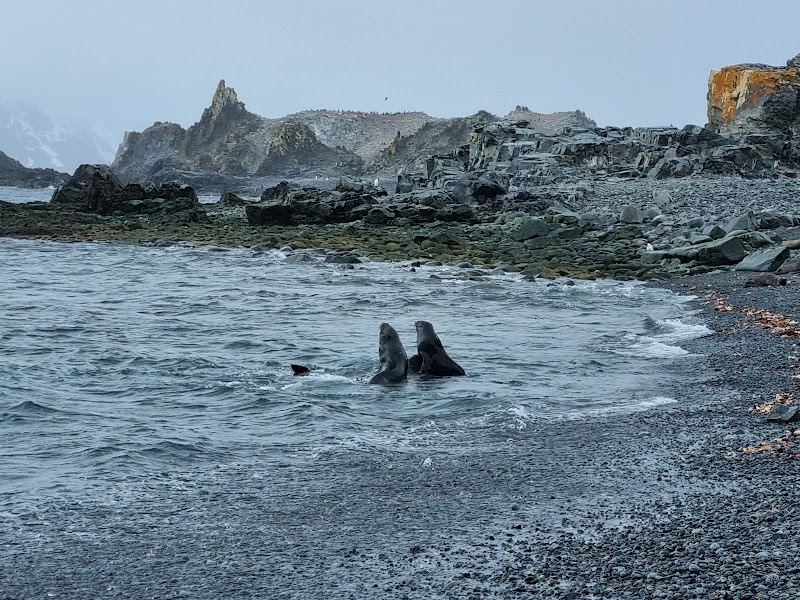
Antarctica, the icy continent at the southernmost point of the Earth, offers a stunning landscape unlike any other. Known for its towering glaciers, expansive ice fields, and pristine wildlife habitats, this remote region is a haven for scientists and adventure enthusiasts alike. The image captures the rugged coastline with its rocky beaches and the characteristic presence of seals basking in the cold waters. Antarctica’s unique ecosystem includes diverse species such as penguins, seals, and seabirds, all thriving in an unforgiving climate.
The continent's breathtaking vistas are marked by gigantic icebergs floating majestically in the sea, offering a surreal backdrop to one's travels. Its historical significance dates back to early explorers like Roald Amundsen and Ernest Shackleton, who braved the elements to uncover this last great wilderness on Earth. Visitors today can witness the splendor of this frozen paradise, all while gaining an appreciation for its delicate environment.
Antarctica stands out as a singular travel destination due to its untouched beauty and rare natural phenomena. The stark contrast of the icy white landscape against the deep blue ocean creates a mesmerizing scene that draws photographers and nature lovers. With its status as a protected region, efforts are continuously made to preserve its ecological integrity, enabling future generations to marvel at its wonder. For those seeking adventure and discovery, Antarctica offers a truly incomparable experience.
Adventure Guide
Adventure Guide To Antarctica
-
Penguin Watching at South Georgia
- Special Feature: Home to one of the world’s largest king penguin colonies.
- Key Features: Mass gatherings of penguins with scenic mountain backdrops.
- Local Insights: South Georgia is also rich in history, known for its whaling stations.
- Visitor Tips:
- Best Time: October to March.
- What to Bring: Warm clothing, binoculars.
-
Kayaking Through Icebergs
- Special Feature: Navigate between giant icebergs and witness wildlife up close.
- Key Features: Pristine waters, unique perspective of the continental landscape.
- Local Insights: Be prepared for rapidly changing weather conditions.
- Visitor Tips:
- Best Time: November to March.
- What to Bring: Waterproof gear, sunscreen, camera.
-
Hiking on Deception Island
- Special Feature: Active volcanic island with unique landscapes.
- Key Features: Black sand beaches, geothermal waters.
- Local Insights: Former whaling station with historical remnants.
- Visitor Tips:
- Best Time: December to February.
- What to Bring: Sturdy hiking boots, layered clothing.
- Directions: Access via ship; commonly included in cruise itineraries.
Visitor Tips
- Best Times:October to March for favorable conditions and optimal lighting.
- What to Bring:Plenty of water, sun protection, a camera, and respectful Leave-No-Trace mindset.