About this landmark
Vinson Massif: Antarctica’s Towering Ice Giant
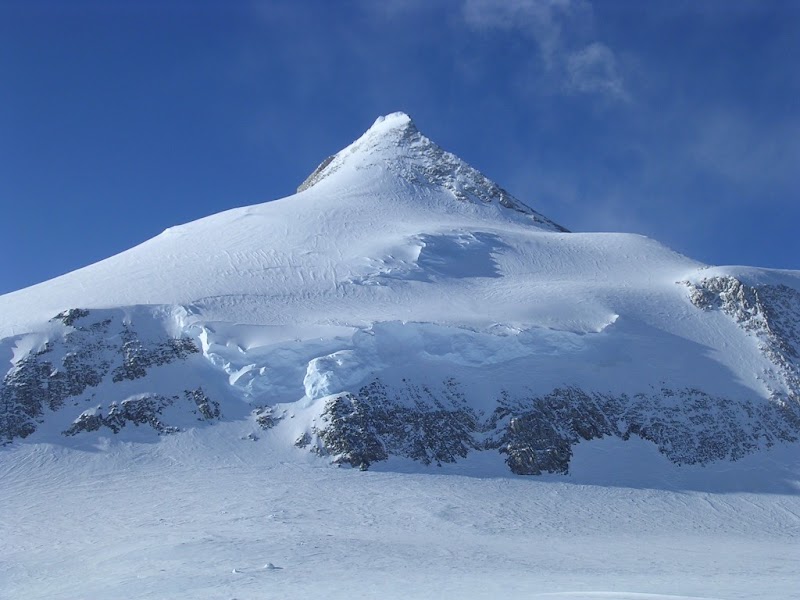
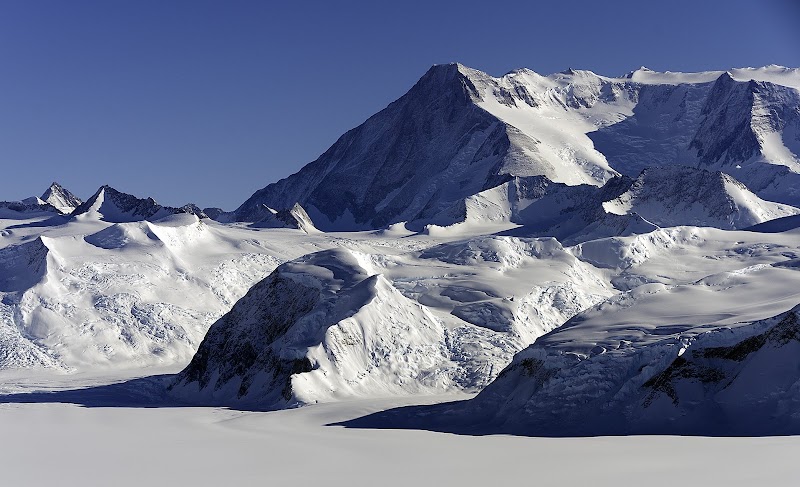
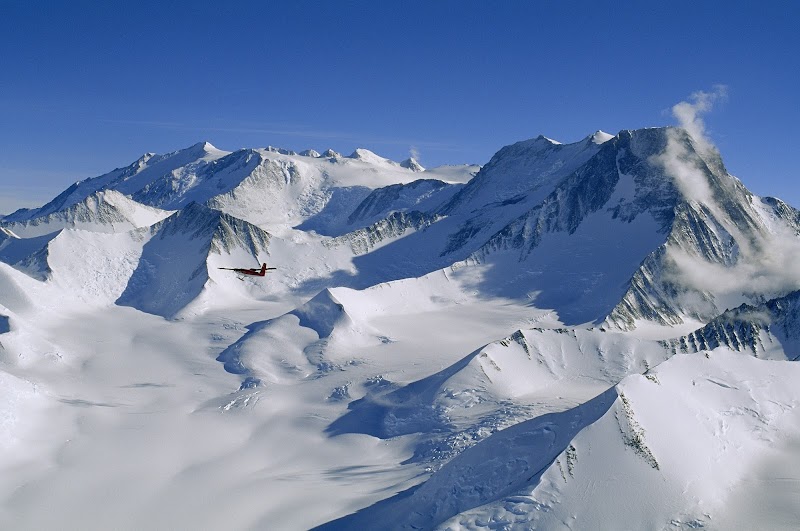
Vinson Massif is the highest mountain in Antarctica, rising sharply within the vast Ellsworth Mountains. At 16,050 feet (4,892 meters), this peak offers one of the most extraordinary mountain experiences on Earth’s coldest continent. Located in a remote, icy wilderness far from civilization, Vinson Massif draws those seeking solitude and raw natural beauty in a landscape largely untouched by human activity.
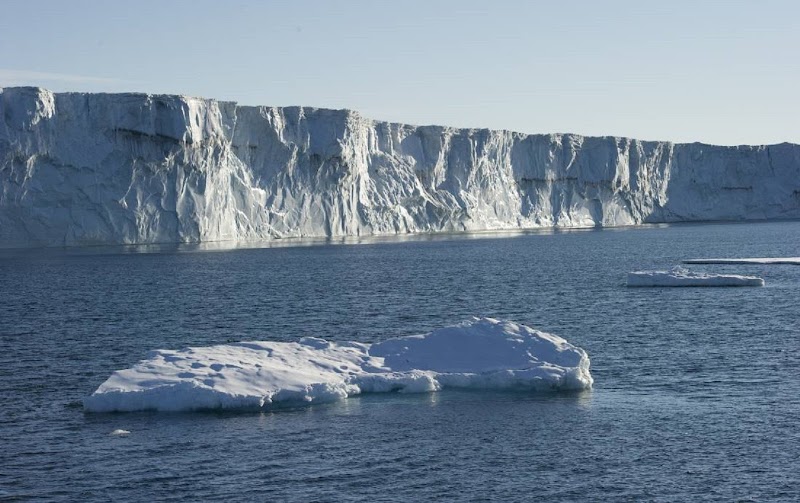
This massif is dominated by a massive ice cap that blankets its summit and rugged slopes. The towering glaciers display stunning shades of blue, shaped by centuries of compression and movement, forming deep crevasses and icefalls that highlight the mountain’s dramatic form. The entire range presents a harsh yet breathtaking environment where the sky meets the endless white of the Antarctic ice sheet.
First successfully climbed in 1966, Vinson Massif’s relative recent conquest reflects the difficulty and isolation of this peak. Unlike more accessible mountains worldwide, reaching Vinson Massif requires significant planning, endurance, and respect for extreme elements. The region supports little to no vegetation or wildlife due to its climate, emphasizing the stark purity of its frozen landscape.
Travellers who have visited Vinson Massif often describe feeling a unique connection with Antarctica’s vast stillness, an unforgettable experience enhanced by the challenge of ascending the continent’s highest point. With panoramic views that stretch over miles of uninterrupted ice and rock, this destination stands out as a remarkable achievement for climbers and nature lovers interested in one of the planet’s final frontiers.
Adventure Guide to Vinson Massif
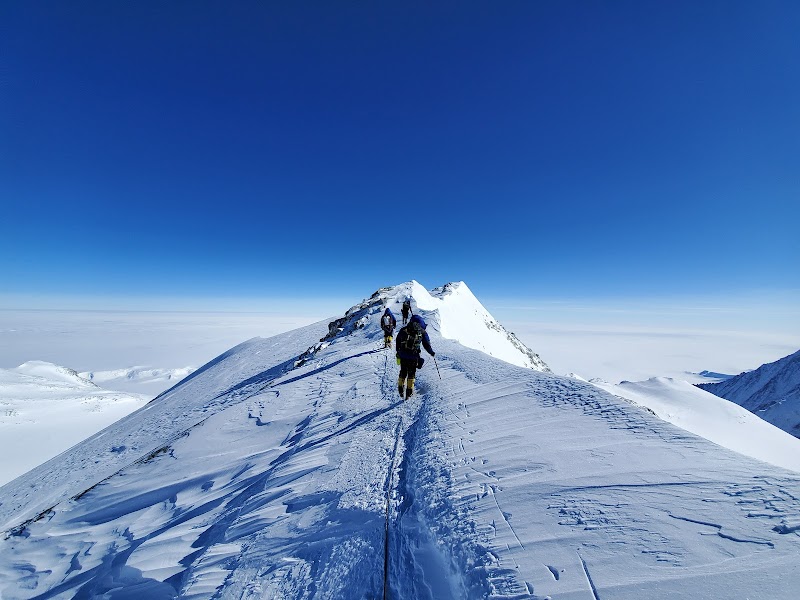
1. Summit Climb of Vinson Massif
- What it is: Climbing Antarctica’s tallest peak (16,050 ft).
- Why it’s special: The challenge of conquering a remote, icy mountain with vast panoramic vistas.
- Features: Rugged ice caps, glaciers, crevasses, and breathtaking elevation.
- Local Insight: First summited in 1966, this climb remains demanding due to extreme weather and isolation.
- Visitor Tips:
- Best time: Antarctic summer (November to January).
- Bring: High-altitude cold-weather gear, crampons, and mountaineering tools.
- Access: Flights from Punta Arenas, Chile, then transfer to a ski-equipped plane (approx. 4.5-hour flight).
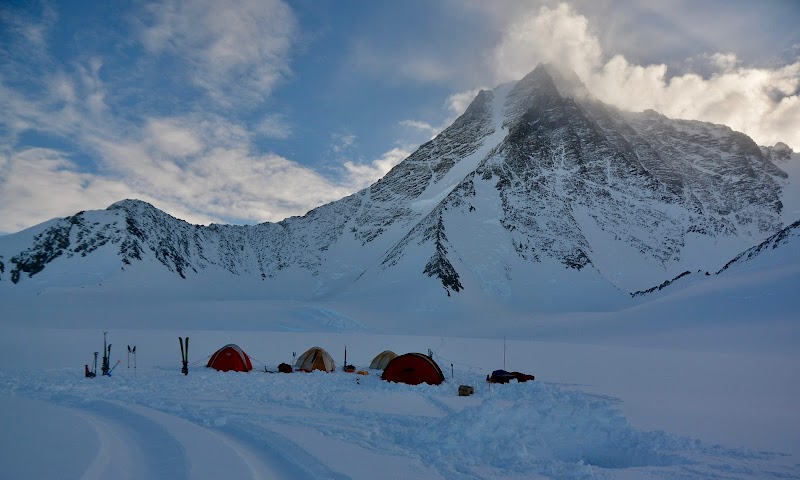
2. Base Camp Experience
- What it is: Setting up camp at the foot of Vinson Massif to acclimate and prepare.
- Why it’s special: Enjoy stunning ice formations and a high-altitude polar environment.
- Features: Wide snowfields, glaciers, and quiet isolation.
- Visitor Tips:
- Gear: Layered thermal clothing and insulated boots.
- Photo ops: Capturing untouched Antarctic scenery.
- Note: No local amenities—bring all supplies.
3. Glacier Trekking Nearby
- What it is: Trekking across expansive blue glaciers surrounding Vinson Massif.
- Why it’s special: Unique icy terrain with crevasses and icefalls.
- Features: Crystal ice formations with striking colors.
- Visitor Tips:
- Bring: Ice axe, crampons, and rope for safety.
- Guided tours recommended for navigation and safety.
- Timing: Best during the warmer, stable summer months.
Practical Information
- Travel: Reach Punta Arenas, Chile, then take a chartered flight to the Antarctic airstrip near Vinson Massif.
- Best months: November through January for milder temperatures and longer daylight.
- Essentials to bring: Thermal layers, mountaineering equipment, sunscreen, high-calorie snacks, and plenty of water.
- Important: No shops or facilities on site—pack everything needed.
Vinson Massif remains an unmatched adventure destination for those wishing to challenge themselves in Antarctica’s vast frozen wilderness.
Visitor Tips
- Best Times:Antarctic Summer (November to January) for favorable conditions and optimal lighting.
- What to Bring:Plenty of water, sun protection, a camera, and respectful Leave-No-Trace mindset.