About this landmark
Hiking Neck Spring Trail Near Utah
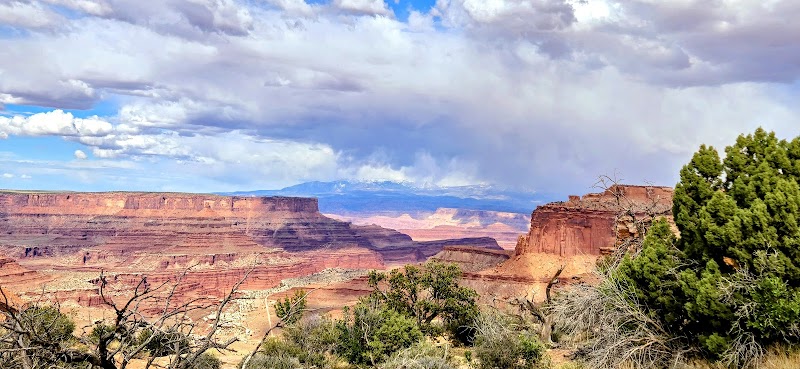
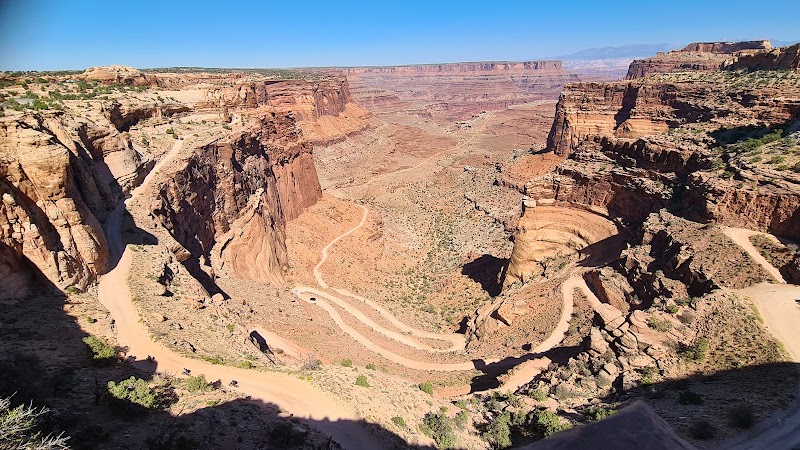
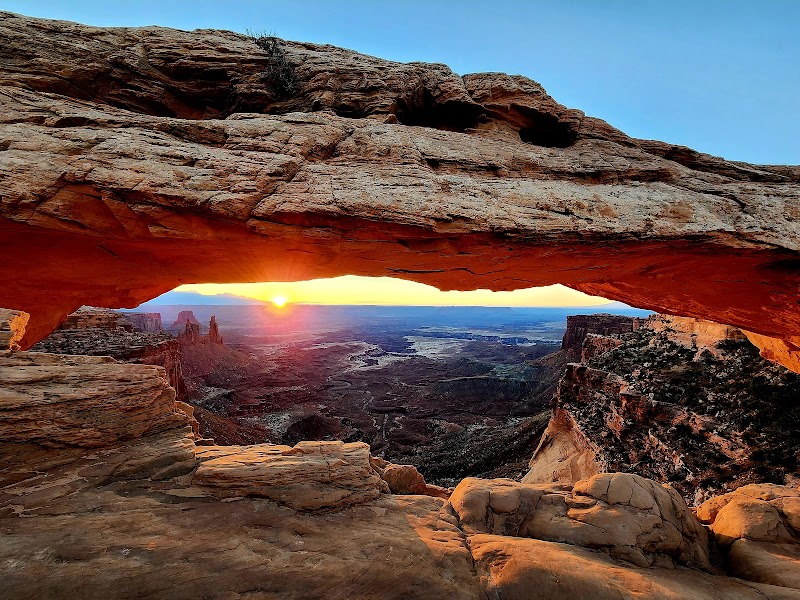
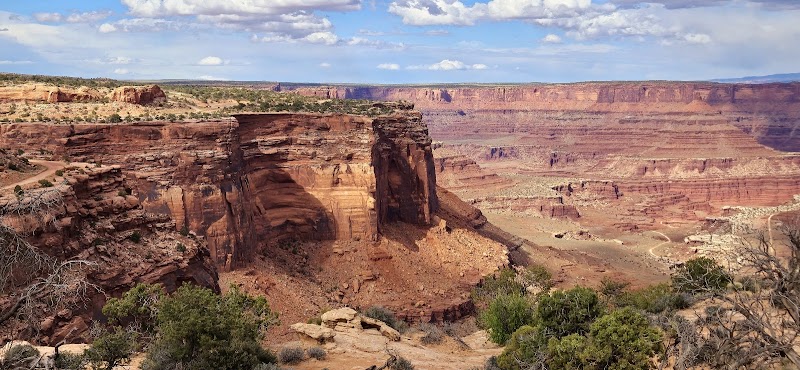
Neck Spring Trail is a standout hiking destination near Utah, USA, known for its dramatic canyon landscapes and striking red rock formations. Situated close to Canyonlands National Park, this trail offers a unique blend of rugged terrain and expansive views characteristic of the Colorado Plateau region. It’s distinguished by its challenging rock scrambles, layered sandstone cliffs, and the panoramic vistas that open up along the path. Unlike heavily trafficked trails, Neck Spring Trail provides a more secluded and raw experience, making it an excellent choice for hikers seeking solitude and untouched nature.
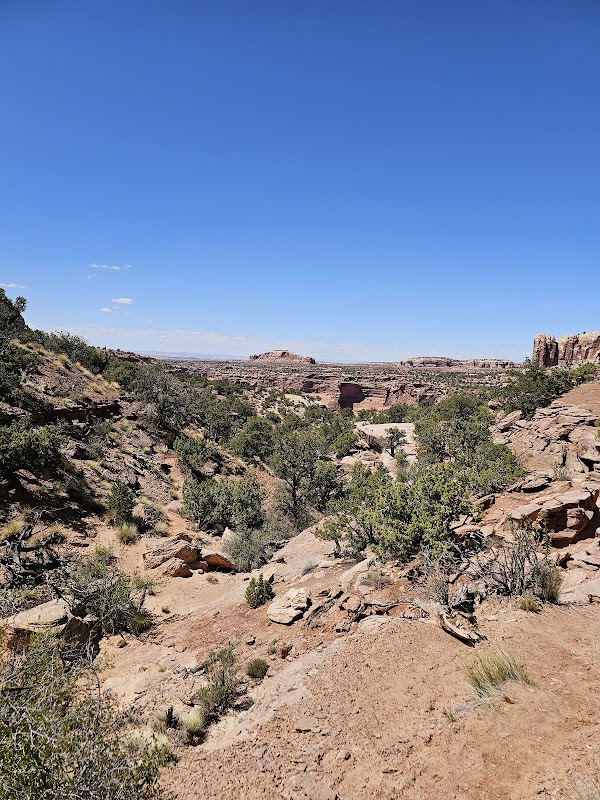
The trail traverses a diverse geological setting, where erosion has sculpted steep walls and intricate ridges in the Navajo Sandstone that date back millions of years. The flora includes desert shrubs and hardy grasses that adapt to the arid climate of southeastern Utah. Although the trail is relatively less marked—mostly by subtle cairns—it showcases a dynamic route that rewards hikers with sweeping views of canyons and plateaus stretching into the horizon.
Historically, this area lies within the cultural landscape long inhabited by Native American peoples, adding a subtle depth of heritage to the natural environment. The ruggedness and remote feeling evoke a strong connection to the land's ancient past. Visitors appreciate the physical challenge alongside the serene beauty, as the trail passes through various terrains from sandy washes to rocky outcrops.
Friendly for experienced hikers ready for a moderate to demanding outing, Neck Spring Trail offers a combination of adventure and scenic appreciation unique to this part of Utah’s desert wilderness.
Adventure Guide
Adventure Guide To Neck Spring Trail
1. Neck Spring Trail Hiking
- What makes it special: This trail leads through rugged sandstone canyons with stunning panoramic views of Canyonlands’ outskirts.
- Key features: Challenging rock scrambles, varied desert terrain, and expansive vistas of layered canyon walls.
- Local insights: The trail is lightly marked; pay close attention to cairns and bring a map or GPS for navigation.
- Visitor tips: Best visited in spring or fall for mild weather; bring sturdy hiking boots, plenty of water, and sun protection.
- Directions: From Moab, Utah, drive south about 30 minutes on UT-211. Look for parking area near the trailhead; the hike begins at the canyon rim.
2. Canyon Rim Viewing Points
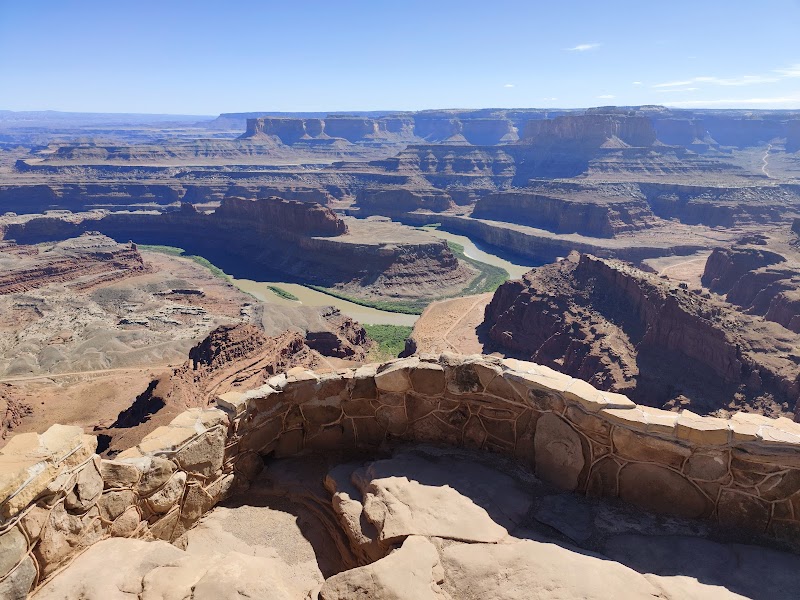
- What makes it special: Several overlooks along the trail provide sweeping views of canyons carved by ancient rivers.
- Key features: Photo opportunities of natural rock formations and the vast desert landscape below.
- Local insights: Sunrise and sunset offer especially dramatic lighting on the rocks.
- Visitor tips: Carry a camera and binoculars; early morning visits avoid midday heat.
3. Wildlife and Native Plant Observation
- What makes it special: The area supports desert-adapted species like lizards, birds, and rare desert plants.
- Key features: Spot piñon pines, sagebrush, and occasional animal sightings.
- Local insights: Respect the environment by staying on trail and not disturbing wildlife.
- Visitor tips: Bring a field guide if interested in desert ecology; watch for snakes during summer months.
Overall advice: Neck Spring Trail is best suited for hikers with some experience. The rugged trail, lack of formal signage, and exposure require good preparation and awareness. Carry plenty of water and inform someone of your itinerary. The solitude and views make the effort worthwhile.
Visitor Tips
- Best Times:Spring and Fall for favorable conditions and optimal lighting.
- What to Bring:Plenty of water, sun protection, a camera, and respectful Leave-No-Trace mindset.