About this landmark
Geothermal Wonders of Norris Geyser Basin
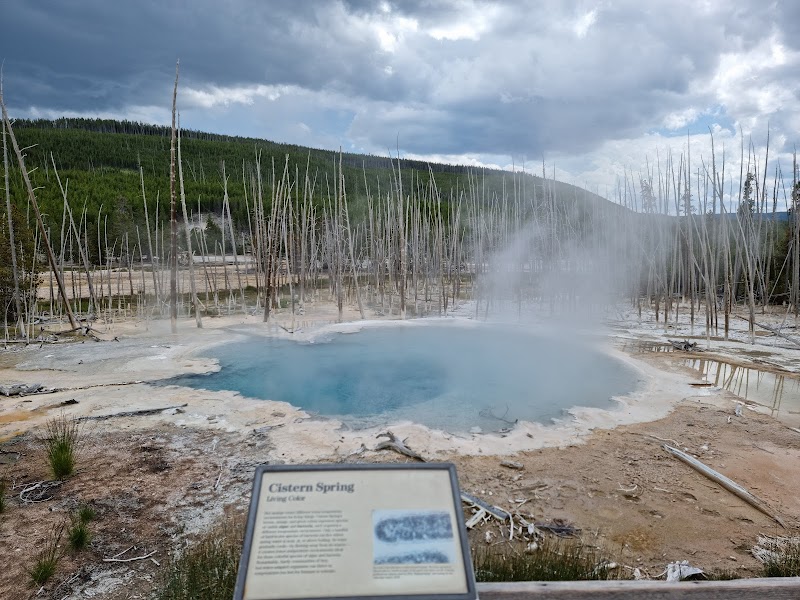
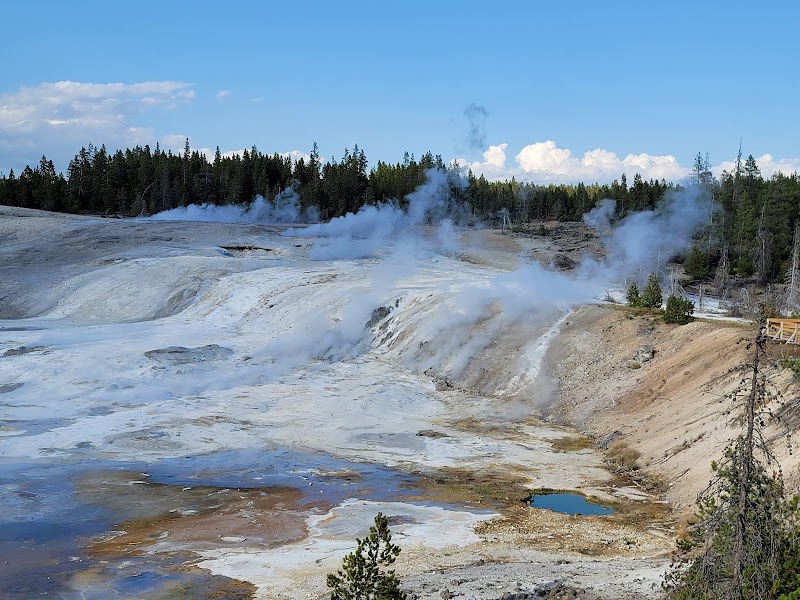
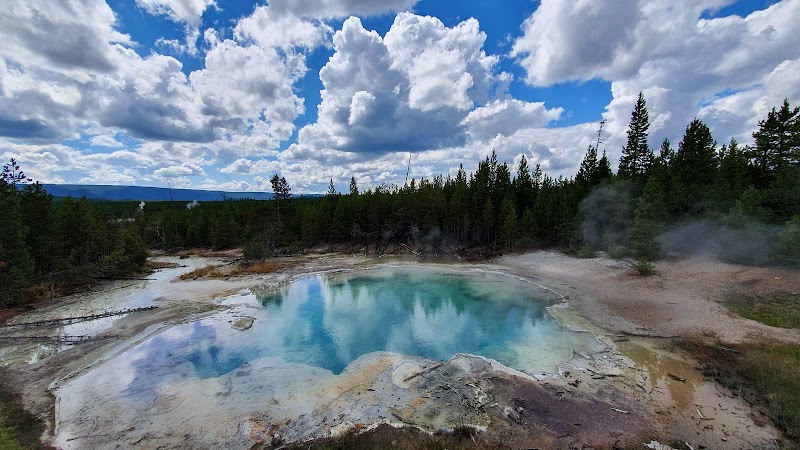
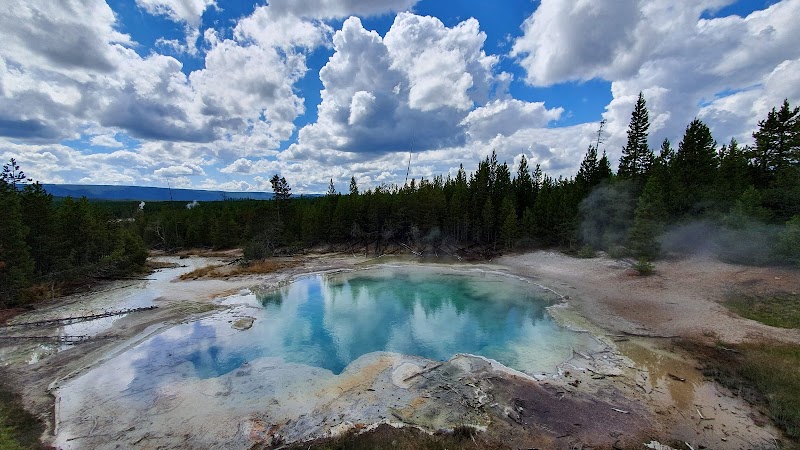
Norris Geyser Basin in Wyoming’s Yellowstone National Park is a captivating display of intense geothermal forces. As the park’s hottest and oldest thermal area, it showcases a dramatic landscape filled with geysers, steaming vents, bubbling mud pots, and vibrantly colored hot springs. This basin stands out for its ever-changing terrain, shaped by acidic waters and high temperatures that create a vivid palette of yellows, greens, and blues across its pools. The highlight here is Steamboat Geyser, the tallest active geyser in the world, capable of erupting over 300 feet into the sky, though such eruptions are infrequent and unpredictable. Beyond Steamboat, the basin features around 32 diverse geothermal features including Emerald Spring, Pearl Geyser, and Blue Mud Steam Vent, each offering visitors a unique visual and sensory experience.
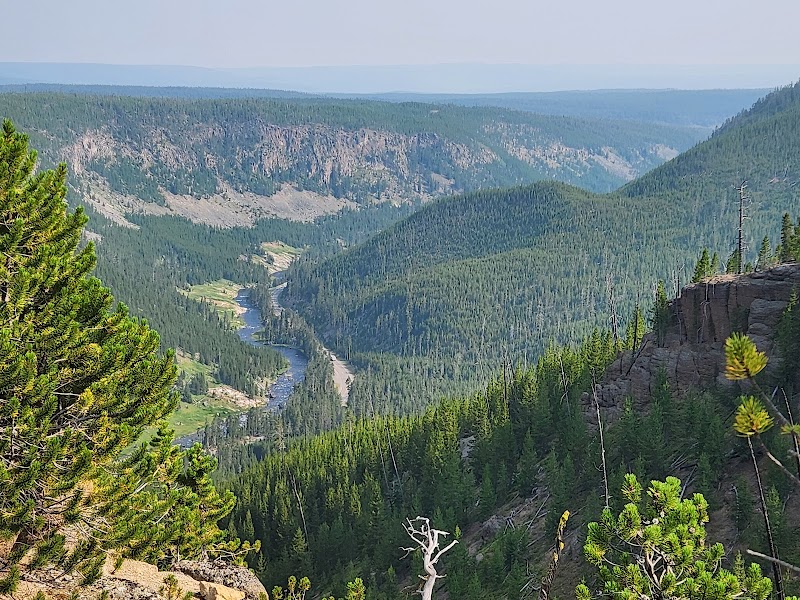
The basin’s landscape is framed by lodgepole pine forests, which contrast with the stark white and colorful mineral deposits left by the geothermal activity. The trails wind across porcelain-like mineral crusts and through hissing fumaroles, providing a window into Yellowstone’s volcanic heart. Norris Geyser Basin was designated as part of Yellowstone when the park was established in 1872, helping protect these natural phenomena for generations. Visitors often remark on the distinct sulfur scent filling the air and the otherworldly atmosphere created by the intense heat and steam. This geothermal hub is a must-see for those curious about volcanic energy and the power shaping Yellowstone’s unique environment.
Adventure Guide to Norris Geyser Basin
1. Back Basin Trail
- What makes it special: A 1.5-mile loop featuring key geothermal sights, including Steamboat Geyser.
- Key features: Numerous geysers, steaming vents, and vibrant mineral pools.
- Local Insights: Steamboat’s eruptions are rare, so spotting an active eruption is a remarkable experience.
- Visitor Tips:
- Best visited early morning or late afternoon to avoid crowds.
- Wear comfortable shoes and carry water.
- Approximately a 40-minute drive from West Yellowstone, Montana.
2. Porcelain Basin Trail
- What makes it special: A 0.75-mile boardwalk trail spotlighting some of the basin’s most colorful hot springs.
- Key features: Bright blue, green, and yellow pools with strong geothermal activity.
- Local Insights: The colors shift with temperature and mineral content, making every visit unique.
- Visitor Tips:
- Visit in late spring for the most vivid colors.
- Bring sunscreen and a hat.
- Easy access from Norris Campground parking.
3. Ledge Geyser Viewing
- What makes it special: Known for powerful, tall eruptions reaching 125 feet.
- Key features: Explosive geyser activity amid quieter springs.
- Local Insights: Eruptions are sporadic; patience rewards visitors.
- Visitor Tips:
- Bring binoculars for a closer look.
- Plan for some waiting time.
- Short hike from Norris Geyser Basin parking.
Visitor Essentials and Tips
- Best times to visit: Spring through early fall offers ideal weather and colorful displays.
- What to bring: Comfortable walking shoes, sun protection, camera, and water.
- Safety reminder: Always stay on designated boardwalks to protect both visitors and fragile geothermal features.
- Getting there: Norris Geyser Basin is about a 40-minute drive from West Yellowstone. Follow park signs along Grand Loop Road. Parking is available near trailheads.
This geothermal hotspot offers a remarkable connection to Yellowstone’s volcanic energy, perfect for travelers seeking vivid natural phenomena combined with accessible trails and stunning scenery.
Visitor Tips
- Best Times:Late Spring for favorable conditions and optimal lighting.
- What to Bring:Plenty of water, sun protection, a camera, and respectful Leave-No-Trace mindset.