About this landmark
Postcard Overview: Mount Conness, California
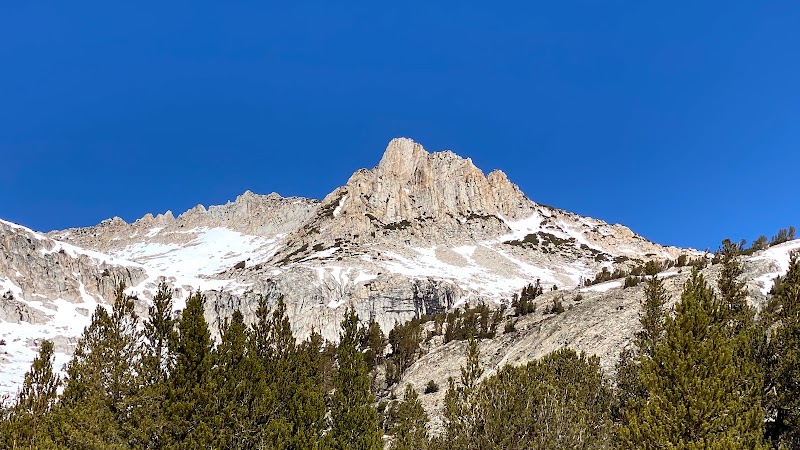
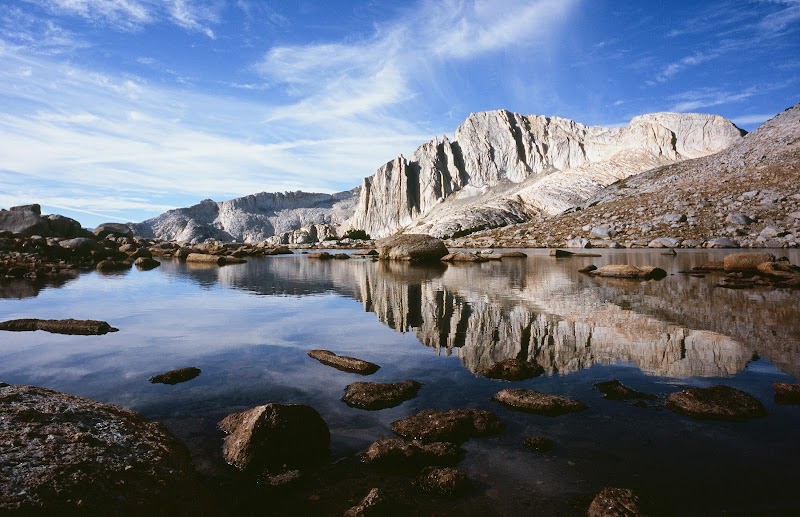
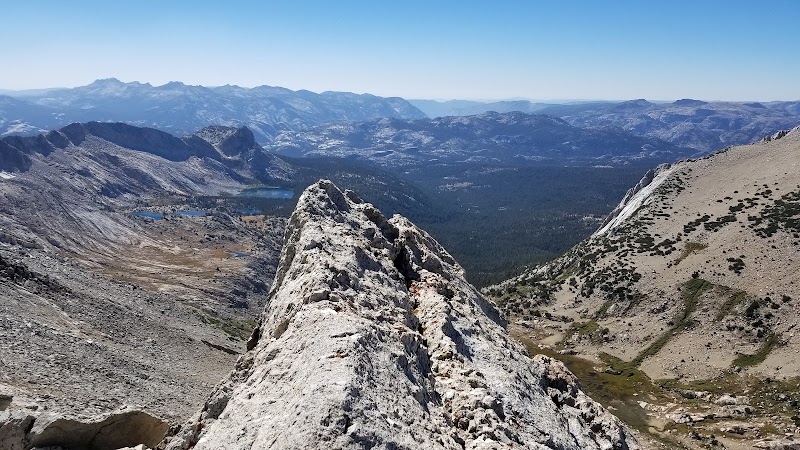
Mount Conness rises prominently within California’s Sierra Nevada near the bustling town of Lee Vining. This distinctive peak stands out for its dramatic granite faces and expansive alpine meadows, offering visitors a remarkable contrast to the neighboring Yosemite and Mono Lake areas. At over 12,500 feet, Conness commands sweeping views across rugged ridges, clear mountain lakes, and distant volcanic terrain, making it a unique highlight of the Eastern Sierra landscape.
The peak’s defining features include sharp granite cliffs, deep glacial cirques, and one of the few remaining rock glaciers in the region. These rock glaciers are slow-moving masses composed of angular granite debris cemented by ice, providing a rare geological sight. The alpine environment supports specialized flora such as whitebark pine and vibrant wildflowers that peak in summer months. Wildlife sightings may include marmots, pikas, and occasionally bighorn sheep navigating the steep slopes.
Mount Conness has a rich history connected to early mountaineering and indigenous Paiute communities, who valued these mountains for seasonal hunting and cultural significance. The area later became an attraction for hikers and climbers seeking a less crowded alternative to Yosemite’s more famous peaks.
This mountain offers a distinctive blend of geological marvels, high-altitude ecosystems, and panoramic vistas, all within a few miles of the scenic Tioga Pass corridor. Outdoor enthusiasts and nature lovers find Mount Conness a compelling destination not only for its physical grandeur but also for its peaceful wilderness setting, making each visit a memorable California adventure.
Adventure Guide To Mount Conness
1. Hiking the Mount Conness Trail
- What Makes It Special: This strenuous trail leads to the summit ridge, providing expansive views of Tuolumne Meadows, Mono Lake, and the Ritter Range.
- Key Features: Hikers cross alpine meadows, granite slabs, and the dramatic Conness Glacier on the ascent.
- Visitor Tips: Start early to avoid afternoon thunderstorms common in summer. Bring layered clothing and plenty of water. Trailhead access is from the Saddlebag Lake area, about 1.5 hours east of Lee Vining.
2. Rock Climbing on Conness’s Granite Walls
- What Makes It Special: Conness’s granite offers routes suited for intermediate to expert climbers, with challenging crack systems and slab climbs.
- Key Features: Numerous multi-pitch routes with reliable anchors and spectacular summit views.
- Local Insight: Many climbs follow routes first put up in the 1930-40s, preserving mountaineering history.
- Visitor Tips: Climbing gear and experience are essential. Check weather forecasts carefully; conditions can change rapidly.
3. Wildlife Photography and Nature Watching
- What Makes It Special: The alpine zone around Mount Conness is home to unique species adapted to high elevations.
- Key Features: Look for marmots, pikas, and high-elevation wildflowers in bloom mid-July through August.
- Local Insight: Early morning provides the best light and animal activity.
- Visitor Tips: Carry a telephoto lens and binoculars. Respect wildlife and maintain distance to avoid disturbance.
Getting There
- From Lee Vining, take Tioga Road (Highway 120) east toward Tioga Pass.
- Park at Saddlebag Lake Trailhead, roughly 15 miles from Lee Vining (about a 25-minute drive).
- Best visiting months are July through September when the pass is open and snow-free.
Mount Conness offers a mix of physical challenge and natural beauty, making it a rewarding destination for outdoor enthusiasts eager to experience one of California’s remarkable alpine peaks.
Visitor Tips
- Best Times:Summer for favorable conditions and optimal lighting.
- What to Bring:Plenty of water, sun protection, a camera, and respectful Leave-No-Trace mindset.