About this landmark
Stunning Pyramid Lake in Nevada’s High Desert
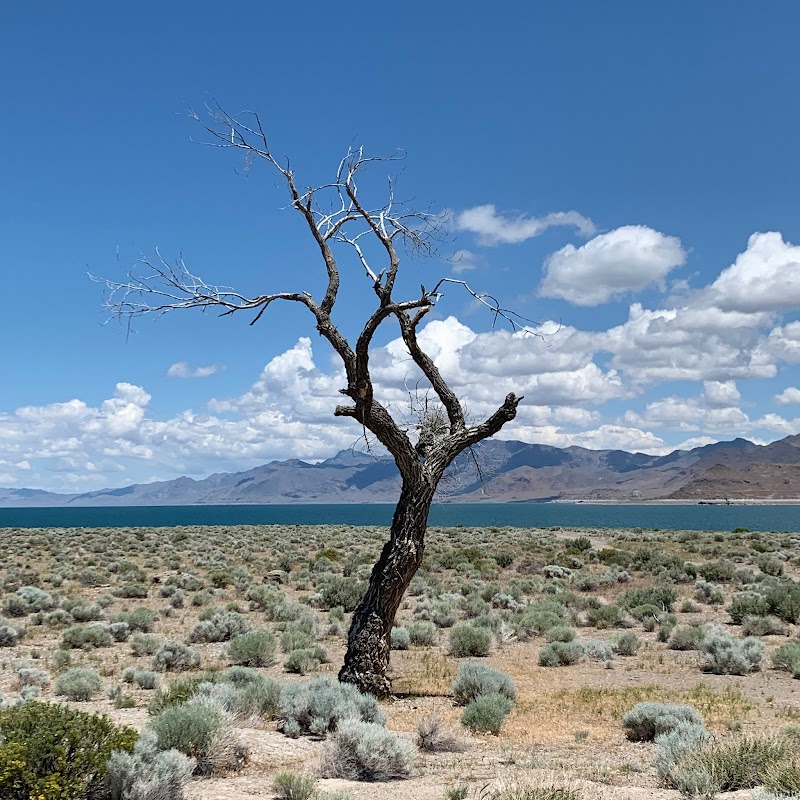
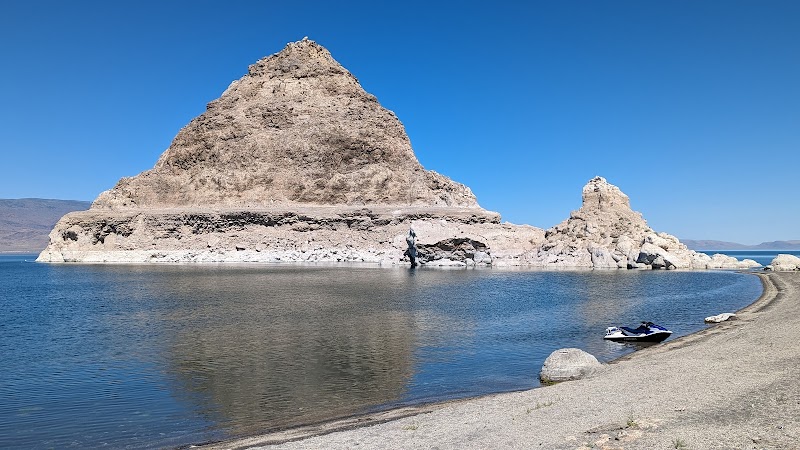
Pyramid Lake, located in northern Nevada near Reno, is a striking natural landmark known for its vast, deep-blue waters set against arid desert mountains. This lake draws visitors with its unique geological formations—especially the towering pyramid-shaped tufa rock rising dramatically from the water. As the largest natural lake entirely within Nevada, it offers a refreshing contrast to the surrounding desert landscape. The lake sits on the Pyramid Lake Paiute Tribe Reservation, representing centuries of cultural heritage and traditional connection to the land.
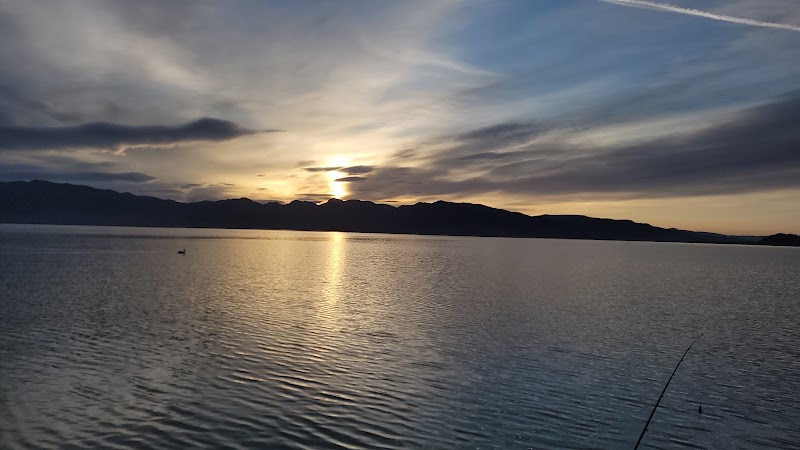
The lake’s calm waters are home to the rare Lahontan cutthroat trout, Nevada’s state fish, which attracts anglers from across the region seeking a rewarding fishing experience. The shoreline presents opportunities for primitive camping, quiet family gatherings, and scenic hiking, with sweeping views capturing the stark beauty of both water and desert. Visitors often praise the peaceful atmosphere and sense of solitude, as many find themselves alone along the expansive shore.
While the lake’s wind conditions can change quickly, adding challenge and excitement for boating and watersports enthusiasts, it remains accessible for swimmers and kayakers who appreciate clear waters and unique rock formations. The vastness of Pyramid Lake allows for long stretches without crowds, making it a perfect destination for those wanting to recharge away from busier recreation areas. Remember, permits are required for camping, boating, and beach access to help protect this special environment and honor tribal regulations.
Pyramid Lake’s combination of cultural significance, geological marvels, and outdoor opportunities firmly establishes it as one of Nevada’s most captivating natural sites.
Adventure Guide to Pyramid Lake
1. Lahontan Cutthroat Trout Fishing
- Why It’s Special: Pyramid Lake is famed for its native Lahontan cutthroat trout, prized by anglers for its size and fight.
- Features: Four boat ramps, fishing gear rental shops nearby, and ample shore fishing spots.
- Local Insight: The tribe manages fishing permits, limiting daily catches to conserve the fish population.
- Visitor Tips: Peak fishing is in spring and fall. Bring your fishing license and early arrival helps secure ramps.
2. Kayaking and Paddleboarding
- Why It’s Special: Glide past striking tufa towers and soak in quiet coves with crystal-clear water.
- Features: Rental services available; calm mornings provide best conditions.
- Local Insight: Water levels and wind vary; check weather updates to avoid afternoon gusts.
- Visitor Tips: Wear sunscreen, carry water, and bring waterproof bags for personal items.
3. Scenic Hiking on Lake Perimeter Trails
- Why It’s Special: Trails offer panoramic lake views, desert flora, and quiet picnic spots along the shore.
- Features: Marked paths of varied difficulty, ideal for sunrise or sunset hikes.
- Local Insight: Trails highlight native plants and wildlife—watch for deer and small desert critters.
- Visitor Tips: Carry water, use sturdy shoes, and plan hikes during cooler morning or evening hours.
Visitor Essentials
- Best Visiting Seasons: Spring (April-June) and fall (September-October) for mild weather.
- What to Bring: Sunscreen, hat, layered clothing, plenty of drinking water, permits for camping or fishing, and sturdy footwear.
- Getting There: From Reno, take NV-445 north for about 40 miles (roughly 50 minutes). Note: the road turns to dirt approximately 12 miles in; a high-clearance vehicle is recommended for rough sections.
Visitor Tips
- Best Times:Spring and Fall for favorable conditions and optimal lighting.
- What to Bring:Plenty of water, sun protection, a camera, and respectful Leave-No-Trace mindset.