About this landmark
Discover the Beauty of Hawksbill Crag
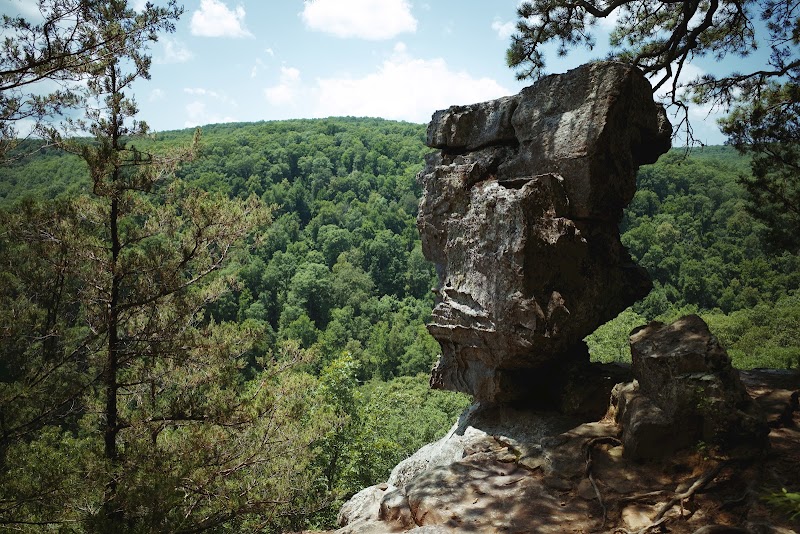
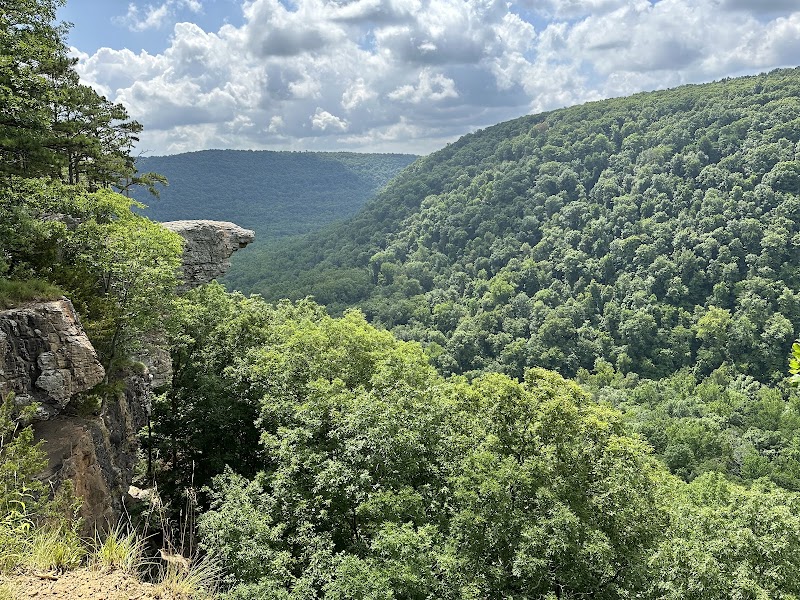
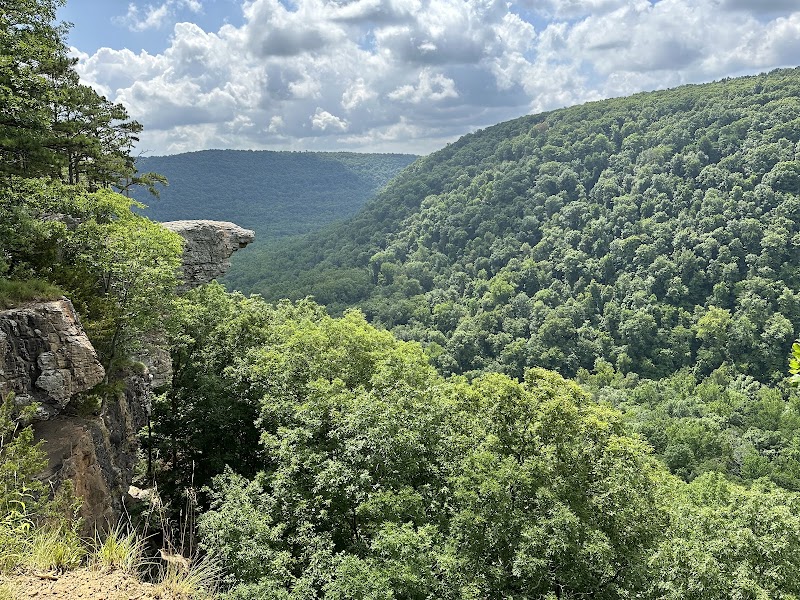
Hawksbill Crag, also known as Whitaker Point, in Kingston, Arkansas, is a stunning natural wonder renowned for its jaw-dropping views. This impressive rock formation juts out like a hawk's beak over the lush Ozark National Forest, making it a perfect spot for photographers and nature enthusiasts. The crag is a testament to the geological beauty found in the Ozarks, with its rugged cliffs and sweeping vistas that captivate visitors year-round.
The area is rich with biodiversity, housing an array of flora and fauna unique to the region. Visitors might spot blooming wildflowers in the spring or ruby-throated hummingbirds flitting about in the summer. A legend in the area tells of the early settlers who used this point as a lookout. Today, it’s a place where adventurers can soak in the serenity of the vast, green wilderness.
Get ready to be amazed by this iconic Arkansas landmark—perfect for a memorable photo and a peaceful escape into nature.
Adventure Guide to Hawksbill Crag/Whitaker Point
Hiking to Hawksbill Crag
- Trail Information: The hike to Hawksbill Crag is approximately 3 miles round trip and is moderately challenging.
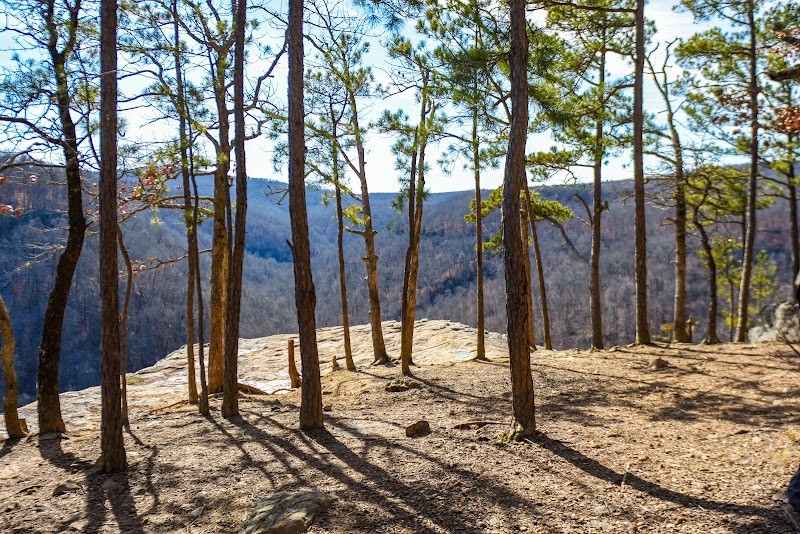
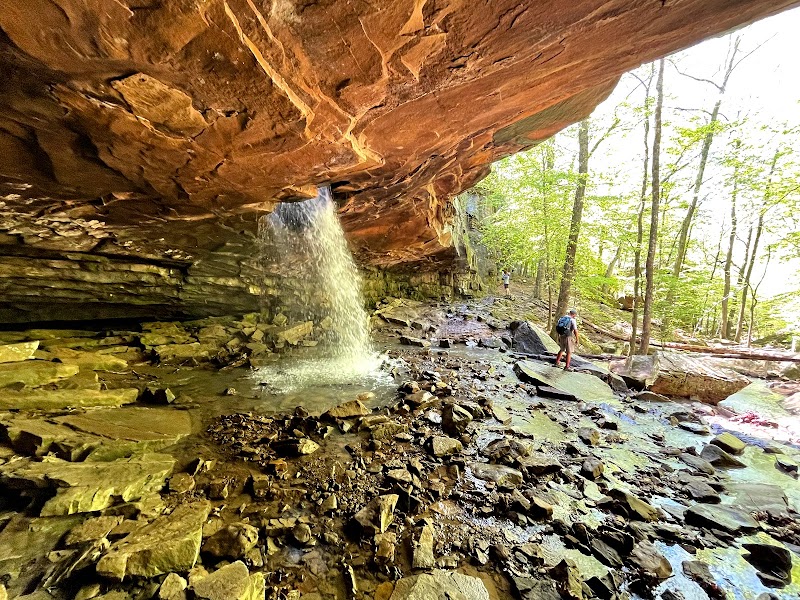
- Highlights: The trail meanders through a captivating hardwood forest, offering picturesque views and a chance to see local wildlife.
- Tips: Best visited in spring and fall; bring water and wear sturdy shoes. The trailhead is a 45-minute drive from Ponca, Arkansas.
Photography
- Photographic Opportunities: Known for its breathtaking panoramic views, photographers flock here to capture the dramatic vista from the crag, especially at sunrise or sunset.
- Unique Feature: The crag itself is one of the most photographed spots in Arkansas.
- Tips: Arrive early for the best lighting and fewer crowds.
Wildlife Observation
- Wildlife Spotting: Keep an eye out for deer, black bears, and a variety of bird species, especially if you visit early in the morning.
- Local Insight: The biodiversity in the Ozarks is vibrant thanks to the varying elevations and climates.
- Tips: Bring binoculars and a field guide to enhance your wildlife-spotting experience.
Visitor Tips
- Best Times:Spring and Fall for favorable conditions and optimal lighting.
- What to Bring:Plenty of water, sun protection, a camera, and respectful Leave-No-Trace mindset.