About this landmark
Discover Monongahela's Majesty
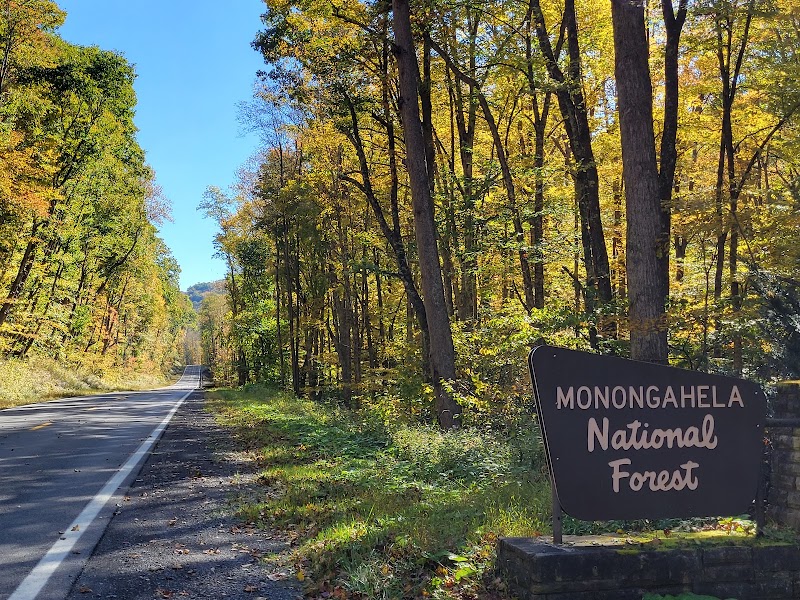
Monongahela National Forest, located in the heart of West Virginia, USA, offers breathtaking natural beauty and diverse ecosystems. Known for its expansive wilderness, this forest covers nearly a million acres and plays a vital role in preserving the region's biodiversity. Established in 1920, it's a haven for outdoor enthusiasts seeking tranquility and adventure.
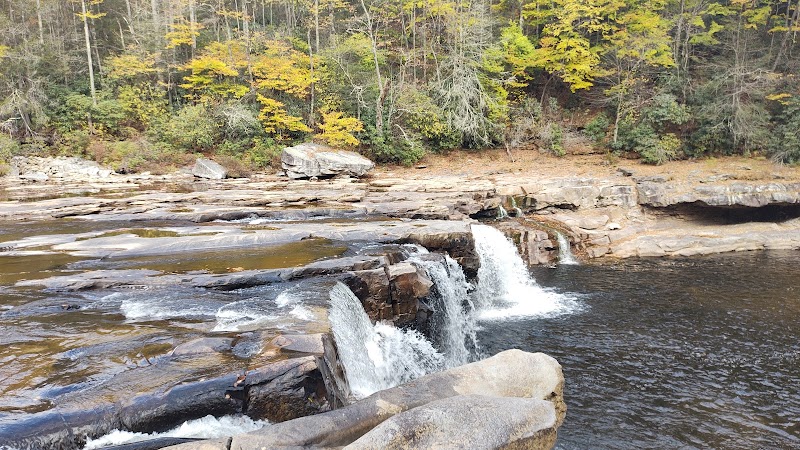
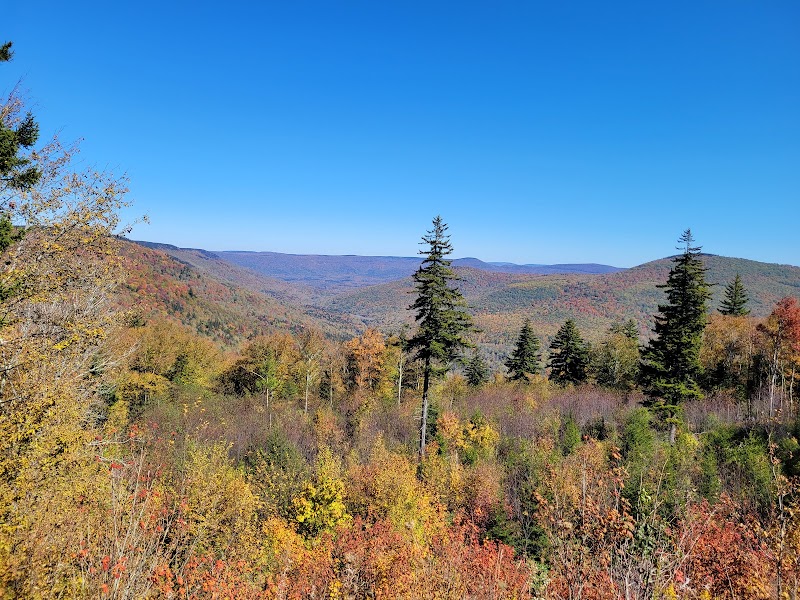
The forest's landscape features rolling hills, dense woodlands, and open meadows, providing a picturesque setting for visitors. Unique flora and fauna thrive here, with colorful autumn foliage and rare plants like the Cheat Mountain salamander drawing nature lovers year-round. The Cranberry Glades Botanical Area is a botanical wonder, showcasing unique plants typically found in Canadian bogs.
Experience the serenity of this wilderness and connect with nature at Monongahela National Forest.
Adventure Guide to Monongahela National Forest
1. Spruce Knob
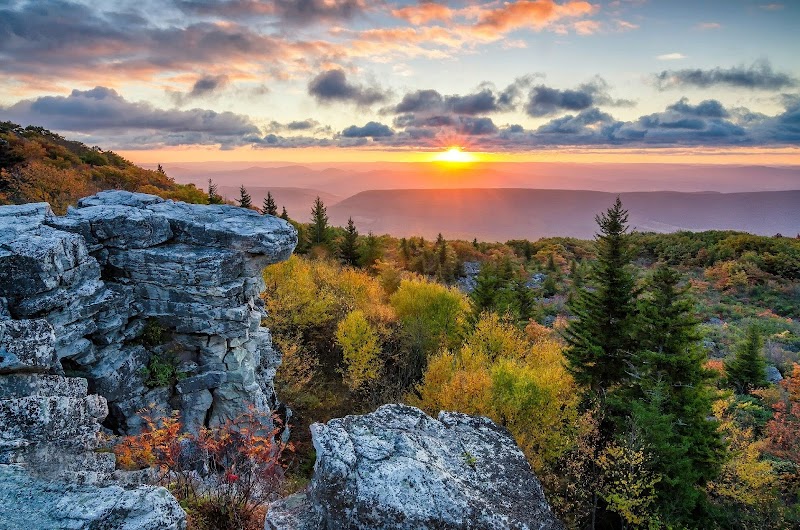
- What Makes It Special: At 4,863 feet, Spruce Knob is the highest peak in West Virginia, offering panoramic views of the entire region.
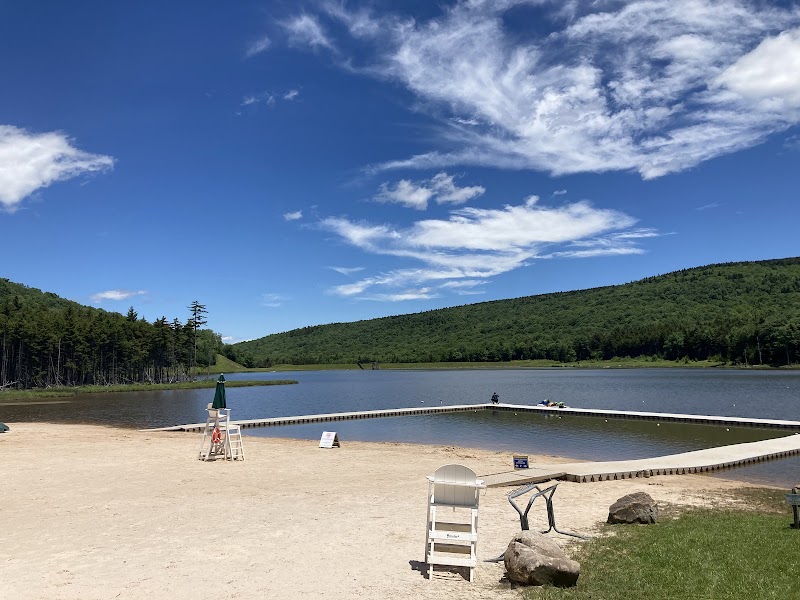
- Key Features: Trails for hiking and horseback riding, a lake for fishing, and a scenic overlook.
- Local Insights: Visit during the fall for stunning foliage.
- Visitor Tips:
- Best Time to Visit: Late spring through fall.
- What to Bring: Hiking boots, binoculars, and a camera.
- Directions: Approximately 2 hours from Elkins, WV.
2. Seneca Rocks
- What Makes It Special: A notable rock formation perfect for rock climbing and hiking.
- Key Features: Climbing routes and a visitor center with historical exhibits.
- Local Insights: Used as a training site in WWII for army soldiers.
- Visitor Tips:
- Best Time to Visit: Early summer.
- What to Bring: Climbing gear, water, and sunscreen.
- Directions: 1.5 hours from Harrisonburg, VA.
3. Cranberry Wilderness
- What Makes It Special: Over 47,000 acres of untouched wilderness, perfect for backcountry camping and exploring.
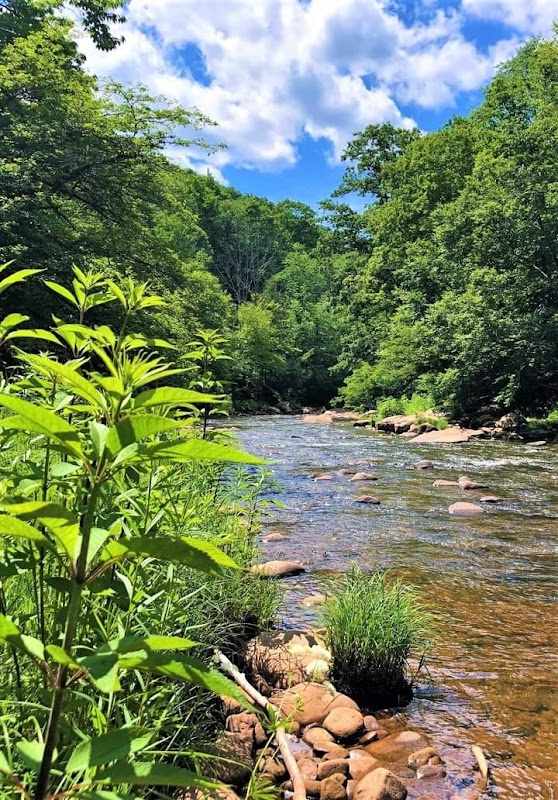
- Key Features: Pristine streams and trails suitable for all skill levels.
- Local Insights: Known for its tranquil atmosphere and biodiversity.
- Visitor Tips:
- Best Time to Visit: Spring and early summer.
- What to Bring: Camping gear, water filter, and bug spray.
- Directions: 1.5 hours from Charleston, WV.
Visitor Tips
- Best Times:Spring and Fall for favorable conditions and optimal lighting.
- What to Bring:Plenty of water, sun protection, a camera, and respectful Leave-No-Trace mindset.