About this landmark
Scenic Summit & Natural Wonder: Black Elk Peak
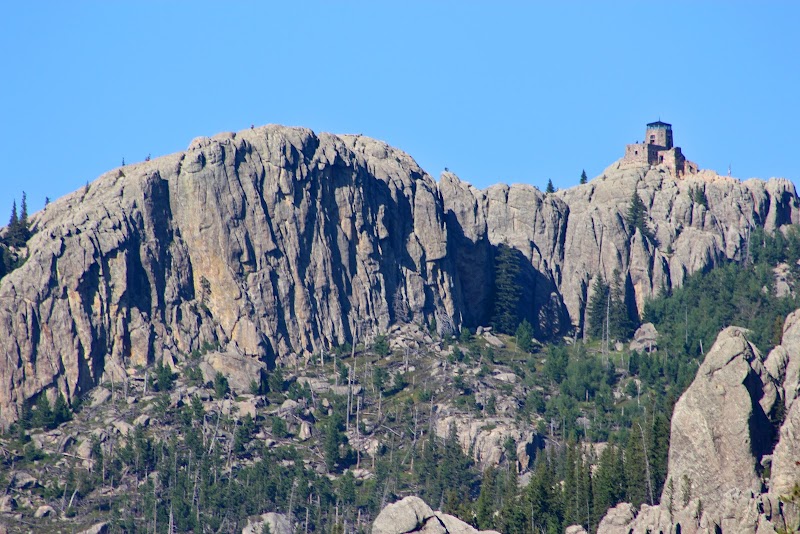
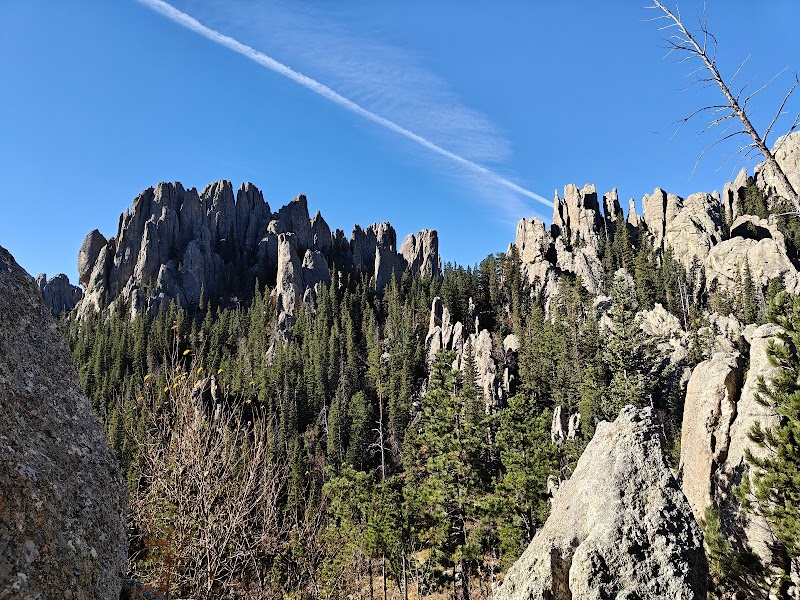
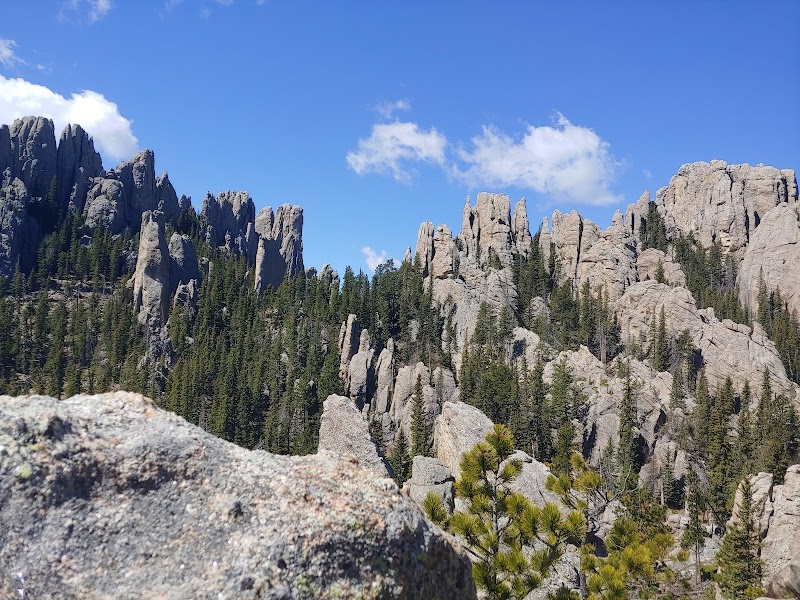
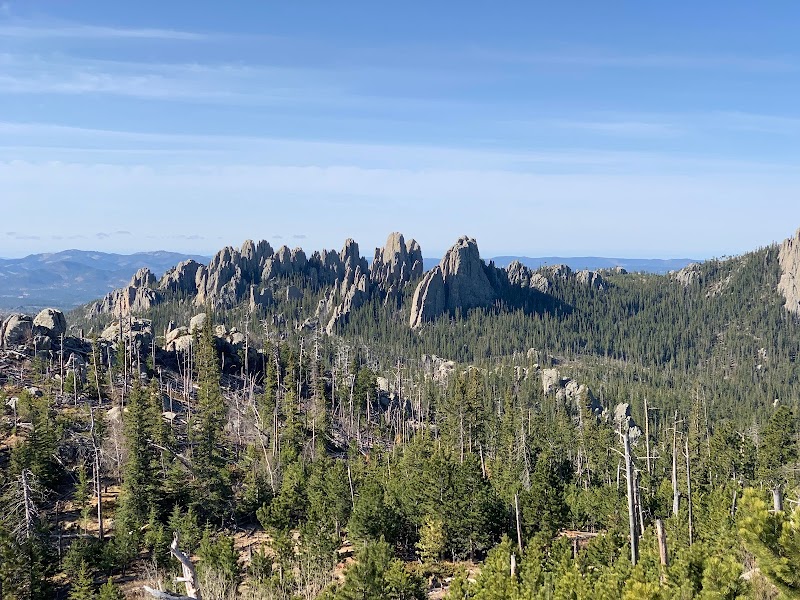
Black Elk Peak, located near Mt. Rushmore in the Black Hills of South Dakota, is recognized as the highest point east of the Rocky Mountains. This striking granite summit commands sweeping views of dense pine forests, rugged rock formations, and distant rolling hills. It stands out as a remarkable destination for visitors drawn to dramatic landscapes combined with rich cultural history.
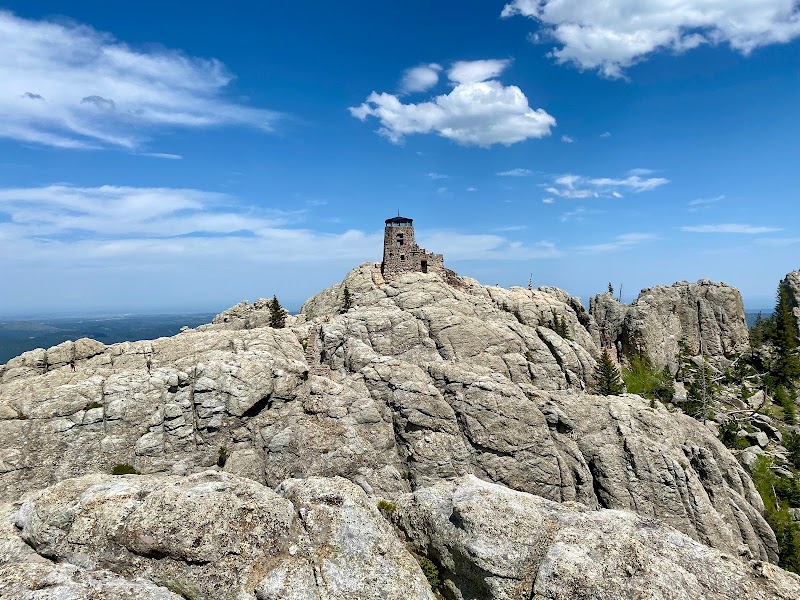
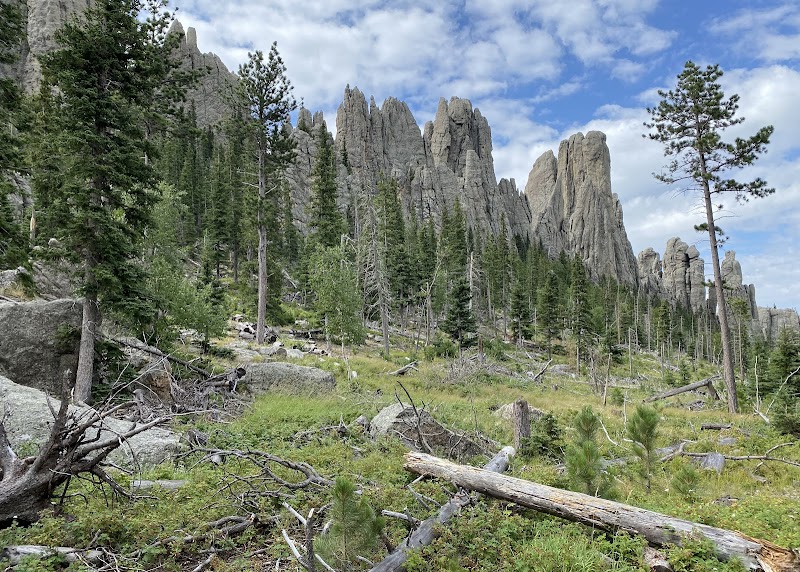
The peak features towering granite spires that have formed through millions of years of geological activity, creating one of the most recognizable landmarks in the region. Trails winding through pine forests and wildflower meadows lead to the summit, where a historic fire lookout tower offers a rare opportunity to step into a piece of the past while taking in panoramic vistas. The area is home to wildlife such as deer, wild turkeys, and numerous bird species, adding life to the scenic environment.
Historically, Black Elk Peak held spiritual significance for local Indigenous peoples. Formerly called Harney Peak, it was renamed to honor Black Elk, a respected Lakota holy man who lived nearby. This connection enriches the visit, providing insight into Native American heritage alongside natural wonders.
Visitors often praise this peak for its breathtaking views visible from nearly every angle, making it a rewarding climb. The hike itself offers varying terrain, from well-maintained switchbacks to rocky ascents, appealing to moderate-level hikers. While the summit provides stunning sights of the Black Hills and even glimpses of Mt. Rushmore’s backside, the journey there unfolds a comprehensive experience of rugged natural beauty and cultural respect that defines this special spot.
Adventure Guide To Black Elk Peak
Hiking to Black Elk Peak
- Trail: Harney Peak Trail No. 9
- What makes it special: Well-maintained and popular, this 7-mile round trip hike leads through pine forests and rocky terrain to the highest summit in South Dakota. The final quarter mile is the most challenging, featuring steep rock scrambling.
- Local insights: Early morning visits avoid crowds, offering peaceful surroundings and ideal photography conditions.
- Visitor tips: Visit between late spring and early fall. Pack layers, plenty of water, snacks, and sturdy footwear. Parking is at Sylvan Lake, about 30 minutes from Rapid City.
Wildlife and Wildflower Viewing
- Location: Throughout the Black Hills National Forest near the peak
- What makes it special: During bloom seasons, a variety of native wildflowers brighten forest edges and meadows. Deer and birds are frequently spotted, adding to nature lovers’ enjoyment.
- Local insights: Bringing a field guide enhances the experience. Early mornings provide the best chances for sightings.
- Visitor tips: Use insect repellent and sunscreen; carry binoculars for birdwatching.
Cultural Exploration
- Nearby site: Crazy Horse Memorial
- What makes it special: This nearby site provides meaningful context about Lakota history and culture, complementing the importance of Black Elk Peak.
- Local insights: Respect cultural sites and follow posted guidelines to honor Indigenous heritage.
- Visitor tips: Combine your peak visit with a stop here to deepen understanding of the region’s history.
Travel Notes:
- Best visiting months: May to September
- Driving directions: From Rapid City, take SD-40 W toward Crazy Horse Memorial, then follow signs to Sylvan Lake parking area. Expect a 30-minute drive.
- Essentials: Water, layered clothing, hiking boots, snacks, and sun protection.
Black Elk Peak offers a blend of natural grandeur, invigorating hikes, and cultural richness that leaves visitors with lasting memories.
Visitor Tips
- Best Times:Spring and Fall for favorable conditions and optimal lighting.
- What to Bring:Plenty of water, sun protection, a camera, and respectful Leave-No-Trace mindset.