
Essential Gear Selection for Smallmouth Bass on Idaho’s Snake River
The Snake River in Idaho offers anglers a thrilling smallmouth bass experience defined by its roaring currents and rocky banks. This guide equips you with practical knowledge on the best gear to tackle the river's challenging conditions and maximize your chances for a memorable catch.
Use Durable Wading Footwear
Rocky and uneven riverbeds demand solid wading boots with good traction to avoid slips and protect your feet from sharp stones.
Pack Sufficient Hydration
Given the summer heat and exertion in Idaho’s climate, bring at least 2 liters of water to stay hydrated during your fishing session.
Choose Mid-Weight Gear
Opt for rods and reels that balance power and sensitivity—medium action rods with smooth drag reels offer control without fatigue.
Fish During Low Light Hours
Target early mornings or late afternoons when smallmouth bass become more active and willingness to strike increases.
Essential Gear Selection for Smallmouth Bass on Idaho’s Snake River

American Falls Bass Fishing
6 or 8 hours options • up to 6 people
Discover an exclusive bass fishing adventure in Deary, Idaho, with personalized guiding from Jones Sport Fishing. Perfect for fishing enthusiasts seeking a peaceful retreat, this trip offers prime waters and expert insights. Keep reading to learn what makes this trip special!
The Snake River in Idaho challenges anglers with its powerful currents and rocky banks, daring you to engage with its ever-shifting personality. This stretch is known for robust smallmouth bass that lurk where the river carves through granite and gravel, ready for a battle that demands both stealth and skill. Choosing the right gear makes the difference between an unforgettable catch and a day overwhelmed by the river’s relentless pulse.
Start with your rod: a medium-action casting or spinning rod between 6’6" and 7’6" balances power with finesse. The river's swift runs and deep pools call for equipment that can handle heavy currents without sacrificing sensitivity. Pair this with a reel equipped with a smooth drag system—something that won’t hesitate when a smallmouth bursts into a fierce sprint downstream.
Line selection is critical. Opt for braided line (20–30 lb test) to handle abrasion from submerged rocks yet maintain thin diameter for casting. Fluorocarbon leaders of 8–10 lb test provide a near-invisible connection that won't spook wary bass.
Lures and bait selections thrive on mimicry here. Crankbaits, tube jigs, and spinnerbaits in colors that reflect the river’s earthy tones entice strikes near rocky structures or around submerged logs where bass hold. Soft plastics rigged weightless or with a light tungsten head let you navigate slower eddies and shaded pools, where smallmouth wait patiently behind boulders or submerged timber.
Hooks should be sharp and durable, size 2 to 4, to ensure a good hookset but avoid overly large gear that hinders natural lure movement. A forceps or hook remover speeds up catch-and-release, vital to preserving this fiercely self-sufficient population.
Don’t underestimate the importance of waders or sturdy waterways shoes. The Snake River's bottom varies from smooth gravel to jagged slabs, and footing can shift without warning. Breathable waders help you stay dry and mobile as you target eddies and seams favored by smallmouth.
Timing the outing matters too. Early morning and late afternoon present cooler temperatures and calmer winds, increasing your chance for active bass. Midday sun pushes fish deeper, demanding heavier tackle or focusing on shaded runs.
Fishing the Snake River is an engagement with a force that's not tamed but invited to dance. Equip yourself with the right tools, respect the river's flow, and you’ll experience a rewarding challenge where every cast feels like a conversation with a wild and wary opponent.
Nearby Trips
All Adventures
Boat Charters
Water Activities
Adventures near Twin Falls
Discover the unique and memorable adventures that make Twin Falls special.
Frequently Asked Questions
What time of day is best for fishing smallmouth bass on the Snake River?
Early morning and late afternoon are prime times as temperatures cool and smallmouth bass become more active, increasing your chances of a strike.
Are there any local regulations I should be aware of?
Yes, Idaho enforces catch-and-release guidelines for certain areas and specific seasons. Check with Idaho Fish and Game for the most current rules to avoid fines and protect the fishery.
What types of bait work best for smallmouth bass here?
Live bait like crayfish and minnows work well, but lures such as crankbaits, tube jigs, and spinnerbaits mimicking local forage often produce better results, especially around rocky habitats.
How do water levels affect fishing on the Snake River?
High water from spring runoff makes the river faster and murkier, pushing bass into deeper pools. Low water in summer concentrates bass but makes some areas hard to access.
Can I access the riverbanks easily for fishing?
Many parts have public access points, but some stretches involve rough terrain or private property. Wearing sturdy footwear and verifying access locations ahead of time will help.
What safety considerations are important when fishing here?
Be mindful of swift currents, slippery rocks, and sudden weather shifts. Always wear a life vest when wading and avoid fishing alone in remote sections.
Recommended Gear
Medium-Action Casting or Spinning Rod
Offers a perfect balance of strength and sensitivity to handle fast currents and strong fish.
Braided Fishing Line (20–30 lb test)
Braided line provides abrasion resistance against sharp river rocks and tough underwater structures.
Breathable Waders
Keeps you dry and comfortable while wading through cold or rough patches of the river.
Polarized Sunglasses
Helps reduce glare on the water’s surface, making it easier to spot fish and underwater structures.
Local Insights
Hidden Gems
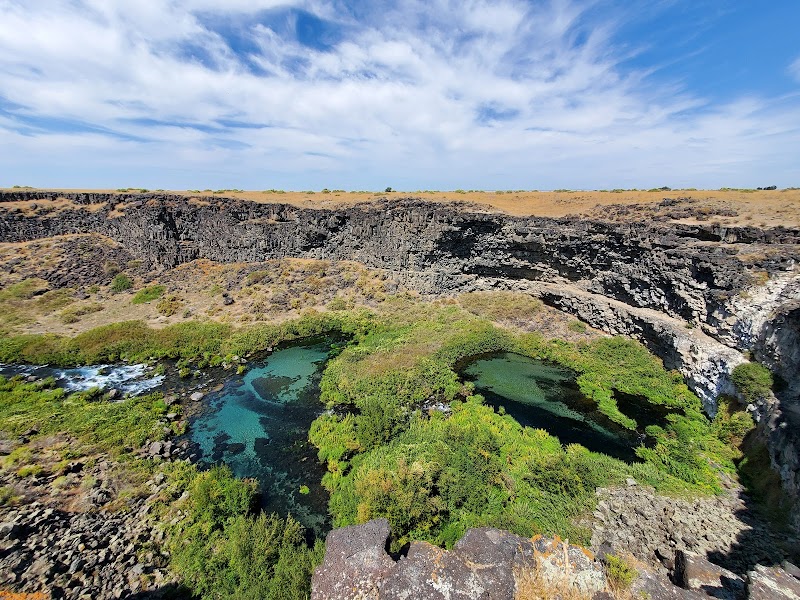
- "Perrine Bridge Overlook – a vantage point offering sweeping views of the Snake River's canyon and occasional eagle sightings."
- "Blue Lakes Creek Tributary – a quieter fishing spot with less pressure and steady bass populations."
Wildlife
- "Bald eagles and osprey often hunt along the river, offering fantastic wildlife viewing while fishing."
- "River otters play near calm pools, their presence signaling healthy aquatic systems."
History
"The Snake River corridor was historically a vital route for Native American tribes and early explorers, weaving cultural significance into its natural character."