Essential Gear for High-Altitude Rides on Imogene Pass, Colorado
Imogene Pass offers one of Colorado's most exhilarating high-altitude rides. This guide breaks down the essential gear and practical tips to tackle its rugged terrain and ever-changing mountain conditions with confidence.
Hydrate Continuously
Altitude accelerates dehydration—carry at least 3 liters of water and supplement with electrolytes to sustain energy and focus during the ride.
Wear Layered Clothing
Prepare for rapid temperature shifts with moisture-wicking base layers, an insulating midlayer, and a windproof outer shell.
Start Early to Avoid Storms
Plan to begin before sunrise to benefit from calmer weather and avoid afternoon thunderstorms common in the mountains.
Pack Repair Gear
Bring a basic bike repair kit and first aid supplies. Rough terrain can cause mechanical issues far from help.
Essential Gear for High-Altitude Rides on Imogene Pass, Colorado

Imogene Pass
Excitement Rating 4 • EPIC ADVENTURE!
Discover the rugged beauty of Imogene Pass with a private Jeep tour from Ouray, Colorado. This scenic adventure combines stunning mountain vistas, historical insights, and exhilarating off-road driving for an unforgettable outdoor experience.
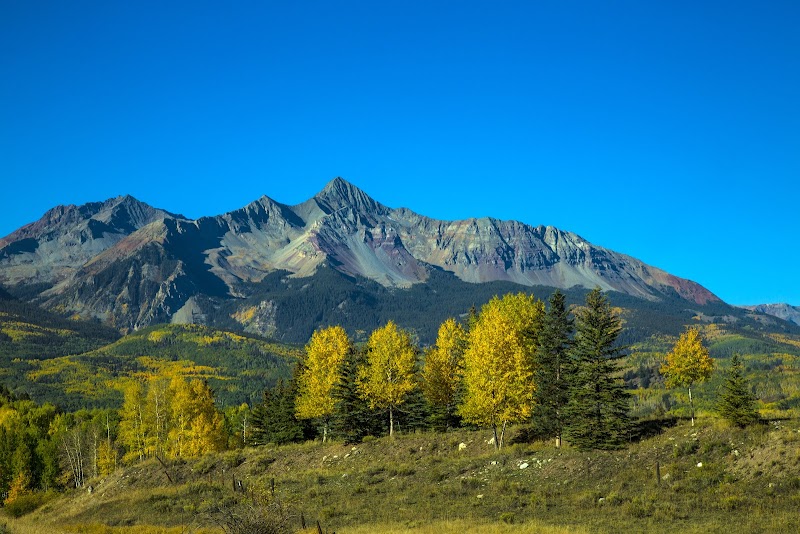
Imogene Pass, one of Colorado's highest drivable mountain passes at 13,114 feet, offers a rugged and thrilling adventure through jagged peaks and wildflower-strewn meadows. The route stretches about 17 miles from Ouray to Telluride, winding through steep grades, loose scree, and rocky sections that challenge not only your physical endurance but your gear's readiness. The air thins as you ascend, the alpine landscape daring you onward with panoramic views that sweep across the San Juan Mountains.
Riders face changing conditions as swiftly as the terrain shifts—sun-drenched talus slopes give way to patches of lingering snow even in summer, while sudden afternoon thunderstorms push clouds racing overhead. Planning for these shifts is essential. Hydration is your first battle; high altitude amplifies dehydration, so carry ample water and consider electrolyte replacements. Footwear demands solid grip and ankle support — trail runners with stiff midsoles or lightweight hiking boots perform best on the jagged, uneven trails and rocky shoulders.
Layering your clothing is equally critical. Lightweight, moisture-wicking base layers keep sweat from chilling you, while windproof shells shield against gusts whipping through exposed ridges. A hat and UV-protective sunglasses guard your eyes and face beneath the intense mountain sun. Don't underestimate gloves—hands can get cold fast at elevation, especially when gripping handlebars tightly on technical descents.
Timing your ride for early morning hours helps you avoid afternoon storms and the fatigue that comes with higher temperatures. Sun breaks through dense forests guarding the trail early on, before releasing into alpine tundra that feels fiercely itself—untamed and sharp. Bring a compact first aid kit and basic bike repair tools; mechanical issues here can leave you exposed several miles from help. A map or GPS is vital too; the landscape offers few clear markers and the pass's rugged folds often seem to rearrange with shifting light.
Ultimately, this ride demands respect for the mountain’s character. Imogene Pass is no mere route, but a challenge wrapped in striking beauty, where preparation meets exhilaration at every turn. Gear up wisely, ride alert, and let the mountain be your uncompromising guide.
Nearby Trips
All Adventures
Boat Charters
Water Activities
Adventures near Telluride
Discover the unique and memorable adventures that make Telluride special.
Frequently Asked Questions
What is the best way to acclimate for Imogene Pass?
Spend a couple of days in Telluride or nearby lower elevation before the ride to allow your body to adjust to thinner air. Hydrate well and avoid heavy exertion the day before.
Are motor vehicles allowed on Imogene Pass?
Yes, but conditions can be treacherous. Bikes and jeeps frequent the pass, so stay alert and communicate when sharing narrow sections.
Is camping allowed on or near Imogene Pass?
Dispersed camping is permitted in surrounding National Forest lands, but staying inside designated areas or established campgrounds near Telluride is safer and more environmentally responsible.
What wildlife might I encounter?
Be on the lookout for marmots, mountain goats, and the occasional black bear. Early morning or late afternoon rides increase chances of wildlife sightings.
How technical is the trail for a mountain bike?
The pass includes highly technical sections with loose rocks and switchbacks requiring solid mountain biking skills and confidence with high-altitude fatigue.
Are there potable water sources along the route?
Streams are present but should be treated before drinking. Do not rely on untreated sources as snowmelt and runoff can carry contaminants.
Recommended Gear
Hydration Pack with Electrolyte Storage
Ensures hydration and proper electrolyte balance to combat altitude-induced dehydration.
Sturdy Trail Running Shoes or Lightweight Hiking Boots
Supports ankles and grips rocky, uneven terrain encountered on multi-use sections of the pass.
Lightweight Wind and Water-Resistant Jacket
Offers protection from sudden gusts and mountain showers without overheating.
Compact Multitool and First Aid Kit
Prepares you for mechanical fixes and minor injuries far from medical assistance.
Local Insights
Hidden Gems
- "The Devil's Punchbowl–a natural rock formation near the summit offers a striking vantage point."
- "Ridgeline views overlooking Telluride Ski Resort give a unique perspective often missed by typical pass visitors."
Wildlife
- "Snowshoe hares in spring"
- "Golden eagles riding thermals above the peaks"
- "Mountain goats navigating steep cliffs"
History
"Imogene Pass served as a supply route for miners in the late 1800s and remains a testament to Colorado’s mining heritage and rugged past."