
Photographing Alaska’s remote wildlife and landscapes demands gear that can keep pace with its untamed terrain and unpredictable weather. From telephoto lenses to waterproof boots, this guide equips you to capture the fierce beauty of Denali and beyond, blending practical preparation with immersive adventure.
Pack for Variable Weather
Layers are your best defense. Prepare for rain, wind, and rapid temperature swings common in Alaska’s interior parks.
Use a Tripod for Low Light
Stable shots at dawn and dusk reveal wildlife activity and landscape texture otherwise missed in hand-held photos.
Plan Hikes Around Wildlife Activity
Early morning and late evening provide the best opportunities to observe animals while avoiding midday heat and crowds.
Hydrate and Filter Water
Rivers can be deceiving; carry a reliable water filter and enough fluids to stay hydrated over long treks.
Essential Gear for Capturing Alaska’s Remote Wildlife and Landscapes

Full Day Individual Private Tour
Ages 12+ • 10 Hours • What you dream, we can design!
Discover the breathtaking landscapes and wildlife of Alaska on a private full-day photography tour in Fairbanks. Perfect for capturing stunning photos while exploring Alaska's natural wonders with expert guidance.
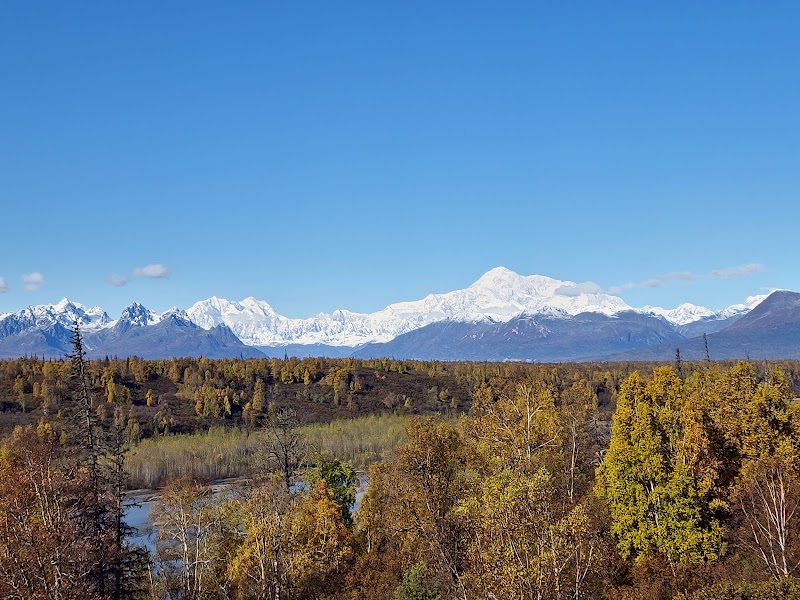
Alaska’s remote parks are wild arenas where mountains push the sky, glaciers chisel earth, and animals move with a quiet authority. Photographing these raw places means matching your gear to the land’s rhythm and demands. Whether you’re in Denali National Park or Wrangell-St. Elias, the terrain challenges both your body and your camera. Expect uneven, often muddy trails stretching 5 to 12 miles with elevation gains around 1,000 feet, their forested paths and tundra ridgelines offering shifting perspectives.
Start with rugged, weatherproof camera gear: a DSLR or mirrorless body paired with a telephoto lens (200-400mm recommended) to capture wary bears or distant caribou without breaking their focus. Wide-angle lenses (16-35mm) help freeze sweeping panoramas, from glacier-carved valleys to sky-steep peaks. Lens filters—polarizers and neutral density—will become allies against glare and fluctuating light.
Robust, layered outdoor clothing stands just as vital. Weather can swing fast, with sudden rain or chill winds daring you at any time. Waterproof boots with solid ankle support keep footing steady on rocky, sometimes slick trails. Pack moisture-wicking base layers for long hikes and quick changes in temperature.
Don't forget your tripod: essential for low-light shots at dawn or dusk when wildlife stirs and landscapes glow. A sturdy, lightweight model that fits your pack without burdening you will ensure steady frames in gusty conditions. Extra batteries and memory cards are non-negotiable; cold saps power swiftly, and the last thing you want is to miss a grizzly’s approach due to dead equipment.
Finally, practical comes as hydration strategies and snack planning. Remote parks don’t hand out water stations or cafes—the river may look inviting but often runs swift and cold, daring you not to depend solely on it without filtration.
Strategically plan your hikes with daylight in mind. The golden hours around sunrise and sunset amplify texture and detail, with animals more active and shadows deeper. Select trails like the Savage River Loop in Denali (5 miles round-trip, 700 feet gain) for a balance of accessible wildlife viewing and sweeping vistas. Engage with nature’s fierce independence, respect each element’s space, and carry your gear ready for sudden shifts. Your camera will not just document Alaska; it will challenge you to see it fully, patiently, and pragmatically.
Nearby Trips
All Adventures
Boat Charters
Water Activities
Adventures near Talkeetna
Discover the unique and memorable adventures that make Talkeetna special.
Frequently Asked Questions
What’s the best time to photograph wildlife in Alaska’s remote parks?
The early morning and late evening windows, often called 'golden hours,' provide optimal lighting and increased animal activity, offering more dynamic, natural photos.
Are guided tours necessary for wildlife photography in these parks?
Not always, but guided tours increase safety and local knowledge, especially for spotting elusive species and avoiding dangerous encounters with bears or moose.
How can I keep my camera gear safe from Alaska’s unpredictable weather?
Use weatherproof camera bags, lens covers, and silica gel packs. Quick-dry cloths and plastic covers help manage sudden rains and condensation.
What wildlife should I be prepared to see?
Look for grizzly bears, moose, Dall sheep, caribou, bald eagles, and occasionally wolves, each commanding space with distinct behaviors worth capturing.
Can I expect cell phone reception in remote parks?
Coverage is minimal or non-existent. Plan accordingly with offline maps, GPS devices, or satellite communicators for safety.
Are there restrictions on where I can photograph within the parks?
Some sensitive wildlife habitats and cultural sites have access restrictions. Check with park rangers for up-to-date rules and respect all posted signs.
Recommended Gear
Telephoto Lens (200-400mm)
Necessary for capturing distant or cautious wildlife clearly without disturbing their natural behavior.
Waterproof Hiking Boots
Keeps feet dry and protected on the often wet, muddy, and rocky trails common in Alaska’s parks.
Lightweight Tripod
Supports steady shots during low light conditions and long exposure landscape photography.
Portable Water Filter
Ensures safe hydration when relying on natural streams and rivers during longer remote hikes.
Local Insights
Hidden Gems
- "Polychrome Pass – a vibrant geological feature offering unique landscape colors."
- "Teklanika River Overlook – a less-crowded vantage point for bear sightings."
- "Eielson Visitor Center viewpoints – excellent for panoramic glacier shots."
- "Hidden alpine tundra meadows with wildflowers near Stony Dome Trail."
Wildlife
- "Grizzly bears with their patient watchfulness along riverbanks."
- "Moose appearing as silent monarchs grazing marshy edges."
- "Dall sheep navigating steep ridges with feline surefootedness."
- "Migratory birds frequenting wetlands during summer thaw."
History
"Denali’s trails were originally used by indigenous Athabaskan peoples and later surveyed by early 20th-century explorers mapping Alaska’s vast wilderness."