
Timing Your Southern Utah Adventure for Clear Views and Safe Trails
Southern Utah’s dramatic desert terrain offers breathtaking hiking opportunities, but timing your visit is key to clear vistas and safety on rugged trails. Learn when to go, what to expect, and how to prepare for the region’s shifting climate and terrain.
Start Early to Beat the Heat
Begin hikes at sunrise during spring through fall to enjoy cooler temperatures and avoid harsh midday sun on exposed trails.
Hydration is Non-Negotiable
Carry a minimum of 3 liters of water per person and include electrolytes to prevent dehydration in hot desert conditions.
Wear Footwear With Good Ankle Support
Trails feature slickrock, loose gravel, and uneven terrain; sturdy boots reduce injury risk and improve grip on rock surfaces.
Check Weather Forecasts Before You Go
Flash floods can appear suddenly, especially in narrow canyons; understanding weather patterns is crucial for safety.
Timing Your Southern Utah Adventure for Clear Views and Safe Trails

5 Day Southern Utah Custom Tour
Join Desert Solitude for a custom 5-day journey through Southern Utah’s awe-inspiring landscapes. Experience iconic national parks, hidden spots, and geological wonders tailored to your interests in this rugged wilderness.
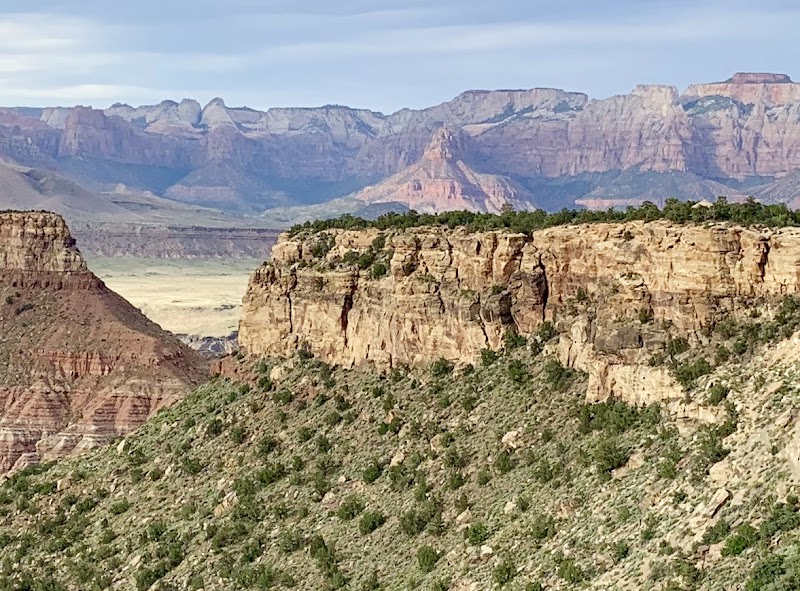
Southern Utah’s rugged landscapes—marked by towering red rock formations, expansive desert plateaus, and narrow slot canyons—demand thoughtful timing to optimize scenic clarity and safety. The terrain doesn’t simply wait for you; it tests your preparation and rewards respect. Early mornings in spring and fall provide crisp air, gentle sunlight, and cooler temperatures, ideal for traversing rough trails that include slickrock slabs, loose gravel, and occasional steep ascents. A typical hike here, such as the 6-mile roundtrip with 1,200 feet of elevation gain, unfolds against walls of sandstone that glow as the sun moves, but midday heat quickly flattens color and challenges endurance.
Plan for sharp temperature swings. Days can climb above 90°F in summer, exposing you to harsh sunlight that attacks the exposed desert floor like a relentless force. Hydration isn’t optional. The veins of desert springs, dry washes, and ephemeral streams seem to dare you to count on them, but water management remains your responsibility. When trails cross exposed ridges, the sun becomes an unrelenting companion, pushing you to slow your pace and time your outing before or after its peak.
Trail conditions shift with the seasons. Winter mornings grant stillness, often blanketed in a calm frost that softens the desert’s raw edges, but trails turn icy, and wind can bite when canyon walls funnel cold air. Late spring and early fall strikes a balance—temperatures ride comfortably between 60 and 80°F, and the atmosphere remains clear enough to reveal sweeping panoramas or distant peaks in sharp focus. Your boots will grip slickrock more predictably, and the risk of sudden storms falls.
Safety here hinges on preparation and respecting the environment’s mood. Footwear with solid tread and ankle support is essential, as is layering clothing to adjust for swift changes in temperature on open ridges or shaded ravines. Carry at least three liters of water plus electrolytes, and map out shaded resting points. Letting the desert’s natural rhythms set your pace, rather than rushing, ensures you engage fully with a landscape fiercely itself, demanding attention and rewarding those who show it.
Timing your hike in Southern Utah is more than scheduling; it’s synchronizing with a complex ecosystem of sun, rock, wind, and seasonal shifts. When hours and seasons align, the terrain reveals itself clearly—a canvas of colors vibrant and safe to explore, daring you onward but never inviting recklessness.
Nearby Trips
All Adventures
Boat Charters
Water Activities
Adventures near St. George
Discover the unique and memorable adventures that make St. George special.
Frequently Asked Questions
When is the best time of day to start a hike in Southern Utah?
Early morning, ideally before sunrise, offers cooler temperatures and the best light for viewing and photography. This timing also helps hikers avoid afternoon heat and potential thunderstorms during summer months.
Are there any lesser-known spots to see in the area for photography?
Yes, hidden alcoves along Canyon Overlook Trail and secluded ridges near Red Cliffs Desert Reserve provide unique framing opportunities for rock formations and desert wildlife away from busy viewpoints.
What wildlife should I be aware of during hikes?
Keep an eye out for desert bighorn sheep, western rattlesnakes, and occasionally, burrowing owls. While sightings aren’t guaranteed, maintaining respectful distance and awareness is vital for safety.
How can I stay safe from flash floods in slot canyons?
Always check weather reports not just locally but across the watershed areas upstream. Avoid entering narrow canyons if rain is forecasted within 24 hours anywhere nearby, as floodwaters travel rapidly and unpredictably.
Are pets allowed on these trails?
Many trails in Southern Utah allow pets but require leashes and adequate water for them. Be mindful that summer heat can be especially dangerous for dogs on hot rock surfaces.
What permits or fees should I be aware of?
Some areas require day-use permits or parking fees, such as sections managed by national parks or certain wilderness areas. Check local regulations before heading out to avoid fines.
Recommended Gear
Hiking Boots with Good Tread
Provides support and grip needed for slickrock and gravel trails common in the region.
Hydration Pack or Water Bottles
Crucial for carrying sufficient water to avoid dehydration in the arid desert climate.
Sun Protection (Hat, Sunglasses, Sunscreen)
Protects skin and eyes from intense UV rays pounding open sections of the trail.
Layered Clothing
Allows quick adaptation to temperature swings, especially when temperatures drop sharply in mornings and evenings.
Local Insights
Hidden Gems
- "The Moonshine Arch viewpoint offers distant panoramic views less frequented by crowds."
- "Folded rock formations near Pine Valley Mountain provide striking geology in a quieter setting."
Wildlife
- "Desert tortoises emerge in spring to bask along sunlit trails."
- "Golden eagles patrol thermals above the canyons, often spotted circling near cliffs."
History
"Southern Utah’s landscape holds ancestral Puebloan sites and petroglyphs referencing centuries-old human connection with the land. These cultural remnants underline the need for respectful exploration and conservation."