
Optimal Times and Weather for Canyon Rappelling in Greater Zion
Canyon rappelling in Greater Zion offers exhilarating descents into stunning sandstone corridors, with timing and weather playing crucial roles in your experience. Learn when to hit the canyons for the best light, safety, and comfort, so your adventure is as seamless as it is thrilling.
Start Early to Avoid Heat and Crowds
Begin your rappel before 9 AM to enjoy cool rock surfaces and a quieter trail, reducing risks linked to heat exhaustion and overcrowding.
Stay Hydrated Throughout the Day
Carry at least 2 liters of water and drink regularly, as Greater Zion’s dry air accelerates dehydration, especially during summer descents.
Wear Durable, Grippy Footwear
Choose shoes with solid traction designed for sandstone; it protects feet and improves stability on slick or abrasive canyon surfaces.
Check Weather and Flash Flood Warnings
Monitor local forecasts closely—flash floods can turn a safe route dangerous within minutes during rainstorms, particularly in narrow canyon sections.
Optimal Times and Weather for Canyon Rappelling in Greater Zion

UTV Ride and Rappel Combo Adventure
Your Adventure, Elevated!
Looking for an adrenaline-packed outdoor experience in Utah? Discover the thrill of off-road UTV riding combined with exhilarating rappelling, all set against the stunning desert backdrop of Hurricane. Keep reading to learn more about this unique adventure!
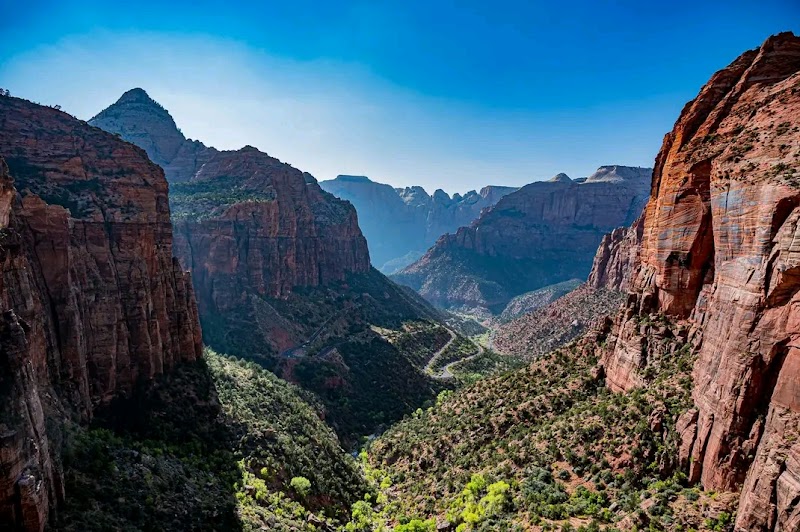
Canyon rappelling in Greater Zion demands attention not only to technique but to timing and weather. The canyons here are intensely alive, with cliffs that shift from sun-drenched warmth to cool shadowed veins, depending on the hour and season. Early mornings are prime for rappelling: the air is crisp, and the rock faces hold the remnants of the night’s cool dampness, offering reliable friction for your feet and ropes that aren't overheated by the sun. Starting before 9 AM also means fewer crowds, enhancing both safety and solitude.
Afternoon outings come with their own character. As the midday sun climbs, the slick sandstone heats up, and the canyon walls reflect intense light, making gloves and hydration critical. The rapids and pools below dare you with changing flow rates, especially after spring runoff or summer monsoons. For practicality, monitor weather reports closely—sudden rain can swell hidden waterways, turning a planned descent into a risky plunge.
Weather-wise, Greater Zion delivers ideal conditions primarily from late spring through early fall. Spring mornings carry the chill of winter’s tail, warming quickly by midmorning, ideal for moderate effort and exploration of side canyons. Summer heat presses hard by noon, driving plunges into shaded crags or water crossings to cool down. Fall balances this out with stable weather and cooler air, the rock faces glowing golden under the low-angle light, creating excellent conditions for both safety and scenic enjoyment.
Winter rappelling is less common but rewarding. Cold air presses against the rock, drying surfaces rapidly after rare rains or snow. Minimal crowds mean the canyon feels fiercely possessed by nature. However, cold temps demand insulated gloves and layered clothing to protect skin while maintaining dexterity. Plan shorter routes and remain vigilant for ice patches in shaded cracks.
For any season, hydration is non-negotiable. The desert environment’s dry heat binds thirst quickly, even if you don’t immediately feel it. Footwear should be sturdy, with good grip on sandstone and protection against abrasive edges. Timing your rappel to avoid the fiercest heat and the spikiest sun will keep muscles responsive and skin safe.
In sum, canyon rappelling in Greater Zion becomes a dance with the natural rhythms of sunlight and weather. The canyons aren’t just backdrops but active partners, shaping when and how you descend. Prepare with respect: check weather forecasts, choose your start time carefully, and pack gear to manage both heat and chill. This preparation ensures your ride down the ancient rock walls blends thrill and safety in equal measure.
Nearby Trips
All Adventures
Boat Charters
Water Activities
Adventures near Springdale
Discover the unique and memorable adventures that make Springdale special.
Frequently Asked Questions
When is flash flooding most likely in Greater Zion canyons?
Flash floods are most common during summer monsoon season, typically July through September, especially during heavy afternoon storms. Narrow canyons funnel water rapidly, so checking weather and avoiding rains upstream is essential.
Are there any beginner-friendly canyon rappelling routes nearby?
Yes, routes like the Lower Pine Creek Canyon offer moderate rappelling with less technical skill required, shorter distances, and accessible approaches, making them suitable for first-timers guided by professionals.
What wildlife might I see during a canyon rappel?
You might spot canyon wrens darting along cliff faces, mule deer browsing nearby scrub, or lizards sunning on rocks. Raptors like red-tailed hawks patrol overhead, adding life to the rugged scenery.
What environmental practices should rappellers follow here?
Always practice Leave No Trace principles: minimize trail impact, avoid disrupting vegetation, pack out all gear, and respect wildlife habitats to preserve these canyons’ fragile ecosystems.
Are there any lesser-known viewpoints along typical rappel routes?
Yes, many routes have hidden alcoves that reveal unique perspectives of the Virgin River and distant mesas—exploring beyond main paths often rewards with quiet, panoramic vistas missed by most.
How can I prepare physically for canyon rappelling in Greater Zion?
Focus on building upper body strength and endurance through climbing, rope work, and cardio training. Practice rappelling techniques beforehand and gradually increase hiking elevation gains to acclimate to local terrain.
Recommended Gear
Helmet
Protects against rockfall and bumps in narrow canyon sections.
Rappelling Harness and Rope
Critical gear for safe descent; ropes withstand abrasion and provide control.
Gloves
Protect hands from rope burn and improve grip on hot or cold rock surfaces.
Hydration Pack
Keeps water accessible during extended exposure to dry air and heat.
Local Insights
Hidden Gems
- "Secret viewpoints along Pine Creek offering expansive Virgin River views"
- "Secluded pools tucked behind sandstone ledges serving as natural cool-down spots"
Wildlife
- "Canyon wrens"
- "Mule deer"
- "Lizards"
- "Red-tailed hawks"
History
"Greater Zion’s canyons hold cultural significance for the Southern Paiute people, who have long respected these paths and waterways, integrating the land’s features into their traditions and stories."