
Mastering Timing Strategies for Tahoe’s Trails Around Changing Weather
Navigating Tahoe’s trails means syncing with the weather’s flow. This guide breaks down how to time your hikes before and after weather shifts, balancing adventure with safety to maximize every step through forested paths and mountain ridges.
Start Early to Beat Weather Swings
Hit trails at dawn when the air is cooler and weather stable. Afternoon storms are common—finishing before noon keeps you safe and dry.
Adjust Plans Based on Forecast Windows
Check local weather regularly and aim to hike before storms arrive or wait hours after rain for trails to dry to reduce slip risks.
Choose Footwear Carefully
Select shoes with firm grip and ankle support due to Tahoe’s mix of slick granite and uneven dirt surfaces, especially after rain.
Hydrate Thoroughly at Elevation
Even if you don’t feel thirsty, drink at least two liters for standard hikes. Elevation and dry air push dehydration faster than expected.
Mastering Timing Strategies for Tahoe’s Trails Around Changing Weather

Full Suspension Mt Bikes - 3 Day Rentals
Starting at $330 | All Sizes
Discover Truckee's incredible mountain biking trails with a 3-day full suspension bike rental from Bike Truckee. Explore scenic singletracks, challenge yourself on rugged terrains, and enjoy the unmatched beauty of California's Sierra Nevada region. Perfect for riders seeking adventure and flexibility.
Lake Tahoe’s trails demand respect, especially when weather shifts its mood. From the first cautious step on forested paths to the final gaze over squalls-washed peaks, timing your hike is a tactical play. Understanding how weather breathes life into terrain—turning dirt to slick mud or sunlight to scorching glare—helps you meet the mountain on its terms.
Start by monitoring local forecasts several days ahead. Tahoe’s weather changes fast—morning fog can lift to blazing sun, or afternoon storms can descend in minutes. For most hikes, hit the trail early. Daybreak brings cooler, stable air and fewer crowds, letting you thread through pine-scented corridors before post-noon gusts stir the aspens or lightning moves in.
Trails like Eagle Falls Loop (2.5 miles, 900 feet elevation gain) or Mount Tallac (9 miles, 3,300 feet gain) test your ability to read the sky as much as your legs. Approaching weather fronts means slick granite and exposed ridges become less forgiving. If rain or snow is forecast, schedule your hike for before the front arrives—ideally finishing mid-morning. After storms, wait until the sun peels back wet clouds and softens mud to packed earth before heading out. Slippery roots and rocks dare your every step when the trail is freshly soaked.
Hydration is always crucial here. Higher elevations dry you quicker than you feel. Pack at least two liters of water, sip regularly, and filter from streams only if necessary and safe. Footwear needs traction plus ankle support; Tahoe’s mix of granite slabs and loose dirt won’t forgive worn soles or flimsy shoes.
Key timing also hinges on season. Spring thaw means soggy meadows and swollen creeks that can slow progress or hide hazards. Fall brings drier trails but shorter daylight—plan accordingly. Winter’s snow demands extra gear and skills but offers a different kind of thrill if you respect its power.
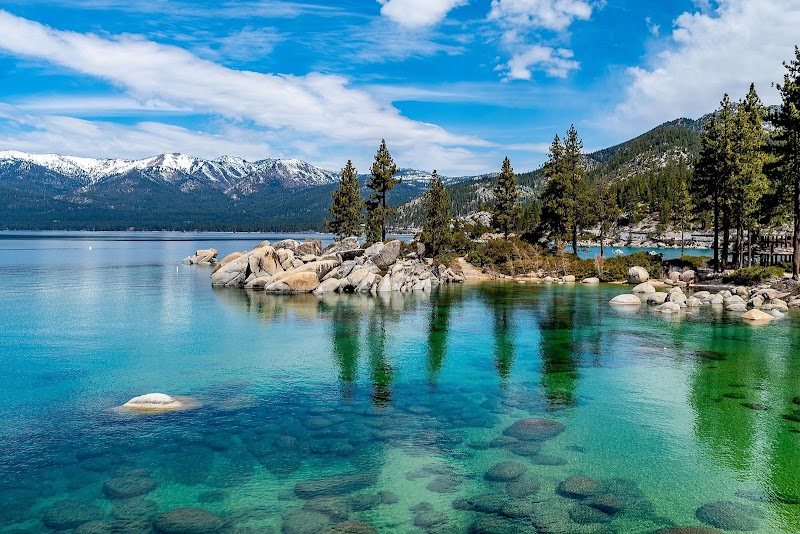
Watch how the forest changes with weather: the wind whistles through firs, birches lean into the breeze, rivers rush like they’re pushing you forward, charging downstream. When the sun breaks through clouds, the sapphire lake below flashes, inviting but only after you’ve made safe passage over earth still fierce from recent rains.
Practical planning blocks the unexpected from turning into the unwanted. Rain gear stowed in your pack, layers to adjust sweat and chill dynamically, and a flexible itinerary that bends with the mountain’s rhythm all multiply your chances of a rewarding hike.
Timing is more than convenience—it’s your alliance with Tahoe’s wild pulse. When you read the signs and plan around weather’s temper, the trail opens not just as a path, but as an invitation to engage with something fiercely itself.
Nearby Trips
All Adventures
Boat Charters
Water Activities
Adventures near South Lake Tahoe
Discover the unique and memorable adventures that make South Lake Tahoe special.
Frequently Asked Questions
What’s the best way to track changing weather in Tahoe before a hike?
Use multiple local sources like the National Weather Service, Tahoe-specific weather apps, and trailhead bulletin boards. Pay special attention to afternoon storm predictions and recent temperature trends.
Are Tahoe’s trails open year-round despite weather changes?
Most are accessible year-round, but winter snow can obscure paths and make some routes unsafe without snowshoes or crampons. Spring runoff can flood lower trailheads.
How do I safely cross creeks swollen by recent rains?
Look for shallow, slow-moving spots where rocks and fallen logs create stable footing. Use trekking poles for balance and avoid crossing if currents appear strong or water rises above knee level.
Which trail offers a lesser-known viewpoint worth timing around clear weather?
The Eagle Rock Trail near South Lake Tahoe offers quiet vantage points with unobstructed views of Fallen Leaf Lake, especially vivid in early morning light before winds pick up.
What wildlife might I encounter when weather shifts impact trail conditions?
You may see black bears seeking shelter during storms, mule deer grazing in early fog, and songbirds like mountain chickadees more active when skies clear.
What are the key environmental considerations when hiking Tahoe’s trails around changing weather?
Stay on marked trails to prevent erosion worsened by heavy rains, pack out all waste to protect water quality, and avoid hiking on saturated soils that damage fragile root systems.
Recommended Gear
Waterproof hiking boots
Protect feet from slick rocks and wet trails with good traction and ankle support.
Layered clothing system
Allows quick adaptation to temperature swings and wind exposure.
Hydration system (e.g., CamelBak or bottles)
Maintains hydration critical at higher elevations and with physical exertion.
Compact rain jacket
Keeps you dry and windproof during sudden weather changes.
Local Insights
Hidden Gems
- "Eagle Rock’s overlooked lake viewpoints"
- "Marlette Lake Trail’s quiet forest pockets east of Tahoe"
Wildlife
- "Black bears"
- "Mule deer"
- "Mountain chickadees"
- "Pine martens"
History
"Lake Tahoe trails trace routes once used by the Washoe Tribe and later by early miners and settlers. Some paths still bear remnants of logging activity from the 19th century."