
Mastering Marine Visibility: Timing Your Half-Day Boat Dives in Raja Ampat
Raja Ampat offers some of the world’s clearest and most vibrant underwater scenes for half-day boat dives. This guide breaks down when to dive for maximum visibility, blending ocean science with practical advice to boost your marine discoveries.
Dive at Dawn for Peak Clarity
Schedule boat departures early, ideally between 6:00 and 7:30 a.m., to catch the calm currents and lowest plankton concentration.
Consult Tide Charts Before Diving
Plan dives during incoming tides to benefit from water flow that refreshes reef areas and improves underwater visibility.
Avoid Diving After Rainfall
Heavy rains increase sediment runoff into coastal waters, significantly reducing visibility for up to 24 hours after storms.
Stay Flexible and Communicate
Weather in Raja Ampat can change fast. Keep close communication with your dive operator to adjust schedules when necessary.
Mastering Marine Visibility: Timing Your Half-Day Boat Dives in Raja Ampat

Whole Boat – 1/2 Day
All ages • Up to 6 people
Experience a personalized 4-hour private boat dive in Panama City Beach with Sea Cow Aquatic Adventures. Discover vibrant marine life and stunning underwater scenery with expert guidance—perfect for certified divers seeking an intimate, flexible adventure. Join Sea Cow Aquatic Adventures for an exclusive half-day boat dive in Panama City Beach, Florida. This tailored experience caters to up to six guests, offering the chance to explore Gulf waters with a private captain at the helm. The trip is ideal for certified divers who want to visit pristine reefs and encounter diverse marine ecosystems, all in a relaxed, personalized setting. Leaving from Panama City, the vessel takes you to prime dive sites where visibility often exceeds 50 feet, revealing colorful corals, schools of fish, and the possibility of sea turtles. The boat provides a comfortable platform for diving, with equipment and safety gear included, ensuring a smooth and enjoyable experience. What makes this trip stand out is its flexibility. Guests can specify their preferred sites or trust local expertise to visit lesser-known spots that harbor rich marine life. The private setting allows for customized dive plans, making it an excellent choice for families, groups, or solo adventurers keen on exploring the Gulf’s underwater world. Sea Cow Aquatic Adventures’ focus on safety, small-group intimacy, and customer service forges a memorable diving experience that combines adventure with relaxation. Whether it’s your first Gulf Coast dive or a repeat visit, this half-day venture offers a perfect blend of discovery, comfort, and tailored exploration in Panama City Beach.
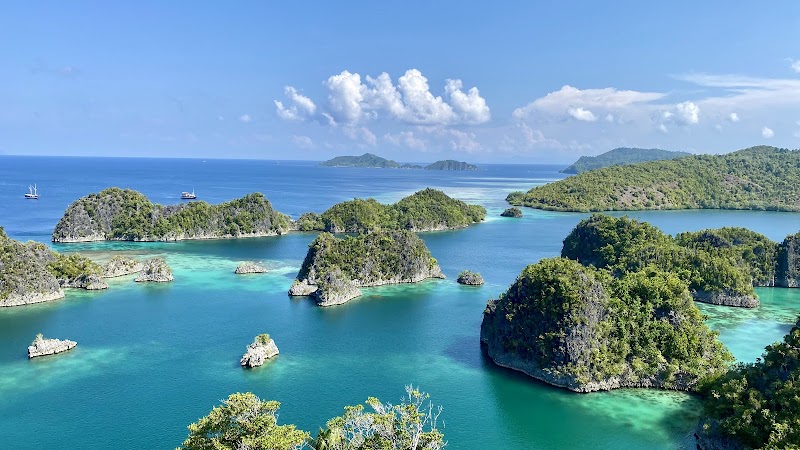
When planning half-day boat dives in Raja Ampat, timing is your greatest ally for optimal marine visibility. The waters here are alive, fiercely independent, and their clarity ebbs and flows with the ocean’s temperament. Early mornings, just as sunlight punches through the horizon, are prime. At this hour, the currents are gentle, water temperatures steady, and plankton levels at their lowest, letting visibility stretch beyond 30 meters in many dive sites.
Visibility doesn’t just hinge on the clock—tidal patterns matter profoundly. Incoming tides push clearer water into shallow reefs, refreshing underwater views while outgoing tides can stir silt and diminish clarity. Check local tidal charts aligned with your dive schedule—the push of the rising tide can sharpen your underwater experience.
Avoid diving right after heavy rains. Rainfall drives sediment from rivers and coastal runoff into the marine environment, painting the water murky. If your half-day trip falls on a day following storms, prepare for compromised visibility.
Another consideration is the moon phase. Around full moon, stronger nocturnal currents can alter water quality momentarily but also energize marine life activity, offering a double-edged sword of spectacle and occasional murkiness. For purely clear water, aim for dives closer to the new moon.
Practical tip: align your dives with boat departure times in the early mornings to capitalize on these conditions. Most dive operators in Sorong or Waisai launch between 6:00 and 7:30 a.m., purposely aiming for those precious hours of clarity.
Stay vigilant on weather changes, too. Raja Ampat’s tropical climate can shift rapidly; a cloudburst isn’t just a surface event, it ripples underwater visibility within minutes. Communicate closely with your dive guide to pivot plans if conditions turn.
Packing for these precise dive windows means considering UV protection for waiting times—reef-safe sunscreen, a wide-brimmed hat, and hydration as you wait on deck under tropical sun. Breathable, quick-dry clothing keeps you comfortable and ready to jump in the moment visibility peaks.
Respecting the ocean that changes on its own terms equips you to get the most from every half-day dive in Raja Ampat. Plan with tides, sun, and seasons in mind and you’ll find clarity where the marine world unapologetically shines its best, revealing vibrant coral gardens and curious reef creatures in crystal frames.
Nearby Trips
All Adventures
Boat Charters
Water Activities
Adventures near Sorong
Discover the unique and memorable adventures that make Sorong special.
Frequently Asked Questions
What influences water visibility in Raja Ampat?
Visibility depends heavily on sunlight, tide patterns, and recent weather. Early morning light and incoming tides generally clear water by pushing fresher ocean currents over reefs. Rainfall stirs sediment, temporarily clouding the water.
Can visibility vary between dive sites on the same day?
Yes, local topography, currents, and proximity to river mouths mean some sites clear faster or stay murky longer. Dive operators know these patterns and select sites most likely to offer clear conditions for your dive schedule.
Are there specific dive sites with consistently good visibility?
Sites like Cape Kri and Blue Magic often maintain good visibility due to their exposure to open ocean currents, but even these vary with weather and tides.
How do moon phases affect visibility?
Around the full moon, stronger nocturnal currents can stir sediments and reduce clarity temporarily. Diving near the new moon typically means calmer waters and clearer visibility during the day.
Is it safe to dive immediately after heavy rain?
It's generally advised to wait at least 24 hours after heavy rain to allow sediment to settle. Diving too soon risks poor visibility and potential harm to marine life sensitive to disturbed conditions.
How to prepare for changing weather on a half-day boat dive?
Bring lightweight rain gear and always check weather updates with the dive operator. Flexible schedules enable switching dive sites or adjusting timing to maintain safety and visibility quality.
Recommended Gear
Reef-Safe Sunscreen
Protect skin from tropical UV rays while preserving marine ecosystems during surface intervals.
Lightweight Dive Gloves
Protect hands from sharp coral or rocky surfaces during underwater navigation.
Hydration Pack
Staying hydrated is critical under the hot tropical sun while waiting on deck between dives.
Waterproof Camera Housing
Capture vivid reef scenes during optimal clarity moments without risking equipment damage.
Local Insights
Hidden Gems
- "Pasir Timbul Sandbar at low tide, a rare underwater blossom surrounded by crystal-clear water."
- "Hidden caves near Dampier Strait offering shelter for unique reef fish."
Wildlife
- "Wobbegong sharks resting on the sea floor"
- "Mandarinfish performing their courtship dances at dusk"
History
"Raja Ampat has long been a vital navigational hub and cultural meeting point between Melanesian communities. It maintains a strong tradition of marine stewardship through indigenous-led conservation practices."