
Sitka's coastal waters offer one of the best whale watching experiences in Alaska, with prime viewing from late spring to early fall. Learn when and how to time your trip to witness humpbacks and orcas in their natural rhythm, with practical tips to prepare for changing sea conditions and maximize your encounter.
Choose Calm Weather Days
Whales are easier to spot on calm seas when the water surface is glassy and the air is clear—check local marine forecasts before booking your trip.
Dress in Layers and Waterproof Gear
Sudden wind, spray, and changing temperatures demand waterproof outerwear and warm layers to stay comfortable on the water.
Bring Binoculars and Zoom Lenses
Whale behaviors often happen at a distance; quality optics dramatically improve your chances of spotting dorsal fins and breaches.
Boat Tours vs. Shore Viewing
Decide if you want a guided boat tour for closer encounters or shore vantage points like Necker Bay for relaxed, safe viewing without the sea motion.
Timing and Conditions for Whale Watching From Sitka's Waters

3/4 Day Salmon Fishing and Whale Watching Combo
Starting at $1,300 | 6 Hours | Best way to experience nature!
Discover the thrill of salmon fishing combined with whale watching on a half-day trip with Lost in Alaska Adventures. Set sail from Juneau aboard 'The Wolf Eel' for an unforgettable marine experience surrounded by towering fjords and abundant wildlife.
Sitka's waters are a living corridor where the ocean breathes fiercely and whales move with purpose. To catch sight of these giants, timing is everything—whale watching here hinges on understanding the rhythm of the sea and the creatures that command it. From late spring through early fall, pods of humpbacks and orcas gather offshore, their presence marked by the rising spray of their breaths, a fleeting yet unmistakable signature cutting the misty air.
Best viewing windows align with calm, clear days when the sea mirrors the sky and whales surface more visibly. Early mornings often hold a quiet stillness, the water gently rocking as pods push forward in search of salmon. By late afternoon, currents shift, creating zones where whales congregate to feed or rest. Choosing a trip during slack tides increases the odds of steady waters and better whale encounters.
Conditions aren’t static. Sudden weather changes can turn the waters choppy, challenging even seasoned guides. Dress in waterproof layers and prepare for the ocean’s temperamental moods—they are as much a part of the adventure as the whales themselves. Boots with solid grip and wind-resistant outerwear are practical armor against spray and wind.
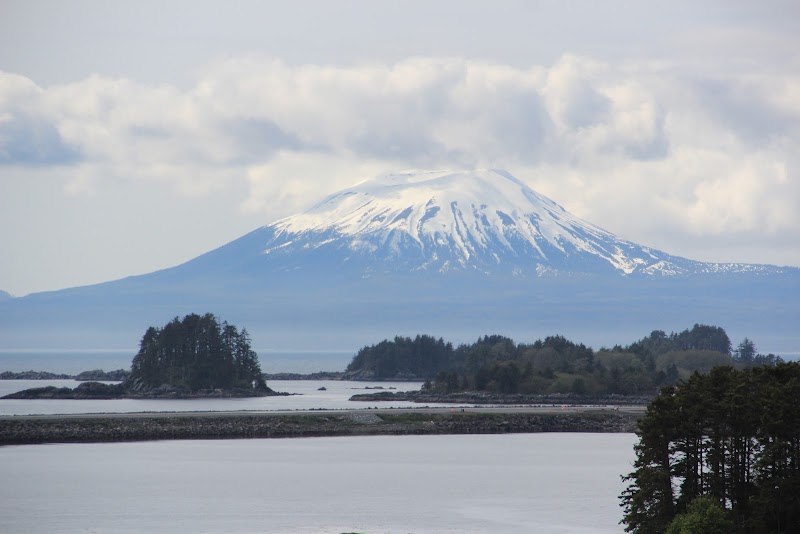
While the route is primarily open ocean, coastal islands and inlets provide sheltered vantage points if you choose to watch from shore. Sitka Sound and Necker Bay are the hotspots, with waters deep enough to support feeding whales but calm enough for small boats. Planning your trip between May and September hits the prime season. Outside these months, whale activity retreats, and the sea claims a quieter pace.
Don’t expect a guaranteed show; the ocean moves at its own tempo and the whales answer to no one. But with mindful timing and respect for the elements, you stand at the edge of one of nature’s greatest performances. Carry binoculars, a camera with a good zoom lens, and a sharp eye to catch tail slaps or a breach breaking the smooth surface.
In essence, whale watching from Sitka is an adventure in patience and preparation. It invites you not just to watch, but to listen to the ocean's cadence and witness creatures fiercely themselves—massive, graceful, and wild. Your role is one of quiet observer, stepping lightly into their watery world, ready to be part of an unfolding story written in waves and whale songs.
Nearby Trips
All Adventures
Boat Charters
Water Activities
Adventures near Sitka
Discover the unique and memorable adventures that make Sitka special.
Frequently Asked Questions
When is the best time to see whales in Sitka?
Whale watching peaks from May through early September, when humpbacks and orcas are feeding in Sitka Sound. June to August offers the most stable weather and highest likelihood of sightings.
Can I watch whales from shore or do I need a boat?
While boat tours provide closer encounters, shore spots like Necker Bay and Indian River estuary offer good vantage points for patient watchers hoping to avoid seasickness or the expense of a tour.
What species of whales can I expect to see around Sitka?
Humpback whales dominate the summer waters, known for their breaches and tail slaps. Orcas also appear frequently, often hunting cooperatively. Occasionally, gray whales and minke whales pass through.
What weather conditions affect whale watching in Sitka?
Calm, clear days with low wind improve visibility and comfort. Rough seas and rain can obscure sightings and increase risk on boats, so tours monitor marine forecasts closely to choose optimal days.
Are there any local conservation guidelines to follow during whale watching?
Yes, boats and watchers must keep a respectful distance to avoid disrupting whales' natural behaviors. The Alaska Whale Foundation promotes responsible viewing to ensure the health and safety of marine life.
What wildlife besides whales might I see during my trip?
Sea otters, bald eagles, harbor seals, and a variety of seabirds often share the waters with whales. Coastal forests might reveal Sitka black-tailed deer and occasional bears near river mouths.
Recommended Gear
Waterproof Windbreaker
Protects against ocean spray and sudden winds, critical for staying dry and warm on open decks.
Binoculars
Enhances distant whale spotting beyond the naked eye, crucial for identifying fleeting behaviors.
Non-slip Waterproof Boots
Keeps footing secure on wet boat decks and rocky shorelines, preventing slips in slippery conditions.
Layered Clothing
Ability to add or remove layers tackles the variable temperatures from chilly mornings to sunlit afternoons.
Local Insights
Hidden Gems
- "Necker Bay shore for quiet and accessible whale watching"
- "Tlingit canoe site viewpoints near Old Sitka for cultural perspectives with ocean views"
Wildlife
- "Humpback and orca pods"
- "Sea otters at play near kelp beds"
- "Bald eagles perched along forested edges"
- "Harbor seals hauled out on rocky beaches"
History
"Sitka was once the capital of Russian America, and the waters played key roles for indigenous Tlingit people and later settlers. Whaling and fishing formed economic lifelines here, guiding cultural traditions tied to the ocean."