
Alaska’s marine wilderness bursts with dynamic wildlife scenes—from breaching whales to drifting sea otters. This guide offers practical tips to help photographers capture these fleeting moments safely and skillfully, turning raw wilderness into compelling stories.
Use a Telephoto Lens 300mm or Longer
Maintain respectful distance while capturing close-up details to avoid disturbing wildlife and achieve sharp images.
Pack Waterproof Gear
Spray and sudden rain are common; waterproof housing for cameras and protective outerwear keep equipment and you dry.
Timing Your Visit with the Tides
Plan shoots around low tide for exposed shorelines and early morning for calmer waters and soft lighting.
Stabilize Your Shots on a Moving Boat
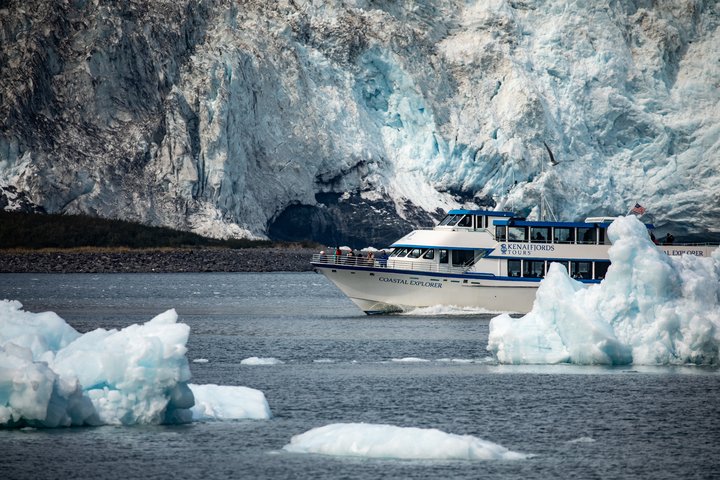
Use tripods with gimbal heads and burst mode to compensate for constant motion and capture sharp images of active wildlife.
Mastering Wildlife Photography in Alaska’s Marine Wilderness

Exploring Seldovia Bay Tour
Ages 5+ • 7-8 Hours • Up to 6 people
Discover the untouched beauty of Seldovia Bay on this private boat tour from Homer, Alaska. Experience stunning scenery, local wildlife, and fascinating history in a personalized adventure you'll never forget.
Alaska’s coastal waters pulse with life—walruses haul out on pebbled beaches, sea otters drift on their backs, and humpbacks breach with sudden force that shakes the horizon. The marine environment here doesn’t just sit still for a snapshot; it moves, breathes, and dares you to capture fleeting moments.
For photographers seeking to seize Alaska’s marine wildlife, preparation is key. First, understand the ecosystem’s rhythms: tides charge through narrow passages, carrying schools of fish that attract orcas slicing through the waves. Gear up for damp, cold conditions, because the marine edges are rarely still or warm. Waterproof camera gear and layered clothing protect you against cold spray from the ocean’s fingers.
Think about timing: early mornings bring calm seas and soft light that paints whales’ backs and otters’ whiskers in detail. Late afternoons cast a golden glow but invite windier conditions. Plan your shoots around the tides; low tide reveals mudflats and rocky outcrops where birds and intertidal creatures gather, creating rich foregrounds.
Composition needs flexibility here. Marine wildlife rarely poses for your lens, so quick reflexes and long lenses are your allies. A 300mm telephoto is essential to keep distance respectful and images sharp. Consider a sturdy tripod with a gimbal head to track sudden animal movements, especially whales surfacing or seals diving.
Boat trips provide unparalleled vantage points but call for steady hands and stabilization techniques. The ocean’s push can disrupt framing, so practice burst shooting to capture peak action. Onshore spots like rocky promontories offer stable ground but may require hiking moderate distances over uneven terrain—expect 2-4 miles round-trip with elevation gain around 500 feet.
Respect is non-negotiable. Wildlife is fiercely itself—curious, cautious, wild. Maintain distance to avoid disrupting behaviors and use binoculars before committing to shots. The clarity of Alaska’s air and water ensures crisp images if you stay patient.
Lastly, be ready to embrace unpredictability. A pod of orcas may erupt from calm water in a sudden burst, or a bald eagle might drop from an alder branch into a sun-dappled pool. Your gear, timing, and mindset combined will ready you to meet Alaska’s marine wilderness face to face—in sharp focus.
Remember, every shot is a dialogue with nature, fleeting but powerful. Prepare well, stay alert, and Alaska will deliver stories through your lens like nowhere else.
Nearby Trips
All Adventures
Boat Charters
Water Activities
Adventures near Seward
Discover the unique and memorable adventures that make Seward special.
Frequently Asked Questions
What’s the best way to approach marine wildlife without disturbing them?
Always maintain a safe distance, use zoom lenses instead of moving closer, avoid sudden movements and loud noises, and respect wildlife regulations in the area.
Are boat tours necessary for the best marine wildlife shots?
While boat tours offer unique angles and closer proximity to whales and seals, many accessible coastal viewpoints allow excellent photography from land, especially for birds and intertidal creatures.
How do I protect my camera gear from the harsh marine environment?
Use waterproof housings or rain covers, seal all openings, clean lenses regularly to avoid salt deposits, and dry gear thoroughly after exposure to moisture.
When is the best time of day to photograph marine wildlife in Alaska?
Early morning offers calmer seas and soft, directional light, while late afternoon provides warm glow but potentially stronger winds—adjust your plans based on weather forecasts.
What wildlife species should I be on the lookout for in marine Alaska?
Expect humpback and orca whales, sea otters, harbor seals, bald eagles, puffins, and occasionally sea lions. Each species has distinct behaviors affecting your shooting strategy.
Are there any safety concerns specific to marine wildlife photography here?
Yes. Watch for slippery rocks, unpredictable tides, cold water temperatures, and maintain safe distances to avoid startling animals and putting yourself at risk.
Recommended Gear
300mm or Longer Telephoto Lens
Vital for capturing close wildlife shots without intruding on animal space.
Waterproof Camera Housing or Rain Cover
Protects equipment from ocean spray and sudden rain common in coastal Alaska.
Layered Clothing with Waterproof Outer Shell
Keeps you comfortable against cold wind and moisture along the shore.
Sturdy Tripod with Gimbal Head
Stabilizes shots on uneven ground or rocking boats to track fast-moving animals.
Local Insights
Hidden Gems
- "Caines Head Trail overlooks quiet bays teeming with sea otters"
- "Fidalgo Bay offers secluded spots for photographing bald eagles in flight"
- "The Isthmus Trail provides varied terrain with opportunity to catch seals in tidal pools"
Wildlife
- "Transient orca pods frequent Kenai Fjords area in summer"
- "Harbor seals haul out on rocky beaches near Lowell Point"
- "Moon jellyfish bloom in calm coves during late summer"
History
"The region around Seward is rich with indigenous heritage and was a critical hub for the Alaska Railroad, facilitating early exploration of coastal ecosystems."