
Guiding Young Explorers Through Ranch Encounters on California’s Central Coast
Discover how to prepare young children for the hands-on, natural adventure of visiting a working ranch on California's Central Coast. This guide balances excitement with practical tips to make the experience safe, educational, and unforgettable.
Choose Closed-Toe Shoes
Wear sturdy shoes or boots to handle uneven terrain, avoiding sandals or open footwear to protect against rocks and brush.
Bring Plenty of Water
Children dehydrate faster; carry at least half a liter per child for every two hours spent on ranch trails.
Plan for Shade Breaks
Schedule frequent pauses under trees or near barns to rest, hydrate, and observe animals calmly.
Keep a Calm, Quiet Pace
Teach kids to speak softly and move gently to avoid startling livestock and maintain safety.
Guiding Young Explorers Through Ranch Encounters on California’s Central Coast

Ranch Tour
50 Minutes • Fun for All Ages!
Discover the charm of California ranch life with a personalized guided tour at Zaca Creek Ranch. Perfect for nature lovers and curious explorers alike, this experience offers unique insights into ranching and stunning rural landscapes.
Exploring a working ranch on California's Central Coast offers a unique blend of open skies, curious animals, and grounded learning opportunities for young children. Before stepping onto dusty trails where cows chew thoughtfully and wranglers move with quiet confidence, preparation is key to turning this adventure into a smooth, memorable experience.
Start with setting expectations in simple terms. Ranches are working environments, alive with purposeful movement and sounds—the creak of gates, the occasional lowing of cattle, and boots stirring dust. Explain to children that these animals are not pets but creatures that demand respect and calm. This clarity prevents surprise or fear and invites them to engage eagerly but cautiously.
Footwear matters. Ranch paths on the Central Coast can stretch across grassy paddocks, uneven dirt roads, and occasionally rocky gullies with elevation changes around 200 to 400 feet across a typical 2-3 mile loop. Sturdy, closed-toe shoes with good grip will keep young feet stable on shifting ground. Sandals or sneakers may leave both parents and kids wincing after a slip or prickly brush encounter.
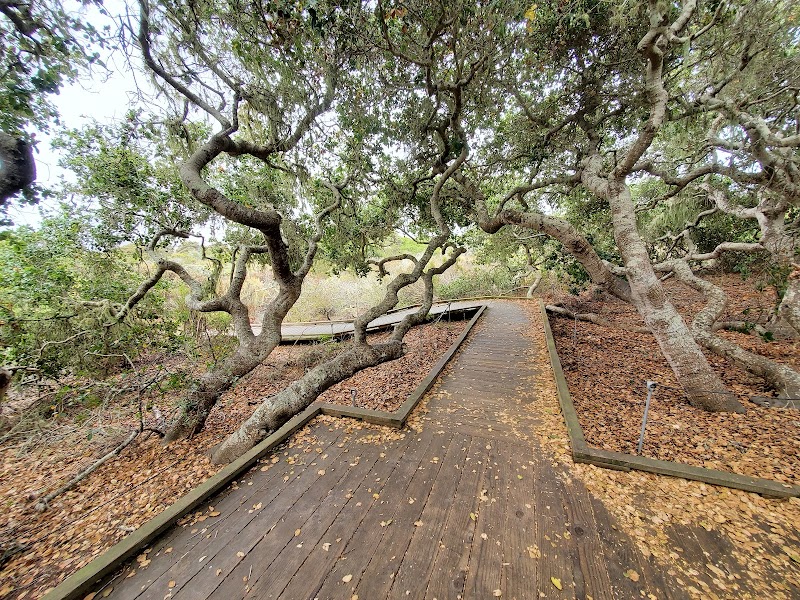
Hydration is non-negotiable. The inland Central Coast sun warms quickly, and even in spring, the dry air conspires with energetic legs to accelerate thirst. Equip yourself with water bottles or hydration packs sized for children; a good rule is at least half a liter per two hours of activity. Frequent breaks in shaded spots—often provided by large oak trees or wind-bent sycamores—offer chances to drink, breathe, and observe.
Timing your ranch visit can shape the whole day. Early mornings bring cooler air and active animals, from frolicking calves to horses stretching in the barn. Midday tends to slow the pace—heat encourages quiet moments, perfect for spotting hawks circling overhead or listening to the wind teasing the tall grasses. Late afternoons cast lengthening shadows and often showcase the ranch bathed in warm gold, magical for photos but slightly challenging for child visibility as light diminishes.
Teach children to watch but never chase. Ranch animals might seem curious but will quickly turn wary if pursued. Encourage gentle observation and whisper-like voices. Pointing out tracks in mud or hoof prints on dusty trails turns simple moments into learning highlights.
Pack snacks easy to carry and eat without creating litter—think small wraps or fruit slices. The ranch environment rarely offers convenient spots for a picnic, so preparing ahead keeps everyone fueled and content. Carry a small first aid kit with basics: antiseptic wipes, a bandage, and tweezers for any scrapes or ticks; ranch terrain can surprise with its brush and bugs.
Finally, involve children in the preparation. Map out the visit details with them: distances, animal names, and safety rules. Place responsibility for a small piece of gear, like carrying their own water bottle or hat, fostering confidence and involvement.
Encountering a Central Coast ranch with young children is an invitation to balance intent and excitement—embracing nature and work, discovery and safety. Respect the land’s rhythm as it pulses around you, and each step becomes part of a quiet, respectful adventure.
Nearby Trips
All Adventures
Boat Charters
Water Activities
Adventures near San Luis Obispo
Discover the unique and memorable adventures that make San Luis Obispo special.
Frequently Asked Questions
What age ranges are best suited for ranch encounters?
Children aged 4 and up typically do well, as they can follow safety instructions and remain calm around animals. Younger children may enjoy but require closer supervision.
Are children allowed to feed or touch the animals?
Most ranches restrict feeding to protect animal diets and discourage touching unless supervised. It’s best to encourage observation and gentle interaction led by ranch staff.
What safety considerations should be kept in mind?
Stay on designated paths, keep noise low to avoid startling animals, and watch for uneven terrain or hidden holes. Teach children to observe from a distance and avoid sudden movements.
Is the terrain stroller-friendly?
Ranch trails vary; many include rough or uneven surfaces and gentle hills, making strollers difficult. A hiking carrier or backpack is recommended for younger children.
Are there restroom or picnic facilities onsite?
Facilities vary by ranch; some have basic restrooms near the entrance but limited picnic spots. Plan to bring snacks and anticipate minimal infrastructure.
What wildlife might we spot besides the ranch animals?
Expect to see hawks circling overhead, western scrub-jays flitting through oak trees, and sometimes deer along quieter edges of the property.
Recommended Gear
Sturdy Hiking Shoes
Support and protection over uneven ranch terrain, critical year-round.
Wide-Brimmed Hat
Shields skin and eyes from intense Central Coast sun during warmer months.
Reusable Water Bottle
Keeps children hydrated; refillable bottles help reduce waste.
Lightweight Rain Jacket
Necessary for wet, cool winter visits to stay dry and comfortable.
Local Insights
Hidden Gems
- "Craggy Hill viewpoint overlooking rolling pastures at sunset"
- "Small creek crossings where native frogs might be found"
Wildlife
- "California quail darting through brush"
- "Horses expressing quiet curiosity"
- "Red-tailed hawks hunting thermals"
History
"Many Central Coast ranches descend from 19th-century Spanish land grants, maintaining a living connection to California’s ranching heritage."