
Timing Your Journey Through San Francisco’s Dynamic Neighborhoods
San Francisco’s neighborhoods pulse with unique rhythms that shift through the day and year. Understanding when to visit each area unlocks the best experiences—from morning calm in North Beach to evening vibrancy in the Mission District. This guide offers practical timing advice to navigate the city’s lively urban adventure.
Start Early to Beat the Crowds
Mornings offer quieter streets and cooler temperatures, especially in busy neighborhoods like North Beach and Chinatown.
Wear Versatile Footwear
Expect a mix of cobblestones, steep hills, and occasional slick sidewalks; shoes should provide both grip and comfort.
Hydrate and Layer Up
San Francisco’s microclimates can surprise with fog and wind; carry water and dress in layers to adapt comfortably.
Plan Around Meal Times
To avoid peak restaurant crowds, explore vibrant neighborhoods like the Mission District mid-afternoon rather than at dinner rush.
Timing Your Journey Through San Francisco’s Dynamic Neighborhoods
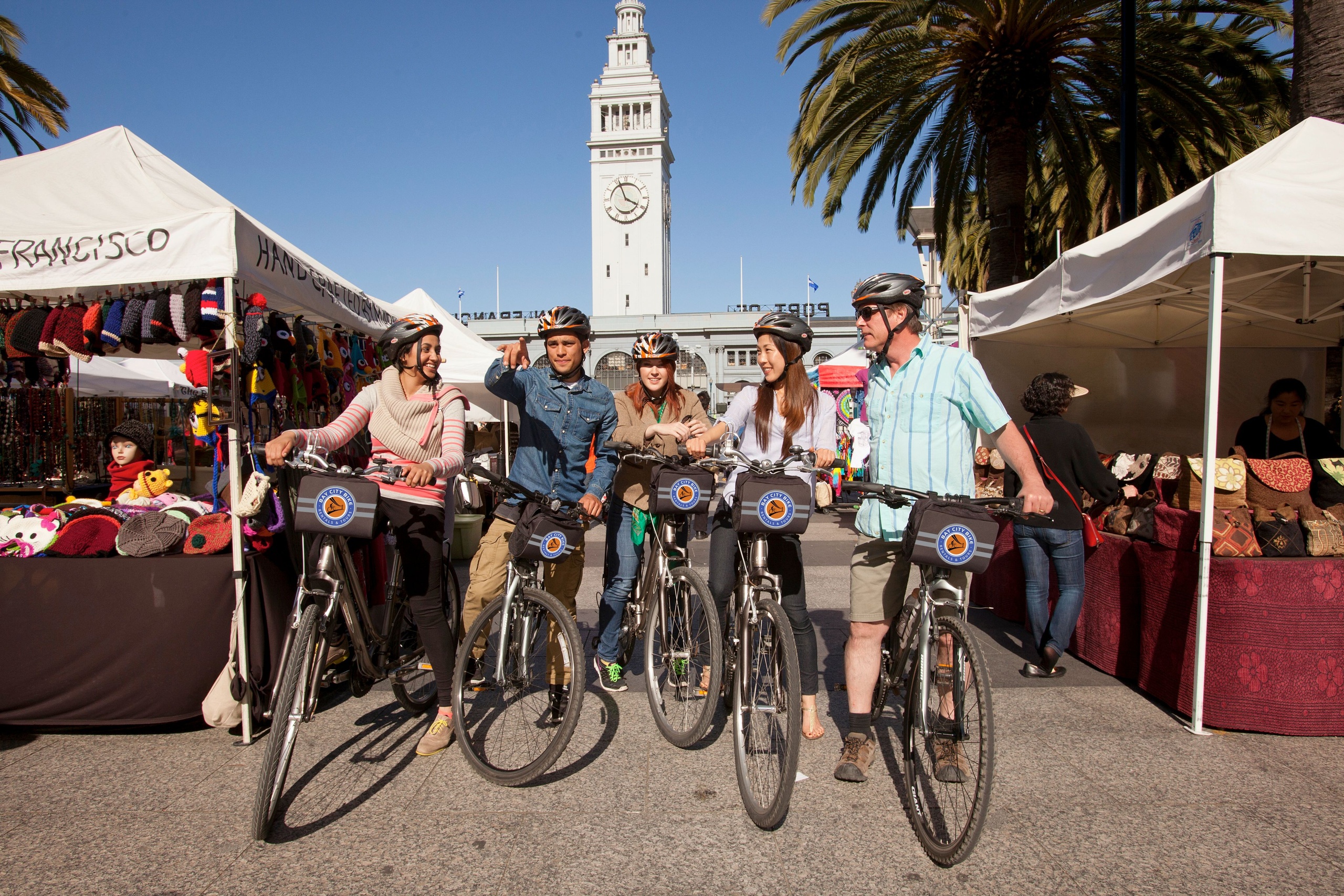
Streets of San Francisco Tour
3 to 4 Hours - Ages 13 & up - Add your bike to the cart to see your discount
Discover San Francisco's most iconic sights on a private bike tour that combines scenic routes with rich history. Perfect for travelers looking for a personalized outdoor experience in the city by the bay.
San Francisco’s neighborhoods wake and breathe with distinct rhythms—each pulse influenced by time of day, week, and season. To truly experience their vibrancy, understanding timing considerations is key. From the early-morning quiet of Chinatown’s alleyways to the evening buzz of the Mission District’s murals and taquerias, when you arrive shapes what you see, hear, and feel.
Start your exploration with the morning light in North Beach. Here, coffee shops ignite with aroma and locals drift through streets softened by sunrise. The area’s grid feels manageable then, without the midday surge. Walking the 2 miles of this historic neighborhood offers low elevation shifts and mostly flat terrain, perfect for a casual stroll while soaking in Italian heritage spots without crowds pressing in.
By mid-afternoon, the Mission District comes alive. Colors on the walls challenge the sun itself, while food carts daringly call for attention. This neighborhood invites longer exploration—about 3 miles on foot with gentle ascents near Dolores Park. Timing your visit between 2-5 PM captures its full energy while avoiding the peak dinner rush that crowds the popular eateries.
Sunset casts a golden glow on the piers at Fisherman’s Wharf, but it’s also when this tourist density peaks. Plan shorter stops here, focusing on iconic views like the Bay and Alcatraz, before retreating to quieter spaces like the Marina, where the Pacific Ocean’s currents push a cooling breeze.
Timing seasonal visits matters too. Spring (March-May) softens the cityscape with milder temperatures and fewer foggy moments—ideal for traversing the hills on foot or bike with a 300-foot elevation gain around Twin Peaks. Summer amplifies fog’s presence in the morning, retreating by afternoon, setting a cooler tone that calls for layers. Autumn is a steady companion of warmth and clarity, making evening walks in Hayes Valley vibrant with local activity.
Practical advice: start days early to harness cooler temps and quieter streets. Hydrate regularly—San Francisco’s microclimates can deceive with shifting humidity. Footwear should be durable but flexible to handle uneven cobblestones, steep street grades, and occasionally slick sidewalks. Expect to adjust your plans dynamically as neighborhoods exhibit personalities that change with the light and season. Respect the city’s pace—it’s a force that’s fiercely itself, inviting connection rather than conquest.
Ultimately, your timing harmonizes with San Francisco’s unique tempo, revealing layers of culture, nature, and adventure through each neighborhood’s clock. Planning your visits with these rhythms in mind deepens the experience and steadies your steps on this urban adventure.
Nearby Trips
All Adventures
Boat Charters
Water Activities
Adventures near San Francisco
Discover the unique and memorable adventures that make San Francisco special.
Frequently Asked Questions
What is the best time of day to visit Chinatown?
Early mornings offer a quieter experience with local markets and bakeries opening, avoiding midday tourist crowds.
How hilly are the neighborhoods for walking?
Expect moderate hills, especially in areas like Russian Hill and Telegraph Hill, with elevation gains up to 300 feet in some parts.
Are there quieter neighborhoods for a relaxed visit?
Yes, neighborhoods such as the Marina and Noe Valley tend to be calmer during weekends and evenings.
What local wildlife might I notice in urban parks?
Look for hawks circling Dolores Park, raccoons at dusk, and seasonal migratory birds near coastal neighborhoods.
When is the best season for street festivals?
Late spring through early fall hosts the majority of cultural and food festivals, with summer being especially lively.
How can I prepare for microclimate changes during the day?
Layer your clothing and check local weather apps frequently; mornings may start foggy and cool, clearing by afternoon.
Recommended Gear
Comfortable Walking Shoes
Provides grip and support for diverse urban terrain including hills, cobblestones, and sidewalks.
Layered Clothing
Adjusts for microclimates, especially foggy mornings and cool evenings.
Reusable Water Bottle
Keeps you hydrated as San Francisco’s dry and windy conditions can be deceptive.
Portable Phone Charger
Ensures your device stays powered for maps, photos, and urban discovery apps.
Local Insights
Hidden Gems
- "Grandview Park for a 360-degree city and ocean panorama"
- "The Wave Organ, an acoustic sculpture that interacts with tides"
- "Balmy Alley’s street art offers evolving storytelling in the Mission"
Wildlife
- "Red-tailed hawks nesting in urban trees"
- "Harbor seals spotted near Marina Green"
- "Seasonal monarch butterfly migrations in Golden Gate Park"
History
"San Francisco’s neighborhoods each hold distinct immigrant histories—from Italian in North Beach to Latino influences in the Mission—shaping a diverse cultural fabric."