
Essential Photography Safety Tips For Class I & II Rapids On The James River
The James River’s Class I and II rapids provide thrilling photographic opportunities framed by Virginia’s lush landscapes and gentle yet relentless currents. This guide offers practical tips to help photographers balance adventure with safety for unforgettable images.
Wear Grippy Footwear
Use waterproof hiking shoes or river sandals with good traction to prevent slips on wet rocks and gravel.
Check River Conditions Beforehand
Consult the USGS river gauge to ensure water levels are safe for shooting near rapids, especially after rainfall.
Use a Secure Camera Strap
Keep your camera tethered to prevent accidental drops into fast-moving water while allowing for quick movement.
Stay Hydrated and Energized
Bring water and snacks to maintain alertness during hikes to and from photo sites with minor elevation gains.
Essential Photography Safety Tips For Class I & II Rapids On The James River

Day Paddle: 9 Mile James River Kayak or Canoe Trip - Horseshoe Bend to Buchanan
Great full day trip takes about 3.5 to 5 hours, with fun class I & II rapids, ages 6 and up.
Discover the scenic beauty of Virginia's James River on a 9-mile kayak or canoe trip from Horseshoe Bend to Buchanan. Perfect for adventure seekers, this guided paddle offers stunning views and wildlife encounters. Read on to learn more about this must-do outdoor experience!
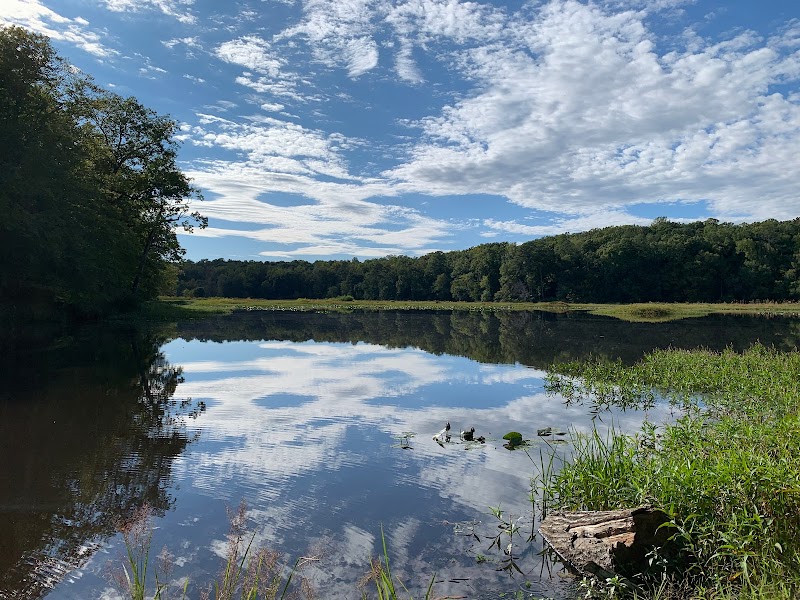
The James River winds through Virginia with a restless energy, at times gentle, at others daring enough to push even the most skilled anglers and paddlers. For photographers aiming to capture the scenic Class I and II rapids, this river offers a vibrant canvas of churning water, mossy boulders, and sun-dappled forests humming with life. But the same currents that create captivating scenes don’t forgive inattention. To get the shot without risking safety, you need a strategy that balances curiosity with caution.
Start by scouting from stable riverbanks or low cliffs. These vantage points provide a safer, often panoramic perspective without stepping into risky waters. Some spots along the lower James near Lynchburg or Richmond offer easy access combined with clear views of moderate rapids, where the river dares you to come closer but keeps its edge.
Footwear is key. Expect slippery rocks and shifting gravel—a sturdy pair of waterproof hiking shoes or river sandals with strong grip will anchor you better than boots alone. Avoid cotton socks; synthetic wicking materials reduce the chill from dampness and keep your feet secure.
Timing your shoot amplifies safety and the shot’s impact. Early morning often offers calm light with fewer crowds, and the river’s flow tends to be steadier. Avoid days right after heavy rains—swollen currents push beyond moderate limits and can sweep away gear or worse. Check the USGS river gauge for up-to-the-minute flow data.
Bring a compact tripod or a secure camera strap system to stabilize your camera without tethering yourself dangerously close to the water’s edge. A waterproof camera bag is non-negotiable; the James river spray is relentless near rapids, eager to test your gear’s resilience.
Hydration and energy matter as much as gear. Carry water and light snacks so you can stay focused. The forest paths leading to popular sections like Belle Isle or Pony Pasture Range typically span 1-3 miles round-trip with mild elevation changes—enough to get your heart pumping without exhausting your concentration.
Respect the river’s fierce character. The James River doesn’t wait or negotiate. Its Class I & II rapids may seem forgiving but remain a force of nature, pushing at your resolve and testing your awareness. With proper preparation, you can capture stunning images that tell the story of a river both wild and inviting. Step carefully, keep your eyes sharp, and let the rhythm of the rapids guide your lens.
Nearby Trips
All Adventures
Boat Charters
Water Activities
Adventures near Richmond
Discover the unique and memorable adventures that make Richmond special.
Frequently Asked Questions
What’s the safest way to access spots near Class I & II rapids?
Stick to established trails and riverbanks known for steady footing. Avoid stepping on algae-covered rocks or unstable gravel near rapid currents.
Are drones allowed for photography over the James River rapids?
Drone use is restricted in certain park-managed areas along the James. Always check local regulations and respect wildlife habitats.
What time of day offers the best light for rapid photography?
Early morning and late afternoon provide the softest, directional light that enhances water textures without harsh glare.
Can beginners safely photograph the rapids here?
Yes, the Class I & II rapids are generally safe for beginners when following river safety advice and staying clear of swift currents.
Which locations along the James River are recommended for capturing rapids?
Belle Isle, Pony Pasture Range, and near the outskirts of Richmond are popular due to their accessible viewpoints and manageable water flow.
What wildlife might I encounter while shooting near the rapids?
Look for kingfishers darting over water, great blue herons standing patiently on rocks, and occasional river otters playing along the banks.
Recommended Gear
Waterproof Hiking Shoes
Grip and foot protection are crucial for uneven, slippery terrain along the river edge.
Waterproof Camera Bag
Protects gear from spray, rain, and accidental splashes near rapids.
Compact Tripod
Provides camera stability for sharp images while keeping movements controlled near water.
Hydration Pack
Keeps hands free while ensuring you have water for hikes during warmer periods.
Local Insights
Hidden Gems
- "Devil’s Backbone Rapids viewpoint near Richmond offers a quieter outlook for photography without the usual crowds."
- "The small sandy beach at Pony Pasture reveals colorful river stones often overlooked."
Wildlife
- "Eastern river otters"
- "Great blue herons"
- "Belted kingfishers"
- "Water snakes"
History
"The James River served as a key transportation and commerce route during colonial times. Many of the rapids witnessed the passage of barges and steamboats, echoes visible in nearby historic towns."