Navigating James River: Family-Friendly Kayaking Tips for Young Adventurers
Experience the James River through family-friendly kayaking adventures designed for young paddlers. This guide combines safety tips and practical advice to ensure your water journey near Richmond is exciting, manageable, and memorable for everyone.
Choose Calm Sections
Select river segments with gentle currents and minimal obstacles to match young kids’ skill levels, ideally between 3-5 miles.
Use Proper Life Jackets
Ensure every child wears a snug, Coast Guard-approved life jacket to maximize safety on the water.
Timing is Key
Plan paddles for mid-morning or late afternoon to avoid midday heat and reduce sun exposure for children.
Pack Waterproof Essentials
Use waterproof bags for snacks, electronics, and spare clothes to keep everything dry and accessible during the trip.
Navigating James River: Family-Friendly Kayaking Tips for Young Adventurers

Day Paddle: 9 Mile James River Kayak or Canoe Trip - Horseshoe Bend to Buchanan
Great full day trip takes about 3.5 to 5 hours, with fun class I & II rapids, ages 6 and up.
Discover the scenic beauty of Virginia's James River on a 9-mile kayak or canoe trip from Horseshoe Bend to Buchanan. Perfect for adventure seekers, this guided paddle offers stunning views and wildlife encounters. Read on to learn more about this must-do outdoor experience!
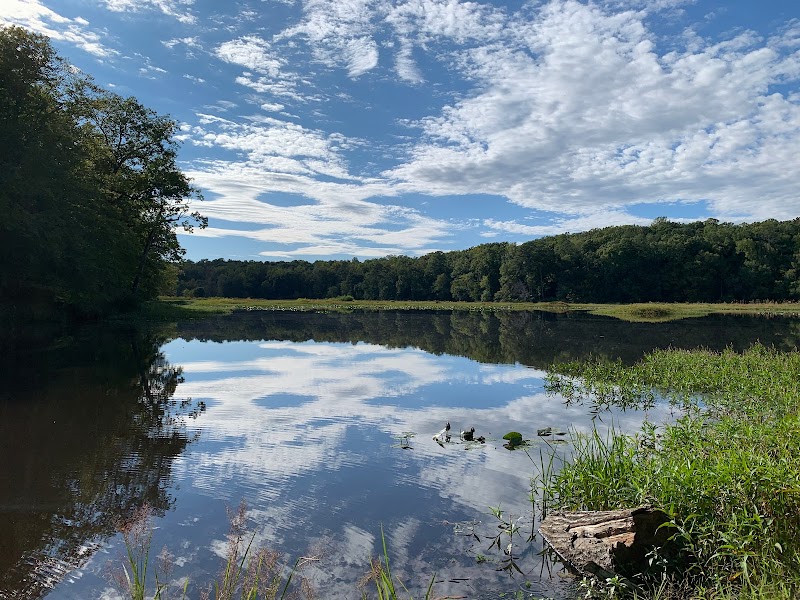
The James River flows with a steady purpose, its currents playful yet firm, inviting families to take part in its watery journey. Kayaking here with young children requires balancing adventure with caution, transforming the river's natural pull into a shared experience that’s as safe as it is exhilarating. The river’s stretches near Richmond, Virginia, offer calm waters punctuated by gentle ripples—perfect terrain for introducing little paddlers to the basics without overwhelming them.
Start by choosing short segments between established put-in and take-out points, ideally covering no more than 3 to 5 miles for a half-day trip. These sections favor slower currents and minimal obstacles, giving children time to acclimate to the rhythm of paddling without frustration. Along the banks, forested edges lean close; their limbs dipping into the water create pockets of shade that playfully flicker patterns onto the river’s surface, breaking the sun’s harshness.
Timing is critical. Mid-morning or late afternoon paddles avoid the high heat and fatigue that midday sun brings. Pack plenty of water and snacks, stowed in waterproof containers to stay dry and accessible. Life jackets are non-negotiable; make sure they fit snugly and are Coast Guard-approved for your child’s size. Before launch, gather the family for a simple safety briefing: how to hold a paddle, stay seated, and what to do if a splash sneaks over the side.
Plan for easy access put-ins like Pony Pasture Rapids or Great Shiplock Park, where river access is flat and launching is straightforward. These sites provide wide, calm launch zones that reduce stress for both paddler and parent. Keep the mood light and expect interruptions—turtles sunning on logs or herons standing sentinel in the shallows call for exploratory stops that enrich the journey.
Speaking of wildlife, the James doesn’t just run; it watches. Foxes occasionally slip between trees along the shore while kingfishers dart overhead, their sharp calls punctuating the quiet. Encourage children to spot these indicators of a healthy ecosystem—it adds an educational layer and sharpens observation skills.
Footwear matters on and off the water. Choose closed-toe water shoes that protect from rocks and sun-exposed surfaces alike, as children will hop in and out along the shore. Dress in quick-dry layers for unpredictability in weather and temperature, and bring a wide-brimmed hat for sun protection.
The river is not a tame beast but one fiercely itself, requiring respect and attentiveness. Keep the pace gentle, let children set the rhythm within safe boundaries, and be prepared to assist with short carries around any unexpected swift sections or shallow rocks. This adaptive approach makes the river a thrilling classroom where family bonds grow alongside paddling skills.
Before you set out, check river levels and weather reports. Spring runoff and heavy rains can quickly change conditions, turning easy sections into challenging stretches. With preparation and patience, your James River family kayak trip transforms into an accessible adventure that plants a love for the outdoors early—offering young explorers a firsthand taste of a river that dares you to engage, learn, and move forward.
Nearby Trips
All Adventures
Boat Charters
Water Activities
Adventures near Richmond
Discover the unique and memorable adventures that make Richmond special.
Frequently Asked Questions
What is the safest river section for families with young children?
The stretch from Pony Pasture Rapids to Great Shiplock Park is ideal for families. It features relatively calm water with easy access points and places to rest or explore safely along the shoreline.
Are there guided kayaking tours suitable for families on the James River?
Yes, several local outfitters near Richmond offer guided family-friendly tours that include all equipment and safety instructions, allowing parents to focus on enjoying the experience with their kids.
How do I know if river conditions are safe for children on the day of our trip?
Check the U.S. Geological Survey’s real-time water data for the James River and weather forecasts to ensure water levels are low to moderate and that there is no impending storm or heavy rain expected.
What wildlife might we encounter on a family kayaking trip here?
Look for turtles basking on logs, great blue herons, kingfishers, and occasionally, river otters. Keep a respectful distance to avoid disturbing their natural behaviors.
Can toddlers safely join kayaking trips on the James River?
Toddlers can participate if securely seated in tandem kayaks designed for children or in specialized child carriers on adult kayaks. Always ensure they wear an approved life jacket and that the trip is very short and gentle.
What should I do if a child gets cold or tired on the water?
Plan frequent stops along gentle banks or shaded areas to rest and hydrate. If a child becomes too cold or fatigued, it’s best to end the trip early rather than pushing through.
Recommended Gear
Coast Guard-approved Life Jacket
Critical for safety, especially for young children, ensures buoyancy and visibility on the water.
Closed-toe Water Shoes
Protect feet on rocky or slippery launch points and riverbanks.
Waterproof Dry Bags
Keeps snacks, clothes, and electronics dry and handy during the trip.
Wide-brim Sun Hat
Provides extra sun protection during hotter months for sensitive skin, particularly important for kids.
Local Insights
Hidden Gems
- "The secluded Slaughter Creek area offers quiet coves for safe exploration and picnicking off the main river channel."
- "Look for the small ruins of the Wilton Plantation visible from certain river bends, a quiet reminder of the area's layered history."
Wildlife
- "River otters play near rocky shores in the early morning."
- "Bald eagles nest upriver; spotting one is a special treat."
- "Box turtles and frogs are common along shallow sheltered edges."
History
"The James River was a crucial waterway for native tribes and colonial settlers, playing a key role in trade and transportation. Sites like the Great Shiplock Park recall the river’s role in industry and development."