
Tracking Down Wilson Landing: Your Guide to a Smooth Start
Wilson Landing on the Buffalo National River offers a practical entrypoint to one of Arkansas’s most dynamic river systems. This guide provides clear directions and straightforward tips to help you locate the landing with ease and prepare for a smooth start to your river or hiking adventure.
Plan Your Arrival for Morning Calm
Launching early in the day helps avoid crowds and takes advantage of calmer water and cooler temperatures.
Use High Clearance Vehicles
The gravel road to Wilson Landing can get rough, especially after rain. Vehicles with a higher clearance ensure safer travel.
Check River Flow Conditions
Water levels change quickly; verifying flow rates ensures your planned route is safe and manageable.
Wear Sturdy Footwear
The mixed terrain near the landing includes mud, gravel, and roots, so solid trail boots or water shoes are recommended.
Tracking Down Wilson Landing: Your Guide to a Smooth Start

Snake River Scenic Float
May-Sep • 8am or 4pm • 3 Hours • All Ages • Up to 12 People
Discover the breathtaking beauty of Wyoming's Snake River on this scenic float trip, perfect for nature lovers and adventure seekers alike. Glide past towering cliffs, spot local wildlife, and enjoy a peaceful day on the water with expert guides leading the way.
Wilson Landing lies along the Buffalo National River in Arkansas, a practical gateway for adventurous souls ready to engage with shifting currents and forested banks. Locating this spot requires more than just a map; it calls for an understanding of the terrain and local markers that lead you from the busy hum of nearby towns to the river’s edge where the landing awaits.
The landing is accessible via a gravel road off Highway 14 near Ponca, Arkansas. From Ponca, take County Road 237 north for approximately 3.5 miles until the signage directs you to the landing area. The road can be rough in places, especially after rains, so a vehicle with good clearance is advisable. Ample parking is available, but space fills quickly on warmer weekends.
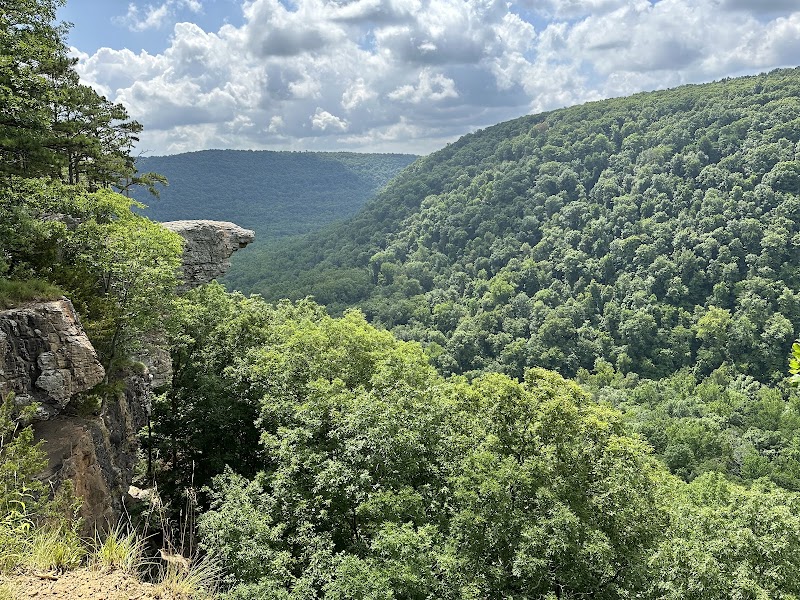
Arriving at Wilson Landing means stepping into a landscape dominated by the Buffalo River’s restless flow. The landing is a largely unpaved, open area where kayaks, canoes, and anglers gather—rivers daring you to join. The terrain around the landing is flat but soon rises sharply into hills combed thick with oak and hickory. This transition from water to wood invites exploration beyond your immediate arrival and sets the stage for longer ventures upriver.
For those planning a downstream float or hike, timing your arrival to coincide with daylight is crucial for safety and orientation. Early morning offers cooler conditions and quieter water, ideal for launching on your own terms without the disturbance of heavier late-day traffic. Hydration and strong footwear are practical musts—trail boots or sturdy water shoes handle the mix of gravel, mud, and occasional roots well.
Don’t overlook the basics: check river flow rates and weather forecasts before departure, as sudden storms can turn calm water into a challenge. Pack a dry bag with essentials, wear appropriate layers, and prepare for the uneven surfaces near the landing. This attention will ensure your arrival feels seamless, letting you focus on the river’s invitation instead of logistics.
In sum, Wilson Landing is a rugged threshold where the Buffalo River pushes forward, beckoning a respectful engagement. Locating it is straightforward with local roads and signage, but preparing for the environmental rhythm—the interplay of terrain, water, and weather—makes the experience not just accessible, but genuinely rewarding.
Nearby Trips
All Adventures
Boat Charters
Water Activities
Adventures near Ponca
Discover the unique and memorable adventures that make Ponca special.
Frequently Asked Questions
How do I get to Wilson Landing from the closest city?
From Ponca, Arkansas, drive north on County Road 237 for about 3.5 miles off Highway 14. The gravel road leads directly to Wilson Landing, marked by river access signs. Ensure your vehicle can handle rough patches.
Is Wilson Landing suitable for beginners in canoeing?
Yes. The landing provides good access to sections of the Buffalo River that are appropriate for beginners, but always check flow conditions and consider a guided trip if unfamiliar with river safety.
Are there restroom facilities at Wilson Landing?
There are no permanent restroom facilities at the landing, so plan accordingly by using facilities in Ponca before heading out.
What wildlife might I encounter near Wilson Landing?
Expect to see white-tailed deer, river otters, and a variety of waterfowl. Early mornings are best for wildlife spotting when animals venture near the river’s edge.
Can I camp at Wilson Landing?
Camping is not allowed directly at the landing, but several nearby campgrounds along the Buffalo National River provide well-maintained sites within short driving distance.
What precautions should I take when hiking near the landing?
Watch for uneven, slippery surfaces and sudden drop-offs near the water. Use trekking poles if needed, and remain alert for changing weather that can affect trail safety.
Recommended Gear
Sturdy Trail Boots
Provides grip and ankle support on mixed terrain around the landing.
Dry Bag
Protects valuables and keeps gear dry during river excursions.
Hydration System
Staying hydrated is critical, especially in warm weather when exertion and heat increase fluid loss.
Layered Clothing
Adjustable layers keep you comfortable amid shifting weather conditions near the river.
Local Insights
Hidden Gems
- "Hilltop views northeast of the landing offer sweeping panoramas of the Buffalo River valley often missed by casual visitors."
- "An old homestead foundation a half-mile east gives a glimpse into early settler life in the Ozarks."
Wildlife
- "River otters actively patrol the waters here, while kingfishers dart above, keeping pace with the current’s push."
History
"The landing site was a historical river access point for early settlers transporting goods, reflecting the Buffalo River's longstanding role as a lifeline through the Ozark Mountains."