
Flathead Lake offers breathtaking water-bound adventures even on chilly days, thanks to heated boats that make exploring the vast waters inviting and comfortable. Learn how to prepare practically to enjoy this serene Montana gem fully, blending warmth with wilderness immersion.
Layer Smart for Variable Temperatures
Bring moisture-wicking base layers topped with insulated, windproof outerwear to adapt quickly as temperatures change throughout the day.
Schedule Your Trip Around Daylight Hours
Plan outings to avoid the coldest early morning and late evening periods, maximizing time when the boat heater and daylight provide the most comfort.
Keep Hydrated with Warm Fluids
Carry an insulated bottle with warm beverages like herbal tea or broth to maintain hydration levels and body warmth.
Protect Electronics from Cold
Store cameras and phones in insulated, padded cases to prevent battery drain and moisture damage during the chillier sections of your trip.
Maximizing Comfort on Flathead Lake’s Heated Boat During Cool Days

Flathead Lake Boat-Fishing Charter - Full Day
Private Charter • 9 Hours • All Ages
Join Big Sky Fishing Charters for a full-day fishing adventure on Flathead Lake, where stunning scenery meets prime fishing opportunities. Perfect for anglers of all levels, this private tour offers an unforgettable outdoor experience in Montana's beautiful wilderness.
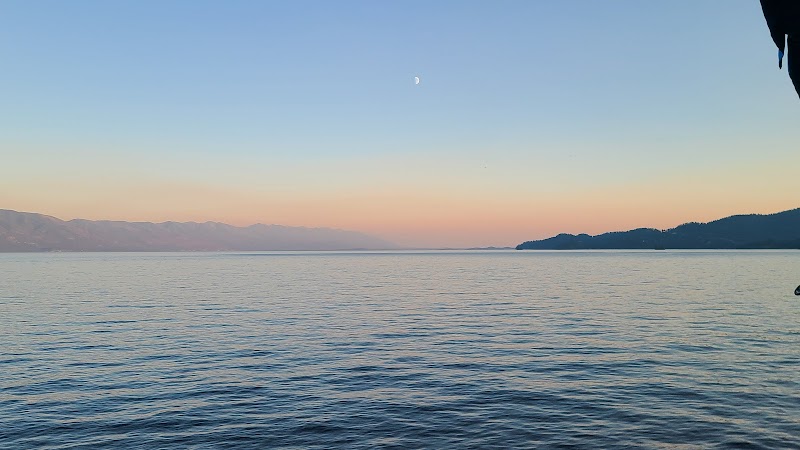
Flathead Lake’s vast surface stretches wide, its cool breeze carrying the sharp freshness of the northern Montana air. On cool days, the temperature can bite, but aboard a heated boat, comfort and adventure meet in perfect balance. The boat’s heating system hums quietly beneath your feet, pushing back the chill as the lake dares you to explore its arms.
To maximize comfort during these cooler outings, layering is your first defense. Technical fabrics that wick moisture keep your body dry, while insulated outer layers lock in warmth without bulk. Waterproof boots with solid grip prepare you for slippery docks or rocky shores that punctuate your stops.
Plan your trip timing to avoid the day’s coldest hours. Early mornings on Flathead often deliver mist hovering just above the water, a soft veil lifting as the sun stretches higher. By mid-morning, the boat’s heater combined with morning warmth creates a steady reprieve. Afternoon winds may build, so the boat’s heated cabin is your sanctuary when the lake pushes harder.
Hydration remains crucial even when cold compresses the air. The body’s metabolism speeds up fighting the cold, demanding steady fluids. Bring insulated bottles to maintain temperature, ensuring each sip revives instead of chills.
Onboard, make use of all heating zones—feet and seating areas often lose heat fastest. Bringing compact blankets adds a layer of customizable warmth. Keep electronics and cameras protected in dry, cushioned cases to prevent the cold from sapping battery life.
Take note of the lake’s mood. When the water is calm, the heating system can maintain a consistent cozy climate. When wind gusts surge across Flathead, the boat’s heater flexes its role, making the difference between a brisk journey and a biting experience.
Lastly, engage with the scenery fully, knowing you’re prepared. The distant outlines of the Mission and Swan ranges command your respect, their peaks dusted with early snow. The water occasionally surfaces a glinting fish or persistent loon, each moment framed by your secure, warmed vantage point. This temperature-controlled haven doesn't dull the adventure; it sharpens it, letting the lake reveal itself on your terms.
Nearby Trips
All Adventures
Boat Charters
Water Activities
Adventures near Polson
Discover the unique and memorable adventures that make Polson special.
Frequently Asked Questions
How does the boat’s heating system work on Flathead Lake?
The boat uses electric or diesel-powered heaters to circulate warm air primarily in the cabin and footwell areas, balancing interior temperature against cold lake air. Adjustments can be made to maintain comfort during shifting winds.
Are there any safety concerns with using a heated boat on cool days?
Ensure the heating system is regularly inspected for fuel leaks or electrical faults. Proper ventilation is vital to avoid buildup of harmful gases, especially when using fuel-powered heaters.
What wildlife might I see from the boat on cooler days?
Loon pairs, osprey, and occasional bald eagles patrol the lake year-round. Cooler days often spur more active fish, visible as flashes beneath the surface, and river otters may play near shorelines.
How do weather changes affect heated boat comfort on Flathead Lake?
Sudden wind gusts and drops in air temperature can make outdoor seating uncomfortable quickly. The heater compensates, but dressing with layers that resist wind is essential for outdoor exposure.
Are there hidden spots accessible only by boat on Flathead Lake worth visiting?
Yes. Islands like Wild Horse Island can be approached by boat and offer unique trails, while narrow bays provide quiet places to encounter nature away from populated docks.
What should I know about environmental conservation when boating here?
Flathead Lake’s water is exceptionally pure, so use eco-friendly and non-toxic products onboard. Avoid anchoring in sensitive spawning areas or disturbing shoreline vegetation to preserve habitat quality.
Recommended Gear
Moisture-Wicking Base Layers
Keep your skin dry and temperature regulated by wearing technical base layers that pull sweat away.
Insulated Waterproof Boots
Protect feet from damp docks and cold surfaces with boots offering grip and warmth.
Insulated Thermal Blanket
Extra warmth on board for increased comfort during windier or chillier moments.
Insulated Water Bottle
Maintain hydration with a bottle that keeps drinks warm in cold weather.
Local Insights
Hidden Gems
- "Wild Horse Island’s remote shoreline viewpoints"
- "Echo Bay’s protected coves ideal for bird watching"
Wildlife
- "Common loons"
- "Bald eagles"
- "River otters"
- "Trumpeter swans"
History
"The Flathead Lake region is historically tied to the Salish and Kootenai tribes, whose cultural heritage is reflected in place names and stewardship practices still honored today."