
Falconry in Florida's wild spaces offers an immersive outdoor experience rich with motion and life. This guide equips you with practical clothing advice designed to handle Florida's heat, humidity, and varied terrain so you can focus fully on your bond with your falcon and the environment around you.
Opt for Breathable, UV-Protective Fabrics
Choose lightweight, moisture-wicking clothing with UV protection to manage heat and sun exposure during long falconry hikes.
Wear Durable, Supportive Footwear
Select hiking boots with good ankle support and grip to navigate mixed terrains from muddy wetlands to sandy trails safely.
Layer for Sudden Weather Changes
Carry a light waterproof jacket to stay dry during unexpected afternoon showers typical of Florida’s subtropical climate.
Use Neutral Colors to Avoid Spooking Falcons
Dress in earth tones like greens, browns, and tans to blend with the environment and maintain calm around your bird.
Choosing the Right Clothing for Florida Falconry Adventures

Full Day Falconry Experience
Starting $350 | 4-6 Hours | Mornings
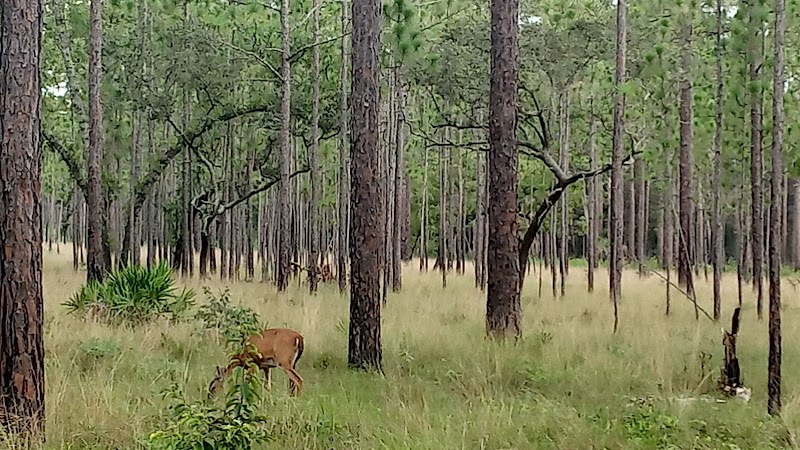
Spend a day learning the ancient art of hunting with trained hawks near Live Oak, Florida. Gain close wildlife encounters and stunning photo ops in natural pine flatwoods.
Falconry in Florida's wilderness beckons with a call both ancient and wild, but the subtropical environment demands clothing that stands up to the challenge. The outing typically involves traversing mixed terrains—a blend of pine flatwoods, scrub oaks, and remnant wetlands—where sun, humidity, and sudden weather shifts are constant companions. Expect hikes covering 3 to 6 miles, with gentle elevation changes rarely exceeding 150 feet, but don’t underestimate the persistent heat that saturates the forest canopy and grounds alike.
Selecting the right clothing begins with balancing breathability and protection. Lightweight, moisture-wicking fabrics keep sweat at bay, while long sleeves and pants shield from thorny plants and the occasional mosquito intent on a foothold. Neutral earth tones such as olive, tan, or brown help you blend into the environment, preventing sudden distractions to your falcon and the wildlife it hunts with.
Footwear is a critical piece—choose sturdy, closed-toe boots with good tread, ready for muddy stretches where the wetland stubbornly holds moisture, and sandy hollows that threaten to swallow a careless step. Falconry often means handling sharp talons and falconry equipment, so clothing with snug cuffs and minimal loose fabric ensures safer, more efficient movement.
Weather in Florida shifts like the current on a hidden river—sudden, swift, and powerful. Early mornings start cool but warm rapidly. Layering a light, breathable rain jacket is essential—the wilderness can surprise with thunderstorms pushing through the sky like a charging hawk. A broad-brimmed hat or cap not only wards off sunburn but also helps keep the sharply focused falconer alert and shaded.
Hydration equipment should be integrated into your gear—consider clothing with easy-access pockets or compatible hydration packs. The trail’s purpose is interaction with a bird fiercely itself, requiring calm focus and readiness for sudden bursts of movement; your clothing must serve that rhythm, not hinder it.
Finally, timing your falconry trip around cooler parts of the day—early dawn or late afternoon—maximizes your comfort and your falcon's activity periods. By preparing properly, you engage with Florida’s wilderness as a dynamic partner, respecting its fierce rhythms while embracing the thrill of one of outdoor adventure’s oldest partnerships.
Nearby Trips
All Adventures
Boat Charters
Water Activities
Adventures near Orlando
Discover the unique and memorable adventures that make Orlando special.
Frequently Asked Questions
What fabrics are best suited for falconry in Florida?
Choose fabrics that wick moisture and dry quickly, such as synthetic polyester blends. Avoid cotton as it retains sweat and slows drying, which can lead to discomfort and chafing.
How do I protect myself from insects while handling falcons?
Long sleeves and pants protect skin, complemented by insect repellent on exposed areas. Wearing permethrin-treated clothing can also reduce bites without disturbing the bird.
Is camouflage necessary for falconry clothing?
While full camouflage isn't required, dressing in earth tones like greens, browns, and tans helps you blend into the environment, which reduces distractions for your falcon and wildlife.
What footwear is recommended for walking in Florida's wilderness?
Sturdy hiking boots with waterproof features and strong ankle support are ideal. Trails can be muddy or sandy, so non-slip soles improve safety and comfort.
When is the best time of day for falconry outings in Florida?
Early mornings and late afternoons are cooler and more comfortable. Falcons are often more active during these times, enhancing your experience.
Do I need special gear for sudden weather changes?
Yes. Carry a lightweight waterproof jacket and quick-dry layers to adapt quickly when Florida’s thunderstorms rush in, ensuring you stay comfortable and focused.
Recommended Gear
Lightweight Moisture-Wicking Shirt
Keeps you dry and cool during long hikes and falconry handling.
Hiking Boots with Good Traction
Protects feet from wet, sandy, and uneven terrain common in Florida's wilderness.
Waterproof Rain Jacket
Quick shelter from Florida’s frequent afternoon showers without overheating.
Broad-Brimmed Hat
Protects from sun exposure while allowing airflow and maintaining visibility.
Local Insights
Hidden Gems
- "Lake Apopka Wildlife Drive for observing falcon hunting behaviors"
- "The secluded trails of Tosohatchee Wildlife Management Area for quiet falconry sessions"
Wildlife
- "Red-shouldered hawks often share hunting grounds and can be spotted near open wetlands"
- "Eastern box turtles move deliberately amidst forest floors, symbolizing the slow rhythms of the wilderness"
History
"Falconry in Florida carries deep roots tied to indigenous practices and early settlers who valued trained birds both for hunting and cultural significance."