Experience Florida’s wilderness from an uncommon vantage point—a camel safari that takes you through vibrant forests and wetlands teeming with wildlife. This guide prepares you with the practical details and adventure insights to navigate this unique journey safely and fully.
Wear Ground-Gripping Footwear
Choose hiking boots with sturdy soles to handle sandy paths, muddy patches, and uneven terrain typical of Florida’s wilderness trails.
Hydrate Early and Often
Florida’s humidity and heat can drain energy quickly; carry at least 2 liters of water plus electrolyte drinks to stay balanced and alert.
Time Your Safari to Cooler Hours
Start early morning or late afternoon to avoid the strongest sun and increase chances of wildlife sightings when animals are most active.
Use Insect Repellent
Mosquitoes and biting flies are common; apply a long-lasting repellent before and throughout your trek to minimize discomfort and disease risk.
Preparing for a Wildlife-Focused Camel Safari in Florida’s Wilderness

Camel Safari Tour
$265 • One and a half hour • Ages 3 and up • Giraffe feeding included!
Experience an unforgettable camel-back safari through Florida’s wilderness at Giraffe Ranch in Dade City. Ride through scenic terrains while encountering exotic wildlife in a setting that offers both education and adventure.
The idea of a camel safari conjures images of desert dunes and faraway lands. Yet, in the untamed wilderness of Florida, this unique adventure offers something different: a wildlife-focused journey atop a patient camel, threading through forested trails, open wetlands, and scrubby hammocks. This is not a race across vast sands, but a deliberate exploration of an environment fiercely itself—Florida’s wild heart.
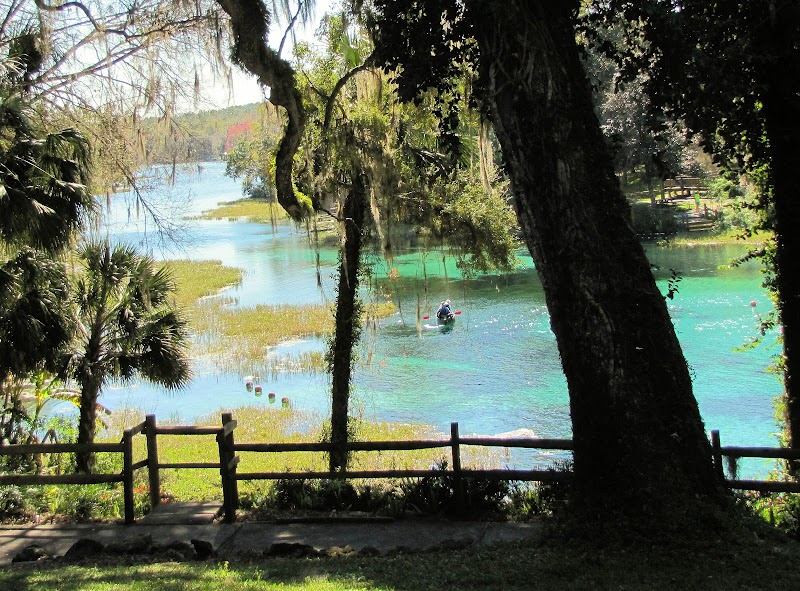
Your safari typically covers 5 to 8 miles over varied terrain including sandy trails, patches of pine flatwoods, and scattered hardwood clusters. Elevation changes are subtle—Florida’s terrain rarely climbs more than 50 feet—but the uneven ground demands steady footing. Camels, unlike typical horses, offer a calm vantage point, steady and deliberate, inviting you to observe the tiger swallowtails dancing and the river currents daring you to follow their restless flow.
Preparation is key. Start with footwear designed for uneven, potentially muddy terrain—lightweight hiking boots with strong traction work best. Hydration is critical due to Florida’s humidity and sun, so pack at least 2 liters of water and bring electrolyte replacements. Avoid midday heat: early morning or late afternoon rides provide cooler temperatures and active wildlife sightings. Lightweight, breathable clothing with sun protection will keep you comfortable.
On the camel, your perspective shifts. The canopy whispers above while the footsteps of nearby white-tailed deer rustle through dry leaves. Watch for bobcats slipping silently into cover or the sudden splash of an alligator retreating into a cypress swamp. The camel’s careful pace allows for quiet moments—enough time to notice the patterns of light and shadow, the scent of pine needles mingled with wet earth.
Be prepared for the challenge posed by Florida’s wilderness: mosquitoes and biting flies, variable weather, and the physical demands of staying balanced atop a slow-moving, towering creature. Respect the animals and environment you encounter—this safari is an engagement, not a conquest.
As you plan, coordinate with guides experienced in local wildlife and camel care. They bring not only knowledge of the landscape but an understanding of the native flora that paints the backdrop, from saw palmetto to blazing red coontie. Their guidance ensures an immersive, safe, and responsible adventure.
Ultimately, a camel safari here offers a rare blend: the novelty of riding a camel combined with the thrill of seeing Florida’s ecosystems not from a vehicle, but at walking pace, quietly, attentively. Pack well, stay vigilant, and prepare to experience a wilderness both calm and fiercely alive.
Nearby Trips
All Adventures
Boat Charters
Water Activities
Adventures near Ocala
Discover the unique and memorable adventures that make Ocala special.
Frequently Asked Questions
Are camels native to Florida’s wilderness?
No, camels are not native to Florida. They have been introduced purposefully for eco-tourism experiences like this safari, where their slow, stable gait offers a unique way to explore wildlife habitats.
What kind of wildlife am I likely to see?
Expect to encounter white-tailed deer, bobcats, various bird species including hawks and warblers, and aquatic creatures like alligators along waterways.
Is prior camel-riding experience required?
No prior experience is necessary. Guides provide instruction on mounting, dismounting, and riding techniques to ensure safety and comfort throughout the safari.
How do I prepare for the heat and humidity?
Wear breathable clothing, bring sufficient water, schedule rides during cooler hours, and apply sun protection consistently.
Can the safari be done year-round?
Yes, but late fall through winter offers the most comfortable conditions due to cooler temperatures and fewer insects.
Are there any environmental regulations to respect?
Yes, stick to marked trails, avoid disturbing wildlife, and follow your guide’s instructions to protect sensitive habitats.
Recommended Gear
Lightweight Hiking Boots
Sturdy enough for uneven terrain, yet breathable for Florida’s humid climate.
Reusable Water Bottle with Filter
Ensures you stay hydrated safely during long excursions.
Wide-Brimmed Hat
Protects against sun exposure during peak heat hours.
Insect Repellent
Keeps biting insects at bay, particularly in wetter months.
Local Insights
Hidden Gems
- "A rarely visited cypress dome along the eastern route offers tranquil reflections and solitude."
- "Small hammock clearings where wild orchids bloom unnoticed."
Wildlife
- "Look for secretive bobcats and shy river otters near freshwater springs."
- "Observe migratory songbirds that visit during transitional seasons."
History
"The area was once traversed by indigenous peoples who used the land’s natural paths and waterways; their legacy is marked by shell middens and tool remnants scattered beneath the forest floor."