
Mastering Seamless Gear Pick-Up for Your Kilimanjaro Adventure
Efficient gear pick-up near Mount Kilimanjaro is a vital first step toward conquering Africa’s tallest peak. This guide offers practical tips to navigate Moshi’s rental hubs, helping you secure durable, tailored gear that meets the mountain’s varied terrain and weather without last-minute stress.
Book Gear in Advance
Confirm your rental gear at least 24 hours before pick-up to ensure availability and correct sizing, especially during peak climbing seasons.
Arrive Early for Pick-Up
Schedule your gear collection in the morning to beat heat and crowds; noon humidity can make waiting uncomfortable.
Test Gear on Site
Try on boots with hiking socks and check hydration packs and rain gear for proper fit and function before leaving the shop.
Use Local Transport Options
Rely on trusted taxis or shuttle services in Moshi for safe and efficient transfers between your accommodation and gear shops.
Mastering Seamless Gear Pick-Up for Your Kilimanjaro Adventure

Soft Top Rentals
Hourly and Daily rentals • 3+ day rentals please call
Discover the joy of surfing with private soft top rentals along California's beautiful coast. Perfect for all skill levels, this personalized adventure promises ocean fun and scenic views. Keep reading to learn more about this unforgettable experience!
Planning a trek on Mount Kilimanjaro requires precision not just on the trail but before the first step—especially when it comes to gear pick-up. Kilimanjaro’s base camp areas and gear outfitters around Moshi, Tanzania, demand early preparation and a clear plan for collecting your essentials. Start by scheduling your gear pickup early in the day to avoid the afternoon crowds and the equatorial heat, which pushes humidity higher by midday. The main gear hubs around Moshi offer a range of equipment, from high-quality hiking boots to thermal layers, but inventory can fluctuate based on season and demand. Confirm your reserved items at least 24 hours before pick-up, and verify size and fit onsite to avoid surprises.
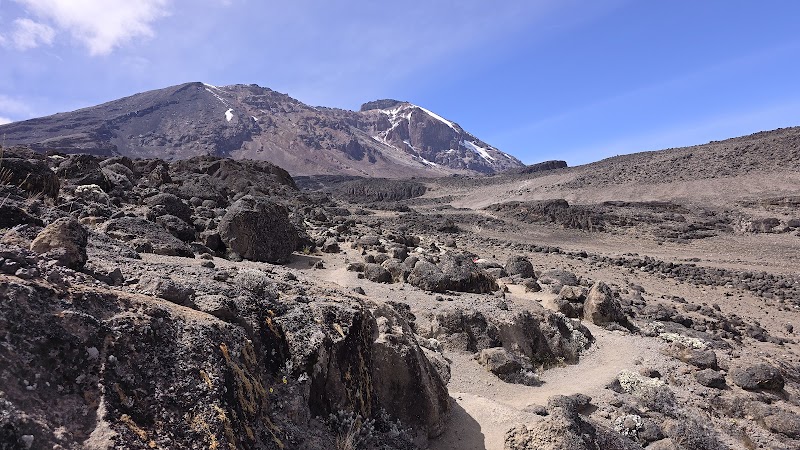
Expect rugged routes and swift weather changes on Kilimanjaro’s ascent, so your gear needs to be reliable and tailored to alpine conditions. The terrain varies dramatically—from forested lower slopes to rocky alpine desert—covering approximately 50 kilometers with an elevation gain of 4,895 meters (16,050 feet). If you're renting equipment, check for proper waterproofing on backpacks and rain gear, as rain clouds dare to appear unexpectedly even during dry seasons.
Use local shuttle services or taxis to navigate Moshi’s busy streets safely when moving between lodging and rental shops. Many outfitters offer delivery to your hotel, a convenience worth requesting to save energy for the climb itself. Pack hydration systems like Camelbaks and confirm their functionality during gear inspection; Kilimanjaro's air batters with thinness, challenging your hydration routine.
Footwear is a critical concern—try on boots in the same socks you plan to wear on the climb, and test for comfort while standing to judge correct fit. Take advantage of the knowledgeable staff who understand the mountain's demands to get recommendations on layering systems and accessories.
Timing your pickup between early morning and midday is optimal. By afternoon, tropical sun intensifies, and humidity builds, making waiting less comfortable. Finally, keep all receipts and identification during pick-up; rental agreements in Tanzania can be detailed and require careful attention.
Gear pick-up might feel like one more hurdle before Kilimanjaro’s summit, but a smooth, well-planned handoff sets the stage for a focused and successful hike. Treat this process with respect—it’s the first real interaction with the mountain’s fierce character.
Nearby Trips
All Adventures
Boat Charters
Water Activities
Adventures near Moshi
Discover the unique and memorable adventures that make Moshi special.
Frequently Asked Questions
Can I rent all my gear in Moshi, or should I bring some items from home?
Most essential gear can be rented in Moshi, including boots, backpacks, and sleeping bags. However, personal items like hiking socks, underlayers, and hydration packs are best brought from home to ensure comfort and hygiene.
Are there any peak times I should avoid when picking up gear?
Avoid afternoons and late afternoons as shops get busy with climbers or returning renters. Early morning is recommended to secure time for thorough gear checks.
What local transport options are safest and most reliable to get from Moshi to gear shops?
Local taxis and organized shuttle services recommended by your lodge are the safest choices, as they know the best routes and negotiate fair rates.
Is there a deposit required for rented gear, and how is it handled?
Yes, most shops require a deposit or hold on a credit card until gear is returned. Always keep receipts and agree on condition terms before leaving the shop.
How should I prepare for unexpected weather changes when picking up gear?
Bring a light rain jacket or poncho even to the gear pick-up point; Kilimanjaro’s weather can shift abruptly, and gear shops are often outside or semi-open.
Are boots and backpacks disinfected or cleaned after rental?
Reputable outfitters clean and inspect gear between rentals to protect against fungus and pests, but it’s smart to bring foot powder and liners for personal hygiene.
Recommended Gear
Waterproof Backpack
Keeps your equipment dry during sudden tropical showers and mountain mists.
Mountaineering Boots
Durable boots with ankle support are necessary for rocky and uneven terrain up to summit elevation.
Layered Clothing System
Multiple layers help manage temperature swings, especially at higher altitudes where cold bites sharply.
Hydration System (Camelbak or Bottles)
Hydration challenges increase with elevation; easy access hydration encourages regular water intake.
Local Insights
Hidden Gems
- "Engare Sero Cliffs—an off-route viewpoint near Kilimanjaro with panoramic views often missed by typical trekkers."
- "Materuni Waterfalls—lush and less frequented, offering serene pools and a swim opportunity before the climb."
Wildlife
- "Blue Monkeys inhabiting the montane forest climbsides."
- "Colobus Monkeys that dart between high canopy branches."
- "Bird species like the Jackson’s Francolin and spot-winged chat."
History
"Kilimanjaro has long been a cultural landmark for the Chagga people, whose ancient irrigation techniques are still evident in villages around Moshi. The mountain was first summited in 1889, with a rich history of exploration and natural study since."