
Discover how seasonal weather and lighting shape your adventures in Utah’s Canyonlands and Arches National Parks. This guide highlights practical strategies for timing, trail conditions, and safety to help you experience these iconic landscapes with confidence and respect.
Hydrate Strategically
Carry at least 3 liters of water for hikes over 5 miles, and refill only where designated points allow. Hydration is your best defense against Utah’s dry climate and fluctuating temperatures.
Start Early or Late
Avoid midday heat in summer and short daylight in winter by hiking early morning or late afternoon to maximize cooler temperatures and optimum lighting.
Layer Your Clothing
Temperatures swing widely—use moisture-wicking base layers combined with insulating and windproof outerwear adaptable to sudden weather shifts.
Wear Durable Footwear
Choose boots with solid grip suitable for varied terrain, from slickrock to gravel, ensuring stability on uneven surfaces and minimizing slip risks after rainfall.
Seasonal Flight Planning: Mastering Weather and Lighting in Utah’s Canyonlands and Arches
National Park Plane Tour
See Arches and Canyonlands National Parks
Take to the skies above Utah's legendary parks with a private plane tour that's as thrilling as it is scenic. Discover iconic landscapes from a new perspective with expert guides in this exclusive adventure.
Utah’s Canyonlands and Arches National Parks offer some of the most exhilarating landscapes for hikers and explorers, but their fierce natural character demands respect and careful timing. The interplay of weather and light here is more than a backdrop; it actively shapes your journey. Seasonal nuances influence trail conditions, safety concerns, and the quality of light that paints these red rock formations, making your adventure both strategic and sensory.
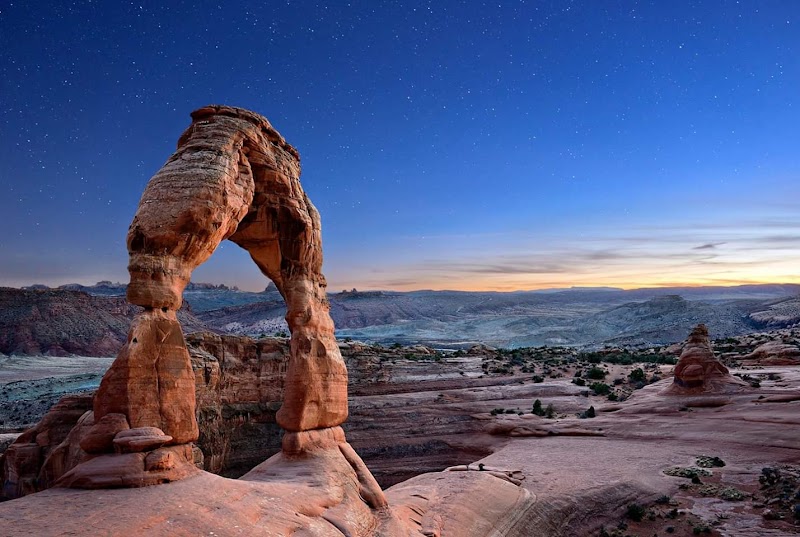
Spring and fall stand out as optimal windows for visiting. Temperatures remain moderate—usually in the 60s to low 80s (°F)—inviting longer hikes without the burden of heat exhaustion. Trails like the 3-mile Delicate Arch trail pull you through slickrock with a 480-foot elevation gain, the cliffs daring you upward while the open sky alternates between bursts of sunlight and teasing clouds. Early morning and late afternoon bring warm, golden lighting ideal for photography and clearer views, but be ready for sudden weather changes as high desert winds can shift swiftly.
Summer introduces harsher realities. Utah’s sun demands early starts before it pushes the mercury over 90°F. Shade is sparse along the 7.2-mile Island in the Sky perch, where the rugged terrain cracks and bakes under relentless heat. Hydration strategy here becomes critical: carry at least three liters of water, pace yourself, and wear breathable, UV-protective clothing. The air can feel like a furnace directed by the nearby sandstone walls—relentless but honest. Lightning storms sporadically darken the sky; avoid exposed ridges, and remember that the porous rock can become slick after rain.
Winter’s chill redefines the landscape. Trails may be dusted or glazed with ice, challenging even seasoned hikers with footing. Even though the crowds thin, preparation deepens in importance: layered gear, traction devices, and shortened itineraries help manage daylight’s brevity and sudden cold snaps. Yet, this season offers rare quiet, stunning clear views into the vast canyons below. Frost clings to twisted junipers and outlines arches, contrasting with deep shadows carved by low winter sun.
Lighting swings dramatically through the seasons, shifting shadow lines and saturating colors. The soft, low light of early spring mornings reveals subtle hues in the Entrada sandstone, while summer’s harsh midday sun flattens detail. Afternoon storms in monsoon season push horizons into dramatic silhouettes. Seasonally combining weather awareness with lighting anticipation turns your trek into an active dialogue with the land.
Pragmatic preparation enhances adventure: sturdy hiking boots with good traction handle varied terrain from slickrock to loose gravel. Time your hikes to avoid midday heat or icy conditions; carry plenty of water and sun protection. Map your route in advance, noting emergency exit points and water availability—or lack thereof.
Utah’s Canyonlands and Arches do not pause for convenience. They are landscapes fiercely themselves, offering challenges and stunning reward in equal measure. Seasonal flight planning—balancing weather and light—ensures you engage this adventure not as an intruder but as an informed participant, ready for the raw, vivid experience ahead.
Nearby Trips
All Adventures
Boat Charters
Water Activities
Adventures near Moab
Discover the unique and memorable adventures that make Moab special.
Frequently Asked Questions
When is the best time of day to start hikes in these parks?
Early morning or late afternoon is best to avoid heat in summer and catch the best light for views and photography. Midday sun can be intense and draining.
Are water sources available on the trails?
No reliable natural water sources exist along most trails; hikers must carry ample water from the trailhead, particularly during hot months.
How quickly can weather change in Canyonlands and Arches?
Weather can shift rapidly, especially during spring and summer monsoon seasons. Storms can appear suddenly, so always check forecasts and prepare for sudden rain or wind.
What wildlife might I encounter?
Common sightings include mule deer, desert bighorn sheep, various lizards, and birds like the canyon wren. Always observe from a distance and do not feed wildlife.
Are there lesser-known viewpoints worth visiting?
Yes, the Murphy Point overlook in Canyonlands offers expansive canyon views with fewer visitors, while the Fiery Furnace in Arches rewards those with permits for a maze of narrow rock corridors.
Do I need special permits for hiking in these parks?
Most popular hikes do not require permits, but accessing the Fiery Furnace in Arches requires a guided tour or a permit obtained in advance.
Recommended Gear
Hiking Boots with Good Traction
Provide stability on slickrock and loose gravel; necessary year-round for safety.
Hydration System (3+ Liters)
Maintains hydration in arid summer heat; less but still recommended in cooler seasons.
Layered Clothing
Adjustable for early chilly mornings and warmer afternoons, essential for temperature swings.
Traction Devices for Boots
Adds grip on icy patches, improving safety during winter hikes.
Local Insights
Hidden Gems
- "Murphy Point Overlook – quieter, dramatic canyon vistas"
- "Fiery Furnace – labyrinth of narrow sandstone passages"
Wildlife
- "desert bighorn sheep"
- "canyon wrens"
- "collared lizards"
History
"These lands carry deep heritage from Ancestral Puebloans, whose rock art and dwellings remain amid the area’s canyons. Later settlers used these routes for trade and mining."